
By Orthodontie Outaouais Team | Reviewed by Dr. Brent Côté, DMD, Dip Ortho, MSc | Updated July 2026
Key Takeaways
Understanding the factors that influence your smile can guide you toward better oral care. Here are the most essential points regarding teeth misalignment:
● Genetics often play a major role in determining how your teeth and jaw develop.
● Childhood habits like thumb-sucking can significantly impact permanent tooth positioning.
● Misalignment is not just an aesthetic concern; it can affect long-term oral health.
● Early diagnosis in children often prevents more severe dental issues later in life.
● Diverse treatment options, such as clear aligners, offer flexible solutions for all ages.
What Is Teeth Misalignment? (Malocclusion Explained)
When we talk about the structure of a smile, we often encounter the term malocclusion, which is the formal dental definition for a misaligned bite. Essentially, this refers to a situation where the upper and lower teeth do not fit together perfectly when you close your mouth. While everyone’s set of teeth is unique, significant deviations from the ideal arch can sometimes lead to functional problems that extend well beyond a simple cosmetic preference.
Many individuals live with some degree of malocclusion without realizing it because mild cases rarely cause significant distress. In fact, at our Aylmer Road practice, we regularly see adult patients who only booked a consultation after a dentist flagged a shifting bite during a routine cleaning. However, when the misalignment becomes more pronounced, it can interfere with how someone bites, chews, or even speaks. Over time, these structural differences can put extra stress on the jaw joints or make it harder to maintain clean teeth, increasing the risk of cavities and gum inflammation.
Although it might feel like a uniquely personal flaw, teeth misalignment is widespread among the global population. This is exactly what the field of orthodontics is designed to address – professional intervention that helps shift teeth into a more balanced position, improving both the reliability of your bite and the overall health of your mouth. Addressing these concerns can provide a foundation for long-term dental wellness and increased personal confidence.
What Causes Teeth Misalignment?
Genetic and Hereditary Factors
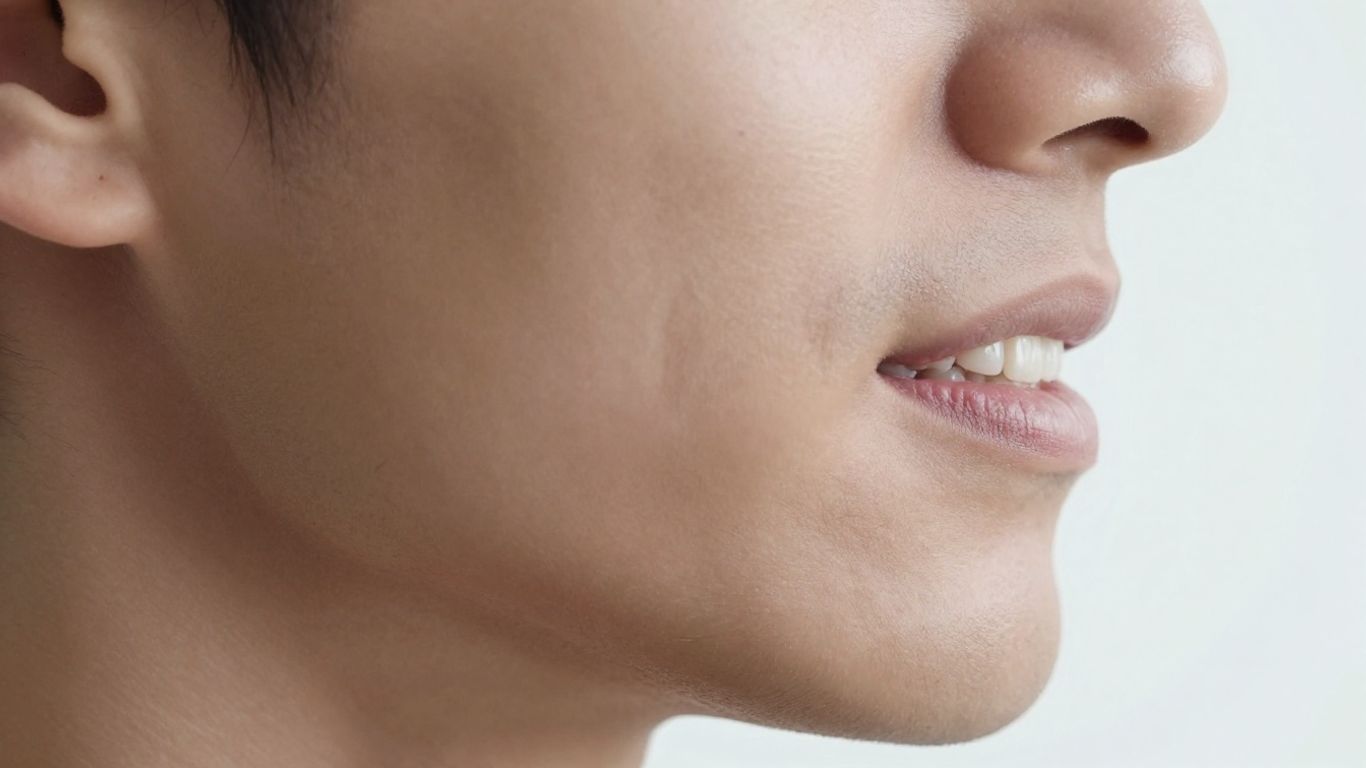
Most structural variations in the mouth are inherited from parents and grandparents. If your family history includes cases of crowded teeth or developmental issues with jaw structure, you are statistically more likely to experience similar patterns. These traits are passed down through DNA, determining the size of your teeth, the shape of your dental arches, and the relationship between your upper and lower jaws.
Childhood Habits Like Thumb-Sucking and Tongue Thrusting
Extended habits in early development can alter the physical growth of a child’s mouth. If a child continues thumb-sucking or persistent tongue thrusting past infancy, the ongoing pressure frequently pushes developing teeth into unnatural positions. Over the years, this constant force acts as an external influence that forces the jawbones and dental arches to adapt to those unnatural pressures, often resulting in an open bite or protruded front teeth.
Early or Late Loss of Baby Teeth
Baby teeth serve as placeholders for upcoming permanent teeth, maintaining the necessary gaps for proper alignment. When baby teeth are lost too early due to injury or decay, the surrounding teeth may drift into the vacant space.
● Lack of space slows down the arrival of permanent teeth.
● Adjacent teeth shift to fill the gap.
● Secondary crowding becomes more common.
● Eruption paths for new teeth get blocked.
This movement effectively crowds out the natural path for permanent teeth, leading to uneven spacing and crooked arrangements that often require orthodontic correction.
Jaw Growth and Tooth Size Discrepancies
Sometimes the inherent size of a person’s teeth does not correspond with the total available space in the jaw. Patients who inherit large teeth but a relatively small jaw will almost certainly experience a crowded mouth, as there is simply no room for all teeth to sit side-by-side. These genetic size and space mismatches create a crowded environment where teeth overlap and rotate, complicating daily hygiene routines and dental cleanings.
Common Types of Teeth Misalignment
Crowded and Crooked Teeth
Crowding is perhaps the most visible type of misalignment, occurring when there is a significant mismatch between the size of the jaw and the teeth. Because the teeth are forced to compete for space, they become crooked, overlap, or get squeezed out of the normal arch, making them difficult to brush and floss thoroughly.
Overbite, Underbite, and Crossbite
Bite issues relate to how the rows of teeth coordinate when the mouth is closed. These conditions are categorized by the relationship between the upper and lower dental arches, which can lead to various functional challenges.
Overbite
● Description: Upper teeth overlap the lower teeth significantly.
● Primary Concern: Enamel wear.
Underbite
● Description: Lower teeth sit in front of the upper teeth.
● Primary Concern: Chewing difficulty.
Crossbite
● Description: Teeth sit inside their opposing counterparts.
● Primary Concern: Jaw joint stress.
These variations indicate that the alignment is not just about the appearance of individual teeth but also about the structural relationship of the entire mouth. Addressing these specific types usually requires targeted orthodontic movement to ensure that the teeth contact each other correctly during everyday use.
How Misalignment Can Affect Your Oral Health and Daily Life
Living with a significantly misaligned jaw often introduces physical symptoms that can interfere with your daily comfort. When teeth cannot distribute the pressure of biting evenly, the muscles and joints responsible for opening and closing the mouth might become tense or overworked. This tension can lead to recurring headaches or soreness in the jaw, which occasionally happens even when the root cause seems completely hidden.
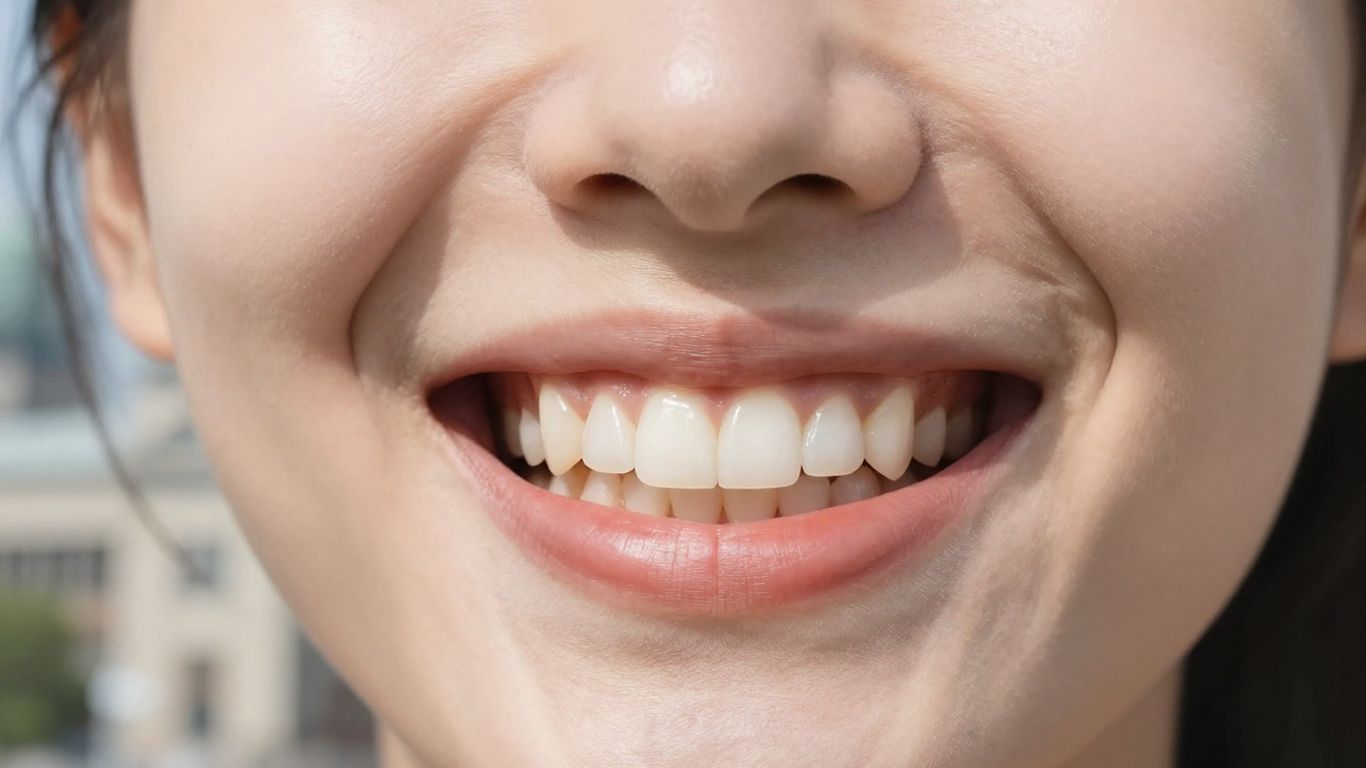
Beyond jaw discomfort, the way teeth fit together directly dictates the effectiveness of your hygiene routine. When teeth are skewed or densely crowded, reaching every surface with a toothbrush or floss becomes physically difficult if not impossible. Areas that remain consistently uncleaned can quickly develop into hotspots for plaque, increasing the likelihood of long-term dental decay and gum disease, which may require complex restorative care if left ignored for too long.
Lastly, the way a person presents their smile can influence their psychological comfort in social settings. Feelings of self-consciousness about the appearance of one’s teeth are not purely superficial; they affect how individuals interact with others. Enhancing the alignment is often not just about aesthetics, but about restoring the functional and emotional comfort that everyone deserves in their daily life.
How Orthodontists Diagnose Teeth Misalignment
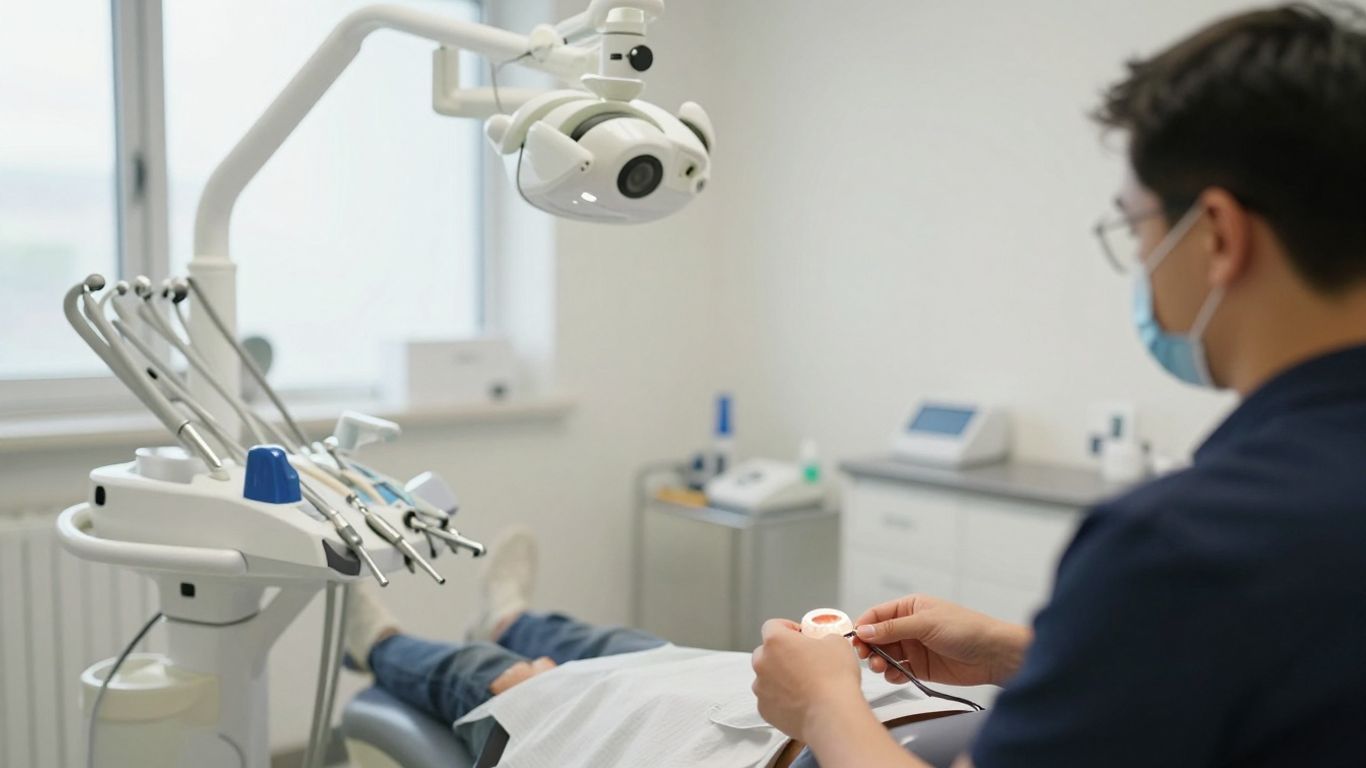
When you visit an orthodontist, the diagnostic process begins with a detailed visual examination followed by comprehensive imaging. Specialists look for signs of early wear or irregular tooth positioning while evaluating how your jaw moves through its entire range of motion. By listening to your concerns regarding your bite or your smile, the examiner captures a clearer picture of your goals and current oral structure.
Our clinic uses digital X-rays and 3D imaging to assess the underlying bone structure and tooth roots at a fraction of the radiation of traditional film X-rays. These high-resolution images are vital because they reveal things that the naked eye cannot, such as the orientation of impacted teeth or the skeletal relationship between the upper and lower jaws. From there, computer simulations allow us to map out how your bite will shift before treatment even begins. These technical insights ensure that any treatment plan is built on accurate physiological data rather than assumptions about the visible crown of the tooth.
Once the imaging is complete, the specialist constructs a personalized treatment plan designed to guide your teeth into a stable, healthy position. This roadmap outlines the stages of movement and the expected duration of care, ensuring you understand why certain methods might work better for your specific dental profile. By relying on precise measurements and imaging, orthodontists provide a safe, predictable path toward better oral function.
Treatment Options for Correcting Misalignment
Once your orthodontist confirms you’re a good candidate for treatment, there are several proven ways to correct teeth misalignment, ranging from traditional hardware to nearly invisible aligners.
Low-Friction and Hidden Braces
Traditional systems have evolved to become much more comfortable than older options from previous decades. Modern approaches like low-friction braces built for everyday comfort focus on minimizing pressure on the tooth roots while effectively guiding movement, which often results in a more efficient transition. For patients who prefer a more discreet option, hidden braces placed behind the teeth provide the same consistent, gentle force without being visible when you smile.
Invisalign Clear Aligners
Many patients now compare Invisalign and braces to determine which path suits their lifestyle best. Clear aligners offer a subtle aesthetic because they are virtually invisible, allowing patients to straighten their teeth without the visual commitment of metal brackets. These removable trays are swapped out periodically to gradually shift teeth into their final planned positions, providing a level of hygiene convenience that is difficult to replicate with fixed hardware.
Early Interceptive Treatment for Kids
Identifying potential bite issues during early childhood development allows for a more guided approach to shifting the jaw or teeth. By intervening while a child’s mouth is still growing, orthodontists can expand dental arches or guide eruption with much less force than is required for adults. This early interceptive strategy is designed to minimize the need for more complex surgical or restorative procedures in the teenage years, establishing a healthy, functional bite early on. Dr. Côté, who completed his specialty training in Orthodontics & Dentofacial Orthopedics at the University of Alberta, often notes that the families who catch crowding or a narrow palate at this stage tend to have simpler, shorter treatment down the road.
Finding the Right Orthodontic Treatment in Gatineau and Ottawa
Choosing a local orthodontist in Gatineau requires looking for someone who balances technical expertise with a compassionate, patient-first approach. Dr. Côté is the first and only Gatineau-based orthodontist recognized as a Premier Preferred Provider of Invisalign, reflecting a high volume of Invisalign cases treated locally each year. When you seek care, assess whether the clinic offers a broad range of diagnostic tools and explains the treatment stages clearly so you know exactly what to expect. You can also learn more about our orthodontist, Dr. Brent Côté, and his approach before booking. Finding a provider who takes the time to listen to your specific bite concerns ensures that the outcome helps both your health and your comfort.
It is also beneficial to verify the accessibility of the clinic and the ongoing support provided throughout your treatment cycle. Orthodontic care is an investment of time, requiring regular follow-ups to adjust hardware or monitor the tracking of aligners. A professional team that communicates clearly during every check-up reduces stress and keeps the focus on achieving a healthy, stable result that benefits your lifelong dental status.
Finally, don’t rush the decision-making process; prioritize a clinic that makes you feel heard and provides transparent options for your unique anatomy. Whether you are exploring simple adjustments or a more comprehensive bite correction, the correct local practitioner will prioritize your long-term success. A comfortable experience in the chair creates a strong foundation for a confident, healthy smile for years to come.
Conclusion
Correcting teeth misalignment is a transformative process that enhances your oral hygiene, alleviates jaw discomfort, and restores long-term dental function. By working with an experienced professional to identify the root causes and selecting a treatment that integrates into your daily life, you are choosing to prioritize your health. Whether you resolve your concerns through clear aligners or specialized brackets, the end result is a more resilient mouth and a smile you feel proud to share. Contact us today or call (819) 685-0808 to book your consultation in Gatineau.
Frequently Asked Questions
Is orthodontic treatment only for cosmetic reasons?
No, while orthodontics improves the look of a smile, the primary goal is improving functional integrity such as chewing, breathing, and protecting the teeth from enamel wear.
At what age should a child have their first orthodontic evaluation?
The American Association of Orthodontists recommends every child have an initial screening no later than age seven, since that’s when enough permanent teeth have erupted for an orthodontist to spot developing issues like a narrow palate or crossbite. Read our full breakdown of the best age for braces in kids to learn why early monitoring matters.
Does tooth loss always lead to misalignment?
Tooth loss often causes neighboring teeth to drift into the empty space, which can disrupt a previously straight smile and alter the healthy alignment of surrounding teeth.
Can adults still benefit from teeth straightening procedures?
Yes — roughly 1 in 4 orthodontic patients today are adults. Treatment is effective at any age as long as the gums and bone structure are healthy enough to support tooth movement. The main difference for adult patients is that treatment can sometimes take a bit longer since jaw growth has already finished.
How long does the average orthodontic treatment typically take?
Treatment duration varies based on the complexity of the case. Mild crowding corrected with Invisalign can take as little as 9-12 months, while more involved bite corrections with braces typically run 18-30 months. Dr. Côté reviews your specific timeline at your first consultation, once imaging and simulations are complete.
Will my teeth move back after orthodontic treatment is finished?
Teeth have a natural tendency to shift back toward their original positions, which is why understanding how long you should wear retainers after braces is essential to maintain your alignment.
Are there any dietary restrictions when wearing braces?
Hard, sticky, or chewy foods should be avoided, as these can damage brackets or wires and potentially delay the progress of your treatment plan.