

So, you’ve finally ditched the braces. Your teeth look fantastic, and you’re ready to show off that new smile. But wait, there’s one more step: retainers. It might feel like the orthodontic journey isn’t quite over. If you’re asking how long do you wear your retainers after braces, you’re not alone — it’s one of the most common questions we hear. And the answer isn’t a simple one-size-fits-all. Your orthodontist in Outaouais will guide you, but understanding the ‘why’ and ‘how long’ behind retainer wear is key to keeping your teeth perfectly in place.
Key Takeaways
• Retainers are essential after braces because teeth naturally want to shift back to their old positions; retainers hold them steady while surrounding tissues adjust.
• Initially, you’ll likely wear retainers full-time (about 20-22 hours a day) for the first 3-6 months after braces are removed.
• After the initial period, the wear schedule usually transitions to nighttime-only, and eventually, a few nights a week.
• While some patients may eventually wear retainers only a few nights a week, lifelong wear is often recommended to prevent teeth shifting and accommodate natural age-related changes.
• If your retainer feels tight or doesn’t fit properly, don’t force it; contact your orthodontist immediately, as this could indicate your teeth have already started to shift.
Why Retainers Are Non-Negotiable After Braces
So, you’ve finally ditched the braces. High five! Your teeth look fantastic, and you’re probably feeling pretty good about it. But hold on a sec, because there’s a crucial step that many people underestimate: wearing your retainer. Think of it like this: getting braces is like renovating your house. You’ve done all the hard work, moved walls, and put everything in its perfect place. Now, you need to let the new structure settle and make sure nothing shifts while it’s all drying and hardening. That’s exactly what retainers do for your teeth.
When we put braces on, we’re essentially breaking down the bone and loosening the ligaments around your teeth to move them. It’s a bit of a biological process, and it takes time for everything to firm up in the new positions. If you skip the retainer phase, your teeth will naturally try to drift back to where they were. It’s like leaving a newly painted wall without any support – it’s just going to smudge or sag.
Here’s the lowdown on why they’re so important:
• Preventing Relapse: This is the big one. Teeth have a sort of ‘memory,’ and without retainers, they’ll revert to their old spots. This means all that time, effort, and money spent on braces could go down the drain.
• Stabilizing Results: Retainers hold your teeth steady while the bone and tissues around them adjust and strengthen in their new alignment. It’s about locking in that beautiful smile you worked so hard for.
• Adapting to Changes: Our mouths are always changing, even as adults. Retainers help minimize these natural shifts, keeping your bite aligned and your smile looking its best for the long haul.
Skipping retainer wear is a common mistake, and it often leads to teeth shifting back, sometimes within days or weeks. This can mean needing more orthodontic work down the line, which nobody wants.
Essentially, retainers are the guardians of your newly straightened smile. They’re not just an optional add-on; they’re a non-negotiable part of finishing your orthodontic treatment and preserving your results. Wondering what makes an orthodontist different from a regular dentist? Learn more about what an orthodontist does and why specialist care matters.
How Long Do You Wear Retainers After Braces? The Short Answer
So, you’ve finally ditched the braces and are rocking that straight-smile look. Awesome! But now comes the big question that every patient asks: how long do you wear your retainers after braces — and does it ever actually end? The short answer is: for a while, and then probably for a bit longer.
Think of your teeth like they’ve just moved into a new neighbourhood. They’ve been pushed and pulled into their perfect spots, but the surrounding bone and tissues need time to settle in and make them feel at home. If you don’t give them that time, they’ll try to drift back to where they were.
Here’s the general timeline:
• First 3-6 Months: This is the most important phase. You’ll likely be wearing your retainers pretty much all the time – think 20-22 hours a day. You only take them out to eat, drink (anything other than water), and brush your teeth. It feels like a lot, but it’s super important for keeping those teeth exactly where they should be.
• After 6 Months (and beyond): Once your orthodontist gives you the green light, you’ll probably transition to wearing your retainers just at night. This is when your teeth have become more stable.
It’s not uncommon for people to think the retainer journey ends after a year or two. However, teeth can continue to shift subtly throughout life, and wearing retainers, even just at night, helps maintain your results and prevent those unwanted changes.
So, while there’s no single universal timeline, most patients wear retainers full-time for 3–6 months, then nightly for years — and often indefinitely.
Phase 1: Full-Time Retainer Wear (Months 1–6)
So, your braces are off! It’s exciting, right? But the journey isn’t quite over yet. For the first six months after your braces come off, you’ll be in what we call Phase 1 of retention. This means wearing your retainer pretty much all the time.
What “Full-Time” Actually Means Day to Day
When we say “full-time,” we really mean it. Think about 20 to 22 hours a day. You only take your retainer out to eat, drink anything other than plain water, and to brush and floss your teeth. That’s it. It might feel a bit strange at first, like you’re back to square one, but this constant wear is super important.
• Remove only for meals: Take it out right before you eat.
• Clean your teeth: Brush and floss thoroughly before putting it back in.
• Keep it safe: Store your retainer in its case when it’s out of your mouth.
• No snacking with it in: Don’t sip on pop or chew gum while wearing it.
Why This Phase Is the Most Critical
Your teeth have just been through a lot. They’ve been moved into their new, perfect spots, but the bone and tissues around them need time to catch up. They’re still a bit loose, and if you don’t give them support, they’ll start to drift back to where they were. This initial period is when your teeth are most likely to shift.
Wearing your retainer constantly during these first six months acts like a gentle, steady hand, holding everything in place while the foundation strengthens. It’s the best way to make sure all the hard work you and your orthodontist put in really pays off in the long run.
Skipping even a few hours here and there can make a difference. It’s like building a house – you need the foundation to set properly before you start adding the walls. This phase is all about letting that foundation solidify around your new smile.
Phase 2: Transitioning to Nighttime-Only Wear
Okay, so you’ve powered through the first six months of wearing your retainer pretty much all the time. Your teeth have had a good chance to settle into their new spots. Now, your orthodontist might give you the green light to ease up a bit. This is where Phase 2 kicks in, and it usually means switching to wearing your retainer just at night.
This shift is a big deal because it means your teeth are becoming more stable, and the risk of them moving back is getting lower. Curious about how long the full orthodontic journey takes? Our page on treatment duration gives you the full picture. It’s like your teeth are finally getting used to their new home.
So, what does nighttime wear actually look like? It means popping your retainer in before you hit the pillow every single night. Think of it as a nightly security guard for your smile. You’ll take it out in the morning when you wake up. This routine helps keep everything perfectly aligned while you sleep.
Why is this phase important? Well, even though you’re not wearing it 24/7 anymore, your teeth can still shift, especially if you’re stressed, clenching your jaw, or just going through natural changes. Wearing your retainer every night is the best way to counteract that subtle movement and make sure all the hard work you put into braces pays off in the long run.
It’s not uncommon for people to feel a little tightness when they first switch to nighttime wear, especially if they’ve been a bit lax. If your retainer feels snug, that’s a good sign it’s still doing its job. Just keep at it consistently, and that feeling should go away. If it feels really tight or you can’t get it in without forcing it, that’s a signal to call your orthodontist right away. It might mean your teeth have shifted more than expected, and you’ll need a new retainer or a check-up.
Remember, this phase is all about consistency. Even though it’s ‘only’ at night, don’t skip nights! Your teeth don’t take a break when you’re sleeping, so your retainer shouldn’t either.
Do You Have to Wear a Retainer Forever?
So, you’ve conquered braces and your smile is looking fantastic. Now comes the retainer, and you’re probably wondering if this is a lifelong commitment. The honest answer? For most people, yes, at least to some degree. Think of it this way: your teeth have spent years in a certain position, and after braces, they’ve been moved to a new spot. The surrounding bone and gums need time to adjust, and even then, teeth have a natural tendency to want to shift back over time. It’s like they have a memory!
So how long do you wear your retainers after braces, really? While the initial period requires full-time wear, and then nighttime wear for a good while, the long-term goal for most patients is to wear them periodically — often for life in some form. This could mean a few nights a week, or even just a few nights a month, depending on your specific situation and how stable your teeth are.
Here’s the thing: even as adults, our teeth can continue to shift. Age, changes in your bite, or even habits like grinding can influence tooth movement. Wearing a retainer, even just occasionally, is the best way to keep those hard-earned results in place and prevent the need for further orthodontic work down the road.
Skipping retainer wear, even for a short time, can sometimes be enough for teeth to start moving. If you notice your retainer feeling tight or difficult to put on, it’s a sign that some shifting has already occurred. Don’t wait too long to get it checked or replaced, as it could mean starting orthodontic treatment all over again.
Some people might get away with less frequent wear over time, especially if they have fixed retainers on the back of their teeth. But for removable retainers, consistent, even if reduced, wear is generally recommended for life to maintain that perfect smile you worked so hard for.
Retainer Wear by Age: Kids, Teens & Adults
Children & Teens
For younger folks, especially those who’ve just finished their braces or Invisalign treatment, the focus is usually on establishing a consistent routine. Think of it like learning to ride a bike – you need to practice regularly at first to get the hang of it and build confidence. For kids and teens, this means wearing their retainers full-time for the initial period, typically the first six months or so. If you’re still deciding when to start treatment, our guide on the best age for braces for kids can help you plan ahead. This is the most important phase to prevent teeth from moving back. After that, the orthodontist will likely switch them to nighttime wear. It’s really about making sure those new positions stick before they start easing up. Learn more about our orthodontic care for teens at Outaouais Orthodontics.
Adults
Adults often have a bit more flexibility, but the core principles remain the same. Your teeth have a natural tendency to shift throughout your life, not just after braces. So, while the initial full-time wear period might be similar to teens, the transition to nighttime wear can sometimes be longer or more varied. Some adults might find they can eventually reduce wear to just a few nights a week, while others may need to wear them every night indefinitely to maintain their smile. It really comes down to how stable your teeth are and what your orthodontist recommends based on your specific situation. Don’t underestimate the power of consistent, even if reduced, wear to keep your results looking great.
It’s common for adults to seek orthodontic treatment again because they stopped wearing their retainers years ago. Life gets busy, and it’s easy to forget, but the consequences can mean needing braces all over again. It’s a good reminder that retainers are a long-term commitment to your smile. If you’re wondering about the best approach for your smile, discussing your specific needs with your orthodontist is key. They can help you create a plan that fits your lifestyle and ensures your teeth stay put. Remember, your retainer is the final step in preserving your hard-earned results. Explore our orthodontic care options for adults in the Outaouais region.
Here’s a general guideline for retainer wear:
• Initial Phase (First 3-6 Months): Full-time wear (20-22 hours a day), only removing for eating, drinking, and cleaning.
• Transition Phase: Nighttime wear only. This can last for several months to a few years.
• Maintenance Phase: Occasional wear (e.g., a few nights a week) or continued nightly wear, depending on individual needs and orthodontist recommendations.
The goal is to give the bone and tissues around your teeth enough time to stabilize in their new positions. Skipping this step is like building a house and not letting the foundation set properly – eventually, things start to shift.
Types of Retainers and How Each Affects Your Wear Schedule
So, you’ve finished your braces journey, and now you’ve got a retainer. But not all retainers are created equal, and the type you have can actually change how you’re supposed to wear it. It’s not a one-size-fits-all situation, and understanding your specific retainer is key to keeping that smile straight.
There are generally two main categories: removable and fixed (or bonded) retainers. Each has its own set of rules and considerations.
Removable Retainers
These are the most common ones people think of. They’re usually made of clear plastic that fits snugly over your teeth, or they might be a ‘Hawley’ type with a wire across the front and a plastic piece that sits on the roof of your mouth or against the inside of your lower teeth.
• Clear Plastic Retainers: These are super popular because they’re practically invisible. Think of them like a very thin, custom-moulded mouthguard. Because they cover all the teeth, they offer great stability. Initially, you’ll be wearing these full-time, taking them out only to eat, drink (anything other than water), and brush your teeth. After a few months, your orthodontist will likely switch you to wearing them just at night.
• Hawley Retainers: These are the classic ones. The metal wire holds the front teeth in place, while the acrylic part keeps the back teeth stable. They’re a bit more noticeable than clear retainers, but they’re also quite durable. The wear schedule is usually similar to clear retainers: full-time at first, then transitioning to nighttime wear.
The biggest thing with removable retainers is consistency. Not sure if Invisalign was or is right for your case? Read our article on whether your case is too complex for Invisalign to learn more. If you forget to wear them, especially during that initial full-time phase, your teeth can start to shift pretty quickly. They’re designed to hold teeth in place, not to move them back if they’ve already drifted.
Fixed (Bonded) Retainers
These are a bit different. A thin wire is permanently bonded to the back of your front teeth, usually the lower ones, though sometimes the uppers too. You can’t take them out yourself.
• Constant Support: The main advantage here is that they’re always working. You don’t have to remember to put them in or take them out. This is often recommended for patients who had significant crowding or whose teeth are more prone to shifting.
• Maintenance is Key: While you don’t have to worry about wearing them, you do have to be extra diligent about cleaning. Food can get stuck around the wire, and if you don’t clean it properly, it can lead to cavities or gum issues. You’ll need to use special floss threaders or interdental brushes to get underneath and around the wire.
• Often Paired: Sometimes, people might have a fixed retainer on their lower teeth and a removable one for their upper teeth. This gives you the constant support where it’s most needed, with the flexibility of a removable retainer for the other arch.
The type of retainer you have isn’t just about aesthetics or convenience; it’s directly tied to how effectively it will keep your teeth in their new, hard-earned positions. Always follow your orthodontist’s specific instructions for your retainer type, as they know your teeth and treatment best.
Ultimately, whether it’s a clear tray you pop in at night or a wire you can’t even see, the goal is the same: to keep your smile looking its best for years to come. Just remember to keep them clean and wear them as directed!
Warning Signs Your Teeth Are Shifting (Don’t Ignore These)
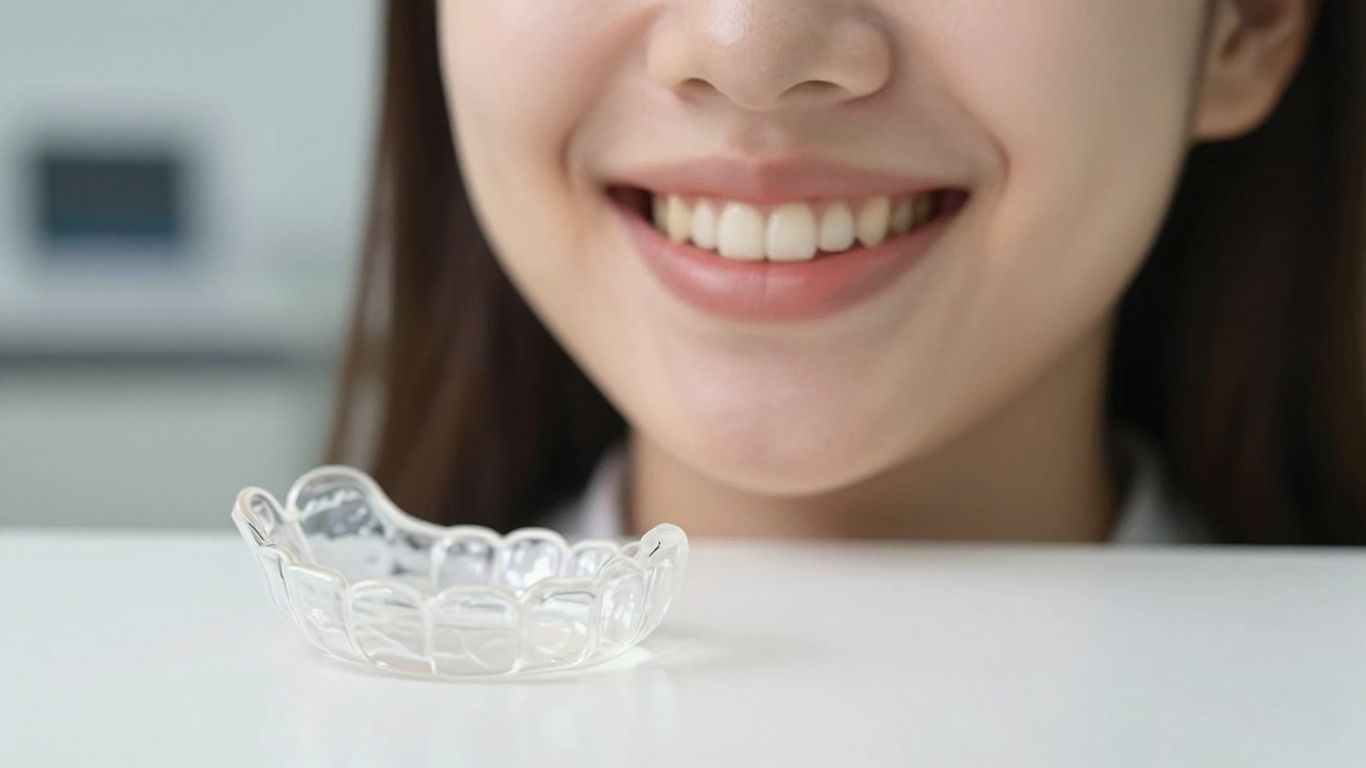
Even if you’re being super diligent with your retainer, sometimes teeth have a mind of their own. It’s like they remember where they used to be and try to sneak back. You might not even notice it at first, but there are a few tell-tale signs that your pearly whites are on the move.
One of the most obvious indicators is if your teeth start feeling a bit crowded again. Maybe that little gap you worked so hard to close has reappeared, or perhaps teeth that were once straight are starting to overlap. It’s also worth paying attention to how your bite feels. If your upper and lower teeth don’t line up quite right anymore, that’s a red flag.
Here are some common things to watch out for:
• New gaps appearing between teeth that were previously touching.
• Teeth feeling loose or wobbly when you touch them.
• Changes in your bite – how your teeth fit together when you close your mouth.
• Noticeable crowding or overlapping of teeth, especially in the front.
• Difficulty fitting your retainer – if it feels tight or painful to put in, that’s a big clue.
Teeth shifting isn’t always about forgetting your retainer. Natural aging, changes in your jawbone, and even habits like teeth grinding can contribute to teeth moving over time. It’s a normal part of life, but it means your retainer is still important for keeping your smile looking its best.
If you spot any of these changes, don’t just brush them off. It’s really important to get in touch with your orthodontist. Catching these shifts early makes it so much easier to fix them before they become a bigger problem. Think of it as a quick tune-up for your smile, rather than a major overhaul. Getting a professional opinion early is key. If you’re in the Outaouais area and noticing any of these signs, book a quick retainer check via +1 819-685-0808 with our team — catching small shifts early is always easier and less costly to fix.
How to Care for Your Retainer So It Lasts
So, you’ve got your retainer, and you’re ready to keep that smile looking sharp. That’s awesome! But just like your teeth need brushing and flossing, your retainer needs a little TLC too. If you don’t look after it, it won’t look after your teeth, plain and simple.
First off, make cleaning a daily habit. When you take your retainer out to eat or brush your teeth, give it a quick rinse. Then, grab a soft toothbrush – maybe an old one you don’t use for your mouth anymore – and some mild, unscented dish soap or a non-abrasive toothpaste. Gently brush all the surfaces. This gets rid of any food bits and that yucky film that can build up. Think of it like washing your dishes after a meal; you wouldn’t leave them dirty, right?
Here’s a quick rundown of what to do:
• Daily Brushing: Use a soft toothbrush and mild soap or toothpaste. Rinse thoroughly with lukewarm water.
• Weekly Soak: Once a week, soak your retainer in a special retainer cleaning solution. This helps get rid of any stubborn buildup and keeps it fresh.
• Proper Storage: Always keep your retainer in its case when you’re not wearing it. This protects it from damage and keeps it clean. Don’t just toss it in a pocket or on a napkin – you might lose it or it could get squashed!
Extreme heat is the enemy of most retainers. Avoid leaving them in a hot car, near a heater, or rinsing them with hot water. Warped plastic means a bad fit, and a bad fit means your teeth might start to shift again. That’s the last thing anyone wants after all that work with braces.
If you notice any cracks, chips, or if your retainer just doesn’t feel right anymore, it’s probably time for a replacement. Don’t wait around hoping it’ll get better. Your orthodontist can help you figure out if it’s time for a new one. Taking care of your retainer is a small step that makes a big difference in keeping your smile looking great for years to come. It’s a pretty small investment to maintain your smile in the grand scheme of things.
Ready to Protect Your Smile? Book a Retainer Check in Outaouais
So, you’ve done the hard yards, got the braces off, and now you’re rocking that perfectly straight smile. Awesome! But here’s the thing: your teeth have a mind of their own. They’ve been nudged and positioned, and they’ll naturally try to drift back if you let them. That’s where retainers come in, and honestly, they’re your smile’s best friend after treatment.
Think of your retainer not as a chore, but as the final, super important step in keeping that smile looking exactly how you want it. It’s like putting a protective shield on all the work you and your orthodontist put in. Skipping out on retainer wear is probably the most common reason people find their teeth shifting later on, and nobody wants that.
Your retainer is the key to making sure your orthodontic results stick around for the long haul.
If you’re in the Outaouais region and feeling a bit unsure about your retainer – maybe it feels a little loose, or you’re just not sure if you’re using it right – it’s a really good idea to get it checked out. Sometimes, teeth can shift subtly, and you might not even notice until it’s more obvious. Catching these small changes early with your orthodontist can save you a lot of hassle down the road.
Here’s why a check-up is a smart move:
• Fit Check: Your orthodontist can confirm if your retainer still fits perfectly. A loose retainer won’t do its job effectively.
• Wear Assessment: They can give you personalized advice on how often you should be wearing it, based on your specific situation and how long it’s been since your braces came off.
• Early Detection: Spotting any minor tooth movement before it becomes a bigger issue is way easier to fix.
• Care Tips: Get a refresher on the best ways to clean and care for your retainer so it lasts and stays hygienic.
Don’t let your amazing smile lose its sparkle. Booking a retainer check-up is a simple way to ensure your investment in a straight smile continues to pay off for years to come. Contact our team at Outaouais Orthodontics today to book your retainer check — your future smile will thank you.
So, About Those Retainers…
Alright, so we’ve talked a lot about retainers. It’s pretty clear that once your braces are off, the journey isn’t totally over. Your teeth have been through a lot, and they need a little help staying put. Most of the time, this means wearing your retainers consistently, especially at first. Think of it as a final, important step to keep that awesome smile you worked so hard for. While it might feel like a hassle sometimes, remember that skipping out on retainers can mean undoing all that progress, and nobody wants that. Chat with your orthodontist about what’s best for you, stick to the plan, and you’ll be enjoying your straight teeth for years to come. For more tips and guides like this one, browse our orthodontic blog. It’s really about protecting your investment in yourself.
Frequently Asked Questions
What happens if I forget to wear my retainer for a bit?
If you miss wearing your retainer for a night or two, it might feel a little tight when you put it back in. That’s normal! Just wear it as usual, and the tightness should go away. If it feels really difficult to put in, or if you’ve missed a lot of wear time, it’s best to call your orthodontist. Forcing a tight retainer can actually hurt your teeth. Remember, how long do you wear your retainers after braces matters less than consistency — even partial wear is far better than none.
Can I wear my retainer less often after a few years?
Yes, usually! After the initial period of full-time wear, and then nighttime wear for a while, many people can switch to wearing their retainers just a few nights a week. Your orthodontist will tell you when it’s okay to cut back. It’s all about keeping those teeth from moving back!
How do I know when my retainer needs replacing?
Your retainer should fit snugly. If it starts feeling loose, or if you notice any cracks or chips, it’s probably time for a new one. Also, if your teeth have shifted a lot and the retainer no longer fits properly, you’ll need a replacement. Don’t wait too long, because a poorly fitting retainer won’t do its job.
What if my retainer doesn’t fit anymore?
If your retainer feels way too tight or won’t go in easily, don’t force it! This usually means your teeth have moved. You should call your orthodontist right away to get a new retainer made. The sooner you get a replacement, the less likely your teeth are to shift significantly.
Can I clean my retainer with toothpaste?
It’s best not to use regular toothpaste on your retainer. Toothpaste can be a bit too rough and might scratch the plastic or acrylic. Instead, use a soft toothbrush with a little bit of mild dish soap or a special retainer cleaner. Rinse it well afterwards!
Why do my teeth want to move back after braces?
Think of your teeth like they have a memory! When you have braces, your orthodontist moves your teeth into a new, straight position. But the bones and tissues around your teeth need time to get used to this new spot. If you don’t wear a retainer, your teeth will naturally try to drift back to where they were before, kind of like a rubber band snapping back.