
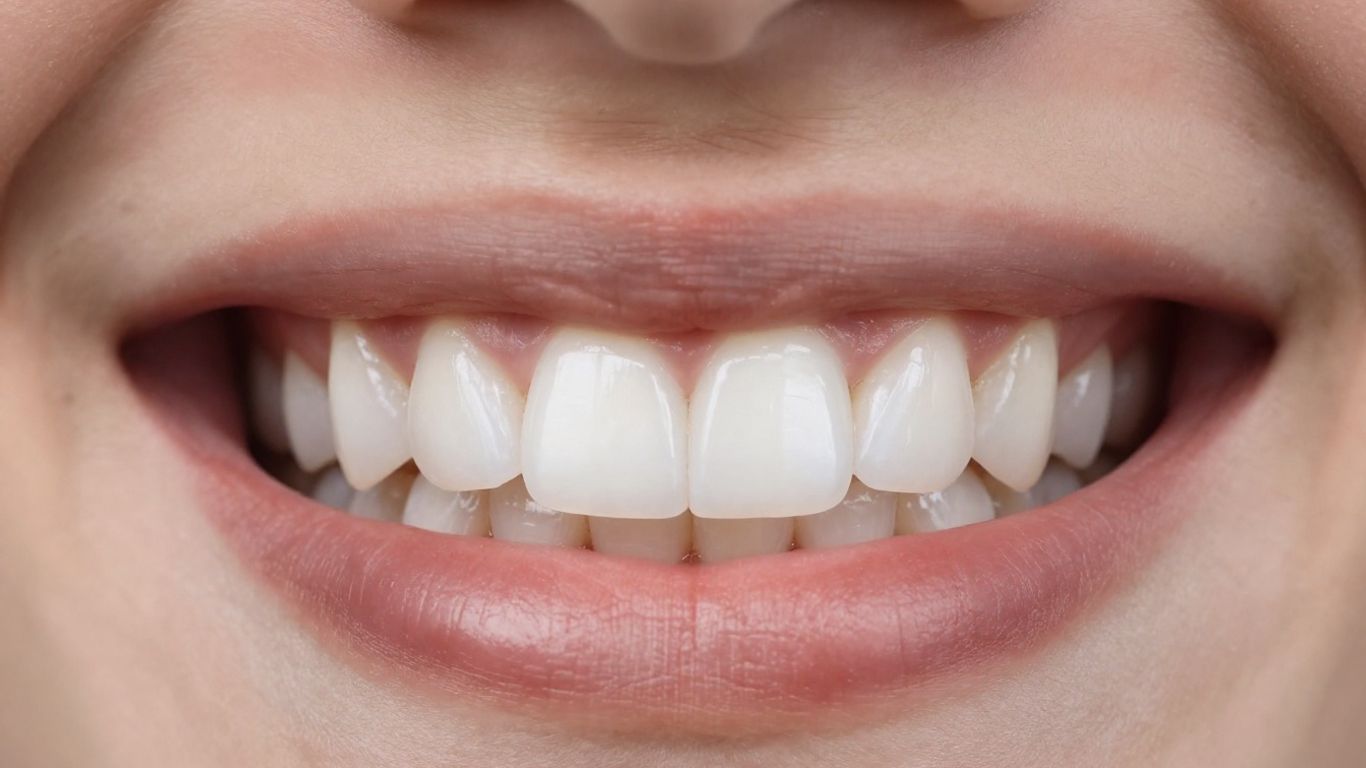
Thinking about a smile makeover? Dental veneers might be just the thing. These thin shells can cover up chips, stains, or gaps, giving you that brighter, more even smile you’ve been wanting. It’s like a little magic trick for your teeth, but it’s a real dental procedure. We’ll break down what they are all about, from the different kinds you can get to how much they cost and what actually happens when you get them.
Key Takeaways
– They are custom-made shells, usually porcelain or resin, that cover the front of your teeth to improve their look.
– They can fix issues like discoloration, chips, cracks, and small gaps, giving you a more uniform smile.
– Porcelain veneers are durable and stain-resistant, lasting 10-15 years or more, while composite veneers are more affordable but don’t last as long.
– The procedure involves preparing the teeth, taking impressions, and bonding them, often requiring a few dental visits.
– While they significantly boost confidence and appearance, they are a permanent change, and costs can vary widely per tooth.
What Are Dental Veneers?
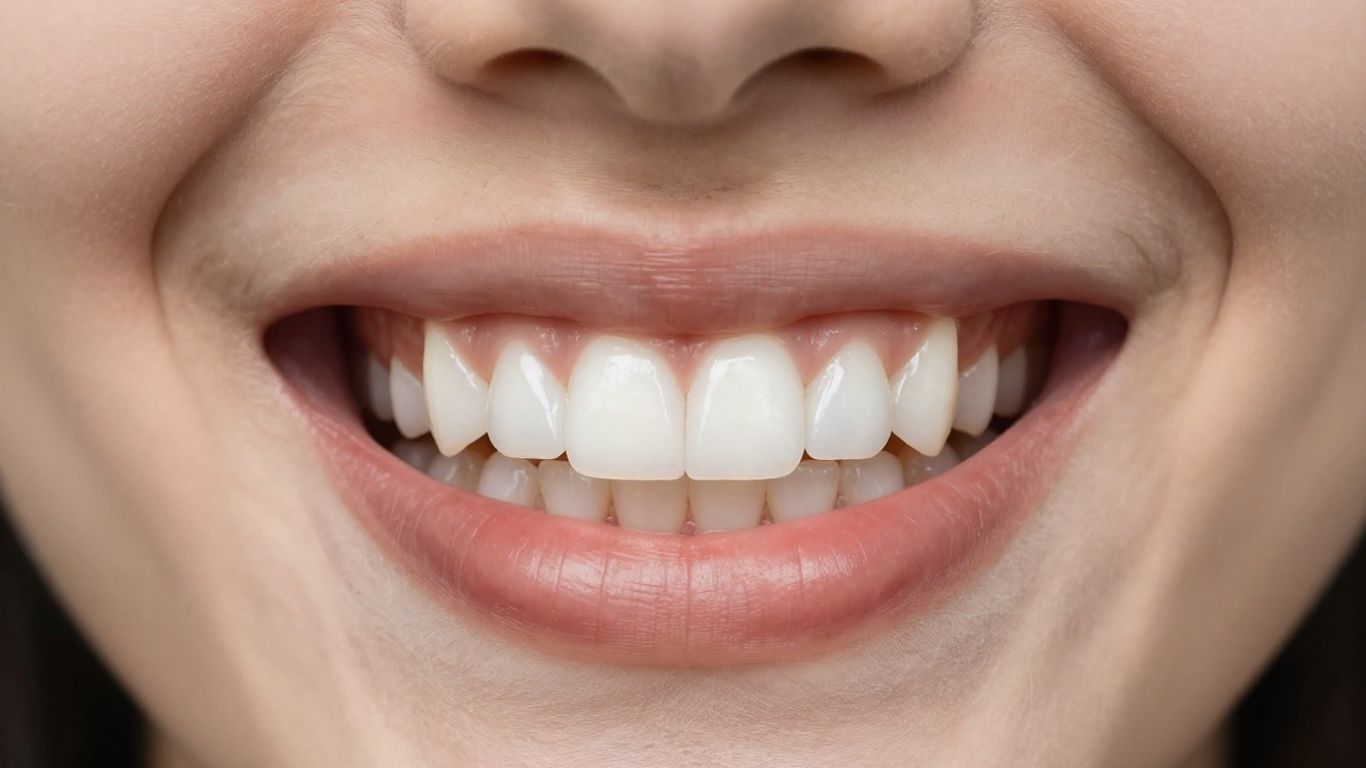
So, you’re thinking about getting dental veneers? Basically, they’re like super thin, custom-made shells that dentists stick onto the front of your teeth. Think of them as a really neat way to fix up your smile if you’ve got some issues you’re not happy with. They can cover up stains that regular whitening just can’t touch, hide chips or cracks, and even close up small gaps between your teeth.
They are essentially a cosmetic fix designed to make your teeth look better. They’re not really about fixing major structural problems, but more about giving your smile a serious aesthetic upgrade. They can change the color, shape, and size of your teeth, giving you that picture-perfect look you might be after.
Here’s a quick rundown of what they can help with:
– Discoloration: Stubborn stains that won’t budge with whitening treatments.
– Chips and Cracks: Covering up minor damage to make teeth look whole again.
– Gaps: Closing small spaces between teeth for a more uniform appearance.
– Shape Issues: Correcting teeth that are misshapen or uneven.
It’s important to know that getting them usually means your dentist will have to remove a tiny bit of enamel from your natural teeth to make sure the veneer sits right and looks natural. This is a permanent change, so it’s definitely something to think about carefully.
While they are a fantastic way to boost your confidence with a brighter, more even smile, they’re typically considered a cosmetic procedure. This means they focus on appearance rather than addressing underlying dental health problems. If you have cavities or gum disease, those need to be sorted out first before you even think about them.
Types of Dental Veneers
When you’re looking into dental veneers, you’ll find there are a couple of main players: porcelain and composite resin. Each has its own vibe and works best for different situations, so it’s good to know the differences.
Porcelain veneers are often the go-to for a reason; they really look like natural teeth. They’re super strong, resist stains like nobody’s business, and can last a good long while, often 15 years or more if you take care of them. Because they’re so durable and look so natural, they tend to be a bit pricier. They’re custom-made in a lab, which takes a little time, but the result is usually pretty stunning.
Then you’ve got composite veneers. These are made from a tooth-colored plastic material, and the cool thing is your dentist can often make and put them on right there in the office during one visit. This makes them a quicker and usually more budget-friendly option. They’re great for fixing smaller chips or gaps. However, they might not be quite as stain-resistant as porcelain and might need a touch-up or replacement sooner, maybe after 5 to 7 years.
Here’s a quick rundown:
A. Porcelain Veneers:
– Look very natural, like real teeth.
– Strong and resist stains well.
– Last a long time (15+ years).
– Made in a lab, takes more time.
– Generally more expensive.
B. Composite Veneers:
– Made from tooth-colored resin.
– Can often be done in one dental visit.
– More affordable upfront.
– May need more care and might not last as long (5-7 years).
There are also some other variations, like “no-prep” veneers, which are super thin and might not even need much tooth enamel removed, making them a more conservative choice. And then there are temporary, removable veneers, which are more for short-term cosmetic fixes.
Choosing the right type really depends on what you’re trying to fix, how long you want them to last, and what fits your budget. It’s not a one-size-fits-all deal, and talking it over with your dentist is the best way to figure out which material will give you the smile you’re after.
Benefits of Dental Veneers
So, you’re thinking about getting dental veneers? That’s great! These little shells can really do wonders for your smile. One of the biggest perks is how they can instantly transform your appearance. If you’ve got teeth that are stained, chipped, a bit crooked, or have small gaps, they are like a magic wand.
Here’s a quick rundown of what makes them so popular:
– Aesthetic Improvement: They cover up all sorts of imperfections. Think discolored teeth that whitening can’t fix, chips and cracks from an accident, or even just teeth that aren’t quite the same shape or size as you’d like. They give you that uniform, bright smile you’ve been dreaming of.
– Stain Resistance: Especially porcelain one, they’re tough cookies when it comes to stains. Coffee, red wine, or even smoking won’t easily dull their shine, meaning your smile stays bright for longer.
– Durability: When taken care of, they can last a good long while, often 10 to 20 years. They’re pretty strong and can handle everyday eating and talking without much fuss.
– Minimally Invasive: Compared to some other options, getting veneers usually means just a tiny bit of your natural tooth enamel is removed. This helps keep more of your original tooth structure intact.
– Boosted Confidence: Honestly, a smile you love can make a huge difference in how you feel. People often report feeling more self-assured in social and professional settings after getting them.
They really are a versatile option for anyone looking to improve their smile’s look and feel.
Veneers vs Crowns: What’s the Difference?
Okay, so you’re thinking about fixing up your smile, and you’ve heard about veneers and crowns. It’s easy to get them mixed up because they both can make your teeth look better, but they’re actually pretty different in what they do and how they’re used.
The main difference is how much of the tooth they cover.
Here’s a quick rundown:
Veneers: These are like thin shells that stick to the front surface of your teeth. They’re mostly for looks – think covering up stains, small chips, or closing tiny gaps. They don’t really add strength to the tooth itself.
Crowns: These are more like caps that cover the entire tooth. They’re used when a tooth is really damaged, has a big cavity, or after a root canal. Crowns are all about restoring the tooth’s strength and function, though they make it look good too.
So, if you’ve got a tooth that’s structurally sound but just doesn’t look great, veneers might be the way to go. But if your tooth is weak or broken, a crown is probably what you need. It’s always best to chat with your dentist about what’s right for your specific situation. They can help you figure out the best path to a healthier, happier smile, whether that involves dental crowns or veneers.
Dental Veneers Cost Factors
So, you’re thinking about getting it, huh? That’s awesome! They can really make a smile pop. But let’s talk about the elephant in the room: the cost. It’s not a one-size-fits-all price tag, and a bunch of things play into how much you’ll end up paying.
First off, the material you choose makes a big difference. You’ve got porcelain, which looks super natural and lasts ages, but it’s usually the pricier option. Then there’s composite resin, which is more budget-friendly and can often be fixed up if something happens. For a full set of porcelain veneers, you might be looking at anywhere from $5,400 to over $20,000, while composite could range from $1,500 to $12,000 for all your teeth. Pretty wide range, right?
Here’s a quick rundown of what else bumps the price up:
– Material Type: Like we said, porcelain costs more than composite.
– Number of Veneers: Getting just one or two is obviously cheaper than a whole mouth makeover.
– Dentist’s Location and Experience: Practices in big cities or areas with a high cost of living might charge more. Plus, a super experienced dentist with a great reputation might have higher fees.
– Complexity of the Procedure: If your teeth need a lot of work before the veneers can go on, like significant reshaping or other treatments, that adds to the bill.
It’s important to remember that most dental insurance plans don’t cover veneers because they’re considered cosmetic. So, you’ll likely be paying out-of-pocket. Many dental offices do offer payment plans, though, which can make things a lot more manageable.
When you go for your consultation, your dentist will break down all these factors for your specific situation. They’ll give you a personalized quote, so you know exactly what to expect financially. It’s a big decision, but knowing the cost factors upfront really helps in planning your smile transformation.
Dental Veneers Procedure Step by Step
Getting dental veneers is a process that usually takes a few appointments. It’s not like just walking in and getting them done all at once. The dentist needs to make sure everything is just right for your smile.
First off, you’ll have a consultation. This is where you and your dentist talk about what you want to achieve. They’ll look at your teeth, check your gum health, and figure out if they are a good fit for you. They might take X-rays and impressions too. This is also when you’ll discuss the type of veneer material you prefer, like porcelain or composite, and pick the shade that matches your other teeth. This initial chat is super important for setting expectations and planning the whole thing.
Next comes the preparation stage. If you’re getting traditional veneers, the dentist will carefully shave off a thin layer of enamel from the front of your teeth. This makes space for the them so they don’t look too bulky. It’s a permanent step, so it’s good to be sure. After this, they’ll take more detailed impressions or scans of your prepared teeth. These are sent to a lab where your custom veneers will be made. In the meantime, you might get temporary veneers to wear.
Once the lab has finished crafting your veneers, you’ll come back for the final fitting. The dentist will check the fit, color, and shape of the veneers. They’ll clean your teeth thoroughly, and then, using a special dental cement, they’ll bond the it to your teeth. A special light is often used to cure the cement, making it harden quickly. Finally, they’ll check your bite to make sure everything feels comfortable and looks natural. You’ll get instructions on how to care for your new smile.
Here’s a quick rundown of the typical steps:
– Consultation and Planning: Discuss goals, assess suitability, choose shade and material.
– Tooth Preparation: Minor enamel removal (for traditional veneers) and impressions.
– Veneer Fabrication: Custom veneers are made in a dental lab.
– Bonding and Placement: Veneers are permanently attached to the teeth.
– Final Check: Bite adjustment and post-procedure instructions.
Remember to follow your dentist’s aftercare instructions closely to keep your veneers looking great for years to come. This includes regular brushing and flossing, and avoiding habits that could damage them, like biting hard objects.
How Long Do Dental Veneers Last?
So, you’re thinking about getting them and wondering how long they’ll stick around, right? It’s a totally fair question. Most dental veneers are designed to be a long-term fix for your smile.
When we talk about how long they last, it really depends on a couple of things, mainly the type of veneer and how well you take care of them. Think of it like buying a nice piece of furniture – if you treat it well, it’ll last ages. If you’re rough with it, well, you get the picture.
Here’s a general idea:
Porcelain Veneers: These are the tough guys. With good care, they can easily last anywhere from 10 to 15 years. Some people even report them holding up for 20 years! They’re pretty resistant to staining and chipping if you’re not doing anything too crazy.
Composite Veneers: These are a bit more budget-friendly upfront, but they usually don’t last quite as long. You’re typically looking at about 5 to 7 years before they might need replacing or some touch-ups.
Taking care of your veneers is really the biggest factor in their lifespan. It’s not just about brushing and flossing, though that’s super important. It’s also about being mindful of what you’re doing with your mouth.
What does ‘good care’ actually mean? Well, it’s pretty straightforward:
– Keep up with your oral hygiene: Brush twice a day with a soft brush and non-abrasive toothpaste. Don’t forget to floss daily to get rid of any gunk between your teeth and around it.
– Watch what you chew: Try to avoid biting down on really hard things like ice, hard candies, or super sticky stuff like caramel. Also, don’t use your teeth as tools to open packages or bite your nails – that’s a recipe for disaster.
– Protect them if you grind your teeth: If you’re a teeth-grinder (bruxism), especially at night, talk to your dentist about getting a custom mouthguard. This can save your veneers from unnecessary stress.
– See your dentist regularly: Those check-ups aren’t just for your natural teeth. Your dentist will check on your veneers, make sure everything looks good, and can catch any tiny issues before they become big problems. Professional cleanings are also a good idea.
So, while they are a significant investment, they can last a really long time if you commit to looking after them. It’s all about being a little bit careful and consistent with your routine.
So, Are Veneers Right for You?
Alright, so we’ve talked a lot about dental veneers – the different kinds, what they can do for your smile, how much they might cost, and what the whole process is like. They really can be a game-changer for fixing up teeth that are stained, chipped, or just not looking their best. Whether you’re leaning towards the super durable porcelain ones or a quicker composite option, it’s clear they offer a way to get that smile you’ve been wanting. But remember, it’s not a small decision. It involves a chat with your dentist to make sure it’s the right move for your teeth and your wallet. Taking care of them afterward is key too, so you can enjoy that brighter smile for years to come.
Frequently Asked Questions
What exactly are dental veneers?
Dental veneers are like thin, custom-made shells that dentists place over the front of your teeth. Think of them as little masks for your teeth that can hide things like stains, chips, cracks, or even small gaps, making your smile look brighter and more even.
Are veneers permanent?
For the most part, yes. To put it on, a tiny bit of your natural tooth enamel is usually removed. This is permanent, so once you have it, you’ll need to keep them or get replacements. Some very thin types might not need enamel removal, making them reversible.
How long do veneers usually last?
It depends on the type you get and how well you take care of them. Porcelain veneers can last a really long time, often 10 to 15 years or even more. Composite veneers might not last quite as long, usually around 5 to 7 years.
Do veneers hurt?
Most people don’t feel pain during the veneer procedure. Your dentist will likely numb your teeth before doing any work. You might feel a little sensitive afterward, especially to hot or cold things, but this usually goes away quickly.
Can veneers get stained?
Porcelain veneers are very good at resisting stains, so they tend to stay white even if you drink coffee or tea. Composite veneers can stain more easily over time, so you’ll want to be a bit more careful with staining foods and drinks.
What’s the difference between veneers and crowns?
Think of it as a thin ‘faceplate’ for the front of your tooth, mainly for looks. Crowns are like a full ‘cap’ that covers the entire tooth, used when a tooth is badly damaged or weak. They are less invasive than crowns.