
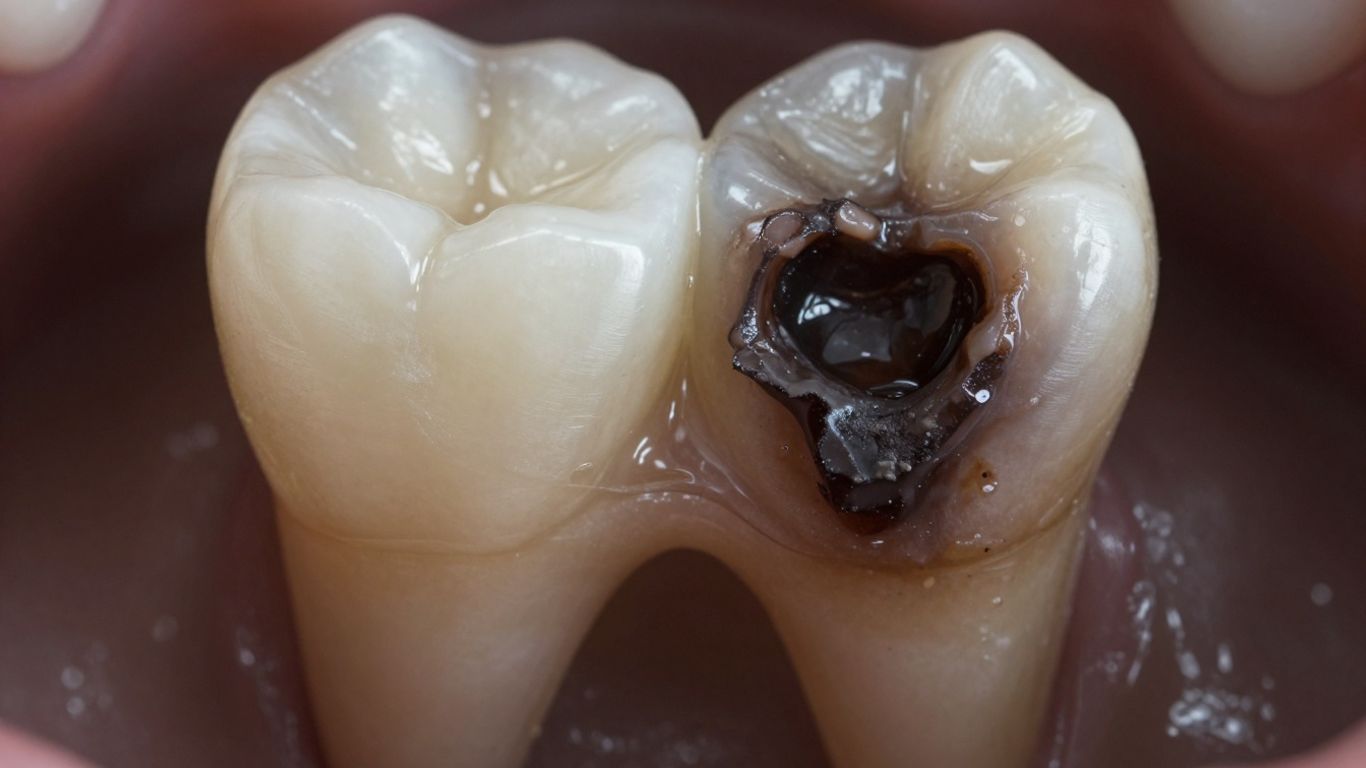
You’ve probably heard the terms ‘cavity’ and ‘tooth decay’ thrown around, maybe even used them yourself when talking about a trip to the dentist. It’s easy to think they mean the same thing, and honestly, they’re super related. But if you’re wondering what the actual difference is between cavities in teeth and tooth decay, you’ve come to the right place. Let’s break it down so you know exactly what’s happening in your mouth.
Key Takeaways
1. Tooth decay is the actual disease process where bacteria damage your tooth’s enamel and deeper layers.
2. A cavity is the physical hole or opening that forms in your tooth as a result of tooth decay.
3. Both decay and cavities are caused by acids produced by bacteria in your mouth, often from sugars and starches, especially if you don’t clean your teeth well.
4. Early tooth decay might be reversible with fluoride and good hygiene, but once a cavity forms, it needs dental treatment like a filling.
4. Preventing cavities is all about good daily brushing and flossing, limiting sugary snacks and drinks, and seeing your dentist regularly.
Understanding Cavities and Tooth Decay
What Are Cavities in Teeth?
When we talk about cavities, we’re really talking about the end result of a process. Think of a cavity as a tiny hole or a damaged spot that forms on the hard surface of your tooth. It happens when the protective outer layer, called enamel, gets broken down. These aren’t just cosmetic issues; if left untreated, cavities can lead to some serious problems like toothaches, infections, and even tooth loss. They’re super common, especially for kids and teens, but honestly, anyone with teeth can get one. It’s basically a sign that something has gone wrong with your tooth’s defenses.
What Is Tooth Decay?
Tooth decay, also known as dental caries, is the actual disease process that leads to cavities. It’s a gradual breakdown of your tooth structure. It all starts with plaque, that sticky film that constantly forms on your teeth. The bacteria living in plaque feed on sugars and starches from the food you eat. As they munch away, they produce acids. These acids are the main culprits that attack and weaken your tooth enamel. If this plaque and acid hang around for too long without being cleaned off, they start to erode the minerals in your enamel. This demineralization is the first step. If it continues, the enamel gets damaged, and eventually, a hole – a cavity – can form. So, tooth decay is the disease, and a cavity is the damage you can see or feel.
Causes of Cavities in Teeth and Tooth Decay
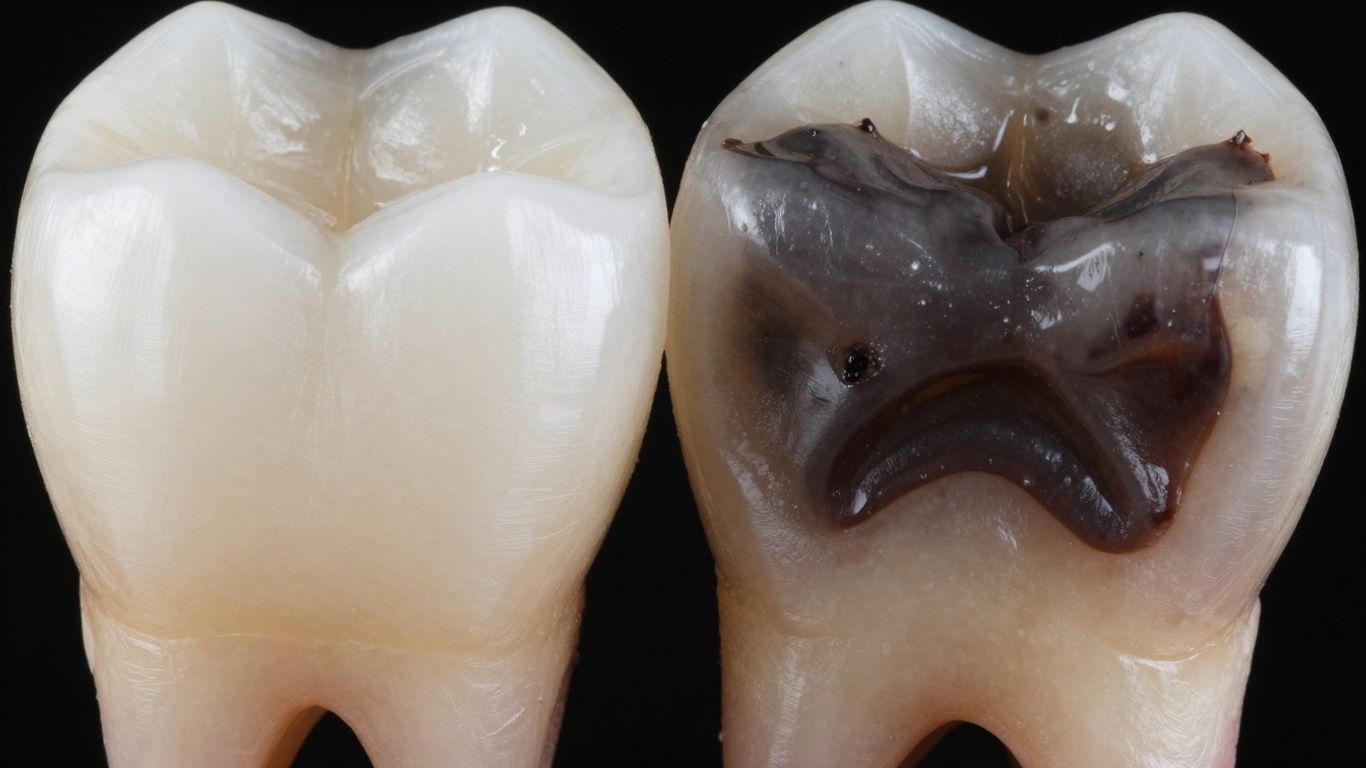
So, what actually causes these pesky cavities in teeth and tooth decay? It’s not just one thing, but a combination of factors that can lead to trouble for your teeth.
At its core, tooth decay is a disease that happens when the hard outer layer of your tooth, called enamel, gets damaged. This damage is usually caused by acids produced by bacteria living in your mouth. These bacteria feed on sugars and starches left behind from the food and drinks we consume. If you’re not cleaning your teeth regularly, this plaque – that sticky film of bacteria – builds up. When plaque isn’t removed, it hardens into tartar, which makes it even harder to clean and gives bacteria a cozy place to hang out and produce more acid.
Here’s a breakdown of what contributes:
1. Sugary and Starchy Foods/Drinks: Think cookies, candy, soda, dried fruit, and even things like chips and cereal. These foods stick around on your teeth, giving bacteria a feast. Sipping on sugary drinks throughout the day is particularly bad because it creates a constant acid bath for your teeth.
2. Poor Oral Hygiene: Not brushing and flossing regularly means plaque has plenty of time to do its damage. It’s especially important to clean your teeth after eating.
3. Dry Mouth: Saliva is your mouth’s natural defense. It washes away food particles and neutralizes acids. If you don’t produce enough saliva, your teeth are more vulnerable. This can be caused by certain medications, medical conditions, or treatments like radiation therapy.
4. Location of Teeth: Your back teeth, like molars and premolars, have more nooks and crannies, making them harder to clean thoroughly. This is why they’re often more prone to decay.
5. Age: Cavities are common in very young children and teenagers. Older adults can also be at higher risk as their gums recede and teeth wear down over time. Plus, older adults might be on medications that reduce saliva flow.
6. Existing Dental Work: Old fillings can wear down or develop rough edges, making it easier for plaque to accumulate. Similarly, dental devices that no longer fit well can create hiding spots for decay.
7. Acid Reflux/Eating Disorders: Conditions like GERD can cause stomach acid to come up into your mouth, eroding enamel. Eating disorders involving purging can also expose teeth to strong stomach acids, leading to significant damage and increasing the risk of cavities in teeth. If you’re experiencing frequent heartburn, it might be worth discussing with your dentist and doctor to see if acid reflux is contributing to enamel loss.
Basically, it’s a cycle: food + bacteria + time + poor cleaning = acid attack on your teeth. Over time, this acid attack weakens the enamel, leading to tiny holes, which then become cavities.
Common Signs and Symptoms to Watch For
Sometimes, you might not even realize you have a cavity forming. That’s why regular dental visits are so important, even if your mouth feels perfectly fine. But if you start noticing some changes, it’s definitely time to call your dentist.
What should you look out for? Well, it can vary a bit depending on how big the cavity is and where it’s hiding. Early on, you might not feel a thing. But as the decay progresses, things can start to show up.
Here are some common things people experience:
1. Toothaches and general pain: This can range from a dull ache to a sharp, sudden pain. It might happen when you bite down or just be a constant annoyance.
2. Sensitivity: You might notice your teeth reacting more than usual to hot, cold, or even sweet things. That sudden twinge when you sip your iced coffee or bite into a piece of fruit? That could be a sign. Tooth sensitivity is a big one.
3. Visible holes or pits: Sometimes, you can actually see the damage. Look for tiny openings or rough spots on your teeth.
4. Discoloration: You might see brown, black, or even white spots on the surface of a tooth. It’s easy to confuse these with stains, but if it’s just on one tooth and looks darker, it’s worth getting checked.
It’s important to remember that not all tooth discoloration means you have a cavity. However, if you notice any of these symptoms, especially pain or sensitivity, it’s best not to wait. Early detection really makes a difference in how easily a cavity can be treated.
If a cavity is left untreated, it can get bigger and cause more serious problems down the line, like infections or even tooth loss. So, if you suspect something isn’t right, don’t hesitate to reach out to your dentist. They can figure out what’s going on and get you the right treatment.
Treatment Options for Cavities and Tooth Decay
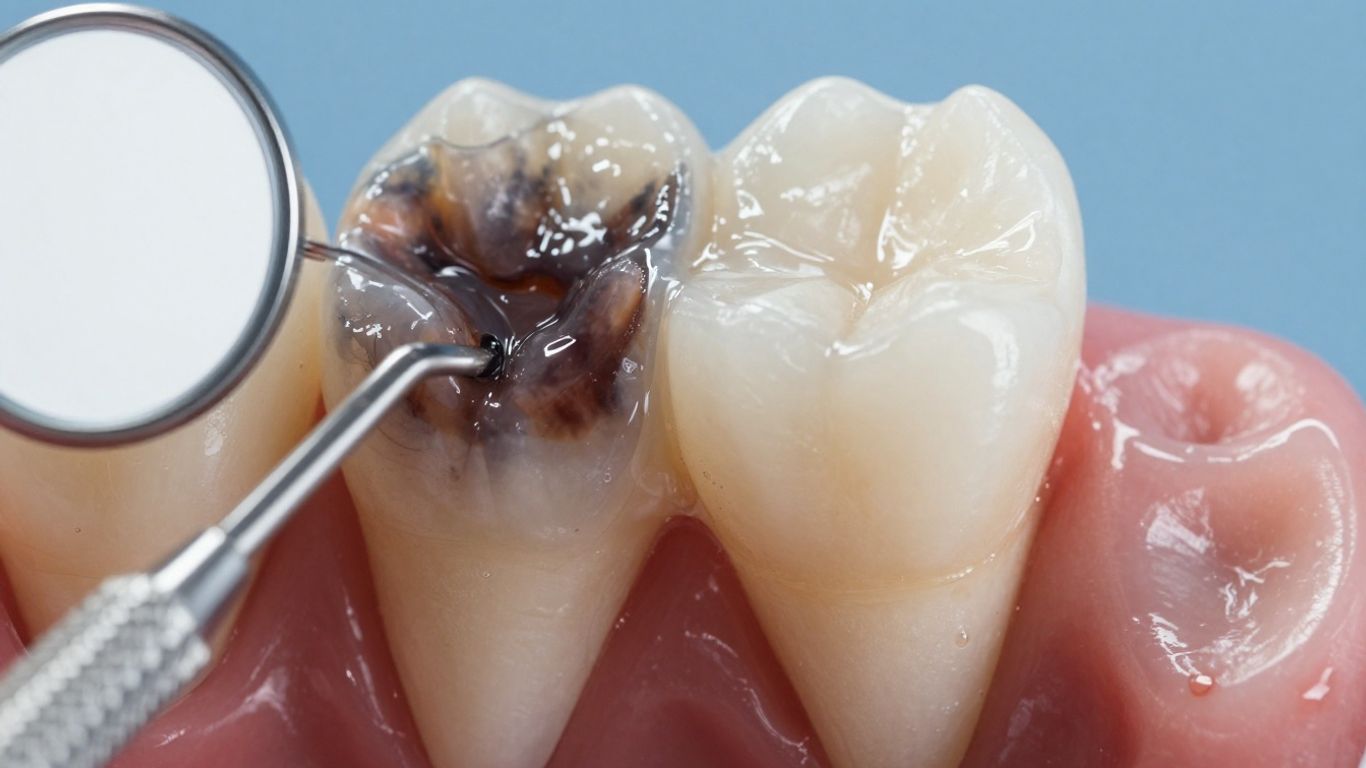
So, you’ve found out you’ve got a cavity or some tooth decay. Don’t panic! There are definitely ways to deal with it. The approach really depends on how far the decay has gone.
For early stages of decay, where the enamel is just starting to weaken but hasn’t formed a hole yet, dentists have a few tricks up their sleeve. They might apply a fluoride treatment. This can be a gel, varnish, or even a special prescription rinse. Fluoride helps to remineralize the tooth, essentially helping it repair itself before a cavity even forms. Sometimes, they might also use antiseptic or disinfecting treatments to cut down on the bacteria that cause decay. Think of it as giving your teeth a fighting chance to heal.
When a cavity has actually formed – meaning there’s a hole in the tooth – the focus shifts from prevention to restoration. This is because once that hole is there, the tooth can’t fix itself anymore. The most common treatment is a filling. Your dentist will clean out the decayed part of the tooth and then fill the hole with a material. This is often a tooth-colored composite resin that blends in pretty well. For larger cavities in teeth, or if the decay has reached deeper into the tooth, you might need a crown, which is like a cap that covers the entire tooth. In more severe cases, where the decay has affected the nerve, a root canal might be necessary.
Here’s a quick rundown of what to expect:
A. Early Decay (Demineralization):
– Fluoride treatments (varnish, gel, rinses)
– Antiseptic rinses to reduce bacteria
– Sealants to create a barrier
B. Cavities (Irreversible Hole):
– Fillings (composite resin, amalgam)
– Crowns (for larger decay or weakened teeth)
– Root canals (if the pulp is infected)
– Tooth extraction (in severe, untreatable cases)
It’s also worth noting that sometimes, especially for kids, early orthodontic interventions can help prevent future problems. Addressing jaw alignment or severe crowding early on can make cleaning easier and reduce the risk of decay in hard-to-reach spots. You can find out more about interceptive orthodontic treatments.
How to Prevent Cavities in Teeth and Tooth Decay
Okay, so we’ve talked about what cavities and tooth decay are, and how they can sneak up on you. The good news? You can totally fight back and keep them from happening in the first place. It really comes down to a few key habits.
First off, brushing is your best friend. You should be brushing at least twice a day, and if you can swing it, after every meal. Make sure you’re using a toothpaste with fluoride – that stuff is like a superhero for your teeth. And don’t forget to clean between your teeth! Flossing or using those little interdental brushes gets the gunk out where your toothbrush can’t reach. It might seem like a hassle, but it makes a huge difference.
Here’s a quick rundown of what to focus on:
– Brush twice daily with fluoride toothpaste. This is non-negotiable.
– Floss or use an interdental cleaner once a day. Get into those tight spots.
– Visit your dentist regularly. Aim for check-ups every 4-6 months. They can spot problems early and give your teeth a professional cleaning.
– Consider dental sealants. These are like little shields for your back teeth, especially good for kids, but adults can benefit too. They seal up the grooves where food loves to hide.
– Drink tap water. Most public water has fluoride, which is great for your teeth. If you’re always drinking bottled water without fluoride, you’re missing out.
What you eat and drink matters a lot, too. Try to limit snacking and sipping on sugary drinks throughout the day. Every time you eat or drink something other than water, you’re giving those cavity-causing bacteria a little party. If you do snack, try to stick to healthier options like fruits and veggies, and maybe rinse your mouth with water afterward. Some people even find that chewing sugarless gum after meals helps stimulate saliva, which is your mouth’s natural way of cleaning itself.
Keeping your mouth healthy isn’t just about avoiding pain or expensive dental work. It’s about maintaining your overall well-being. Your mouth is connected to the rest of your body, and good oral health can have positive effects far beyond just your smile. Think of it as an investment in yourself.
And hey, if you’re thinking about straightening your teeth or improving your bite, talking to a dentist about options like clear aligners could be a good step. It’s all part of taking good care of your whole mouth, which includes making sure your teeth are properly aligned for better oral health.
Basically, consistency is key. Stick with these habits, and you’ll be well on your way to keeping those pesky cavities in teeth and decay at bay.
Conclusion
So, to sum it all up, tooth decay is the actual disease process that happens when your teeth get attacked by acids and bacteria. A cavity? That’s the hole or damage left behind after the decay has done its thing. Think of decay as the problem and the cavity as the result. The good news is, keeping up with brushing, flossing, and seeing your dentist regularly can really help keep both of these issues at bay. It’s way easier to prevent them than to deal with the fixes later on, so make those good habits stick!
Frequently Asked Questions
Is tooth decay the same thing as a cavity?
Not exactly, but they are closely related! Think of tooth decay as the disease and a cavity as the hole that disease creates. Tooth decay is when harmful bacteria in your mouth create acids that eat away at your tooth’s protective outer layer, called enamel. If this decay isn’t stopped, it can create a hole, which is what we call a cavity.
What does a cavity look like?
In the beginning, a cavity might look like a tiny white spot on your tooth. As it gets worse, it can turn into a brown or even black spot. Sometimes, you might feel a small pit or hole in your tooth. If you notice any changes in your tooth’s color or texture, it’s a good idea to see your dentist.
Can a cavity heal on its own?
If a cavity is caught very, very early, before it creates a real hole, your tooth might be able to repair itself, especially with fluoride treatments and better brushing. However, once a hole has formed, it’s permanent and needs a dentist to fix it, usually with a filling.
What happens if I don’t treat a cavity?
If you leave a cavity untreated, the decay will keep going deeper into your tooth. This can cause a lot of pain, lead to infections like an abscess, and eventually, you could even lose the tooth. It’s important to get cavities fixed as soon as possible to avoid these bigger problems.
What are the main causes of cavities and tooth decay?
The main culprits are bacteria in your mouth that feed on sugars and starches from the food you eat. These bacteria produce acids that attack your teeth. Not brushing and flossing well allows plaque to build up, giving these bacteria a place to live and create more acid. Eating lots of sugary snacks and drinks also fuels the problem.
How can I prevent cavities and tooth decay?
Prevention is key! Brush your teeth thoroughly at least twice a day with fluoride toothpaste, and floss daily to remove food and plaque between teeth. Try to limit sugary snacks and drinks, and see your dentist regularly for check-ups and cleanings. Using fluoride mouthwash can also help strengthen your teeth.