
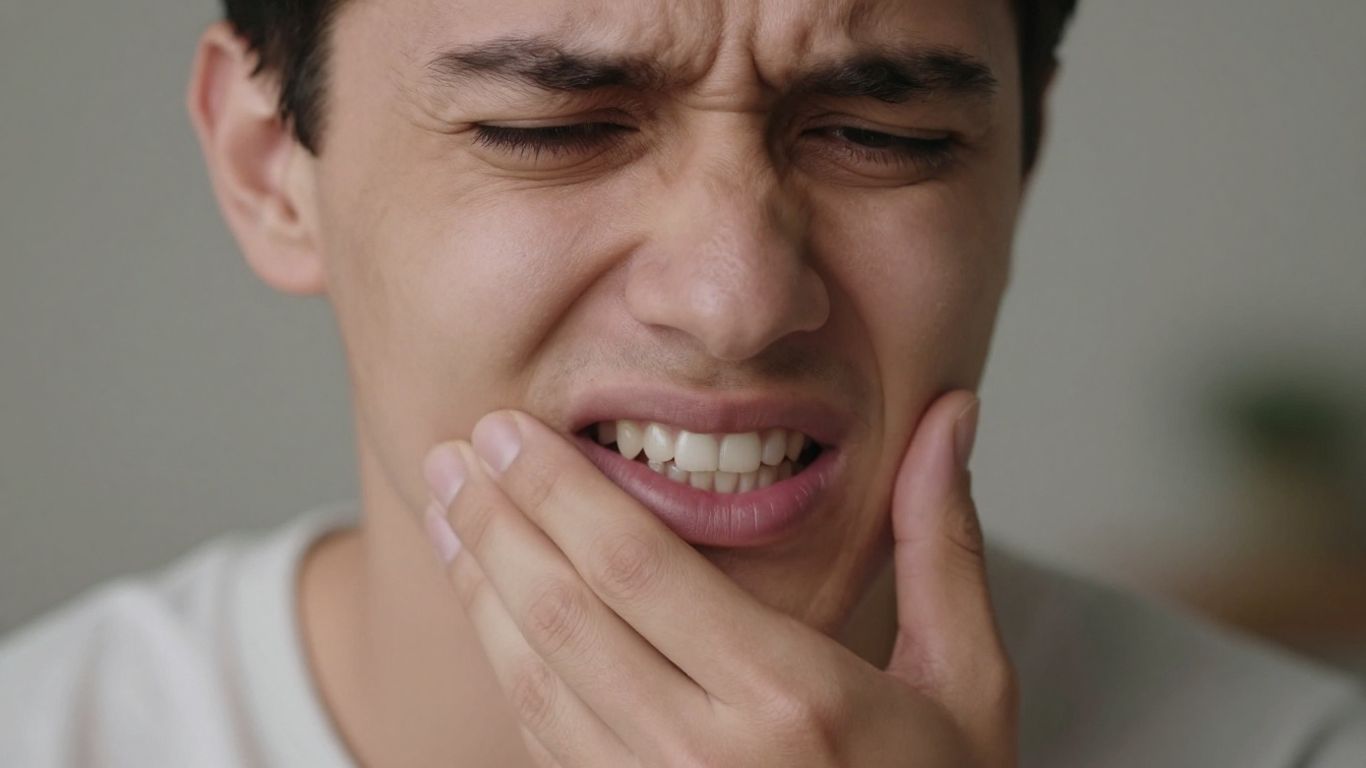
So, you decided to brighten up your smile with teeth whitening, and now your teeth are feeling a bit… sensitive? You’re definitely not alone. Many people experience this after a whitening treatment. It can be a little uncomfortable, but usually, it’s nothing to worry too much about. Let’s break down why your teeth hurt after whitening and what you can do to make it feel better.
Key Takeaways
- Whitening agents can temporarily make your tooth enamel more porous, leading to sensitivity.
- Minor gum irritation is normal because the whitening gel can sometimes contact the gums.
- Sensitivity usually peaks within 24-48 hours and often goes away on its own within a few days.
- Using toothpaste for sensitive teeth and avoiding very hot or cold foods can help manage discomfort.
- Following product instructions and taking breaks between whitening sessions can prevent excessive sensitivity.
Why Your Teeth Hurt After Whitening
So, you’ve just finished a teeth whitening session, hoping for that dazzling smile, but instead, you’re dealing with some unexpected discomfort. It’s a pretty common experience, honestly. Many people wonder, ‘Why do my teeth hurt after whitening?’ Let’s break down what’s happening.
The main reason behind that twinge is how the whitening agents, usually peroxide-based, interact with your teeth. These agents work by breaking down stains, which is great for brightness, but they can temporarily make your tooth enamel a bit more porous. Think of it like opening up tiny pathways. This increased permeability means that things like hot or cold temperatures, or even certain foods, can reach the sensitive inner part of your tooth, called dentin, more easily. This is what causes that sharp, sometimes surprising, pain. It’s not that the whitening is damaging your enamel permanently, but it’s making it more sensitive for a short while.
Sometimes, the discomfort isn’t just in your teeth; your gums might feel a bit sore too. This often happens if the whitening product, like those from whitening strips, comes into contact with your gum line. The peroxide can cause a mild, temporary irritation. It’s usually not a big deal and subsides quickly, but it can add to the overall feeling of sensitivity. If you’re experiencing sore gums from whitening strips, it’s a sign to be a bit more careful with application next time.
Ultimately, experiencing tooth sensitivity after bleaching is quite common. It’s a temporary side effect, and for most people, the pain is mild and goes away within a day or two. The intensity can vary depending on your individual dental health, the strength of the product used, and how long you used it. While it can be a bit of a nuisance, it’s usually a sign that the process is working, albeit with a temporary trade-off in comfort. Managing pain from teeth brighteners is definitely achievable with the right approach.
Understanding Your Body’s Natural Response
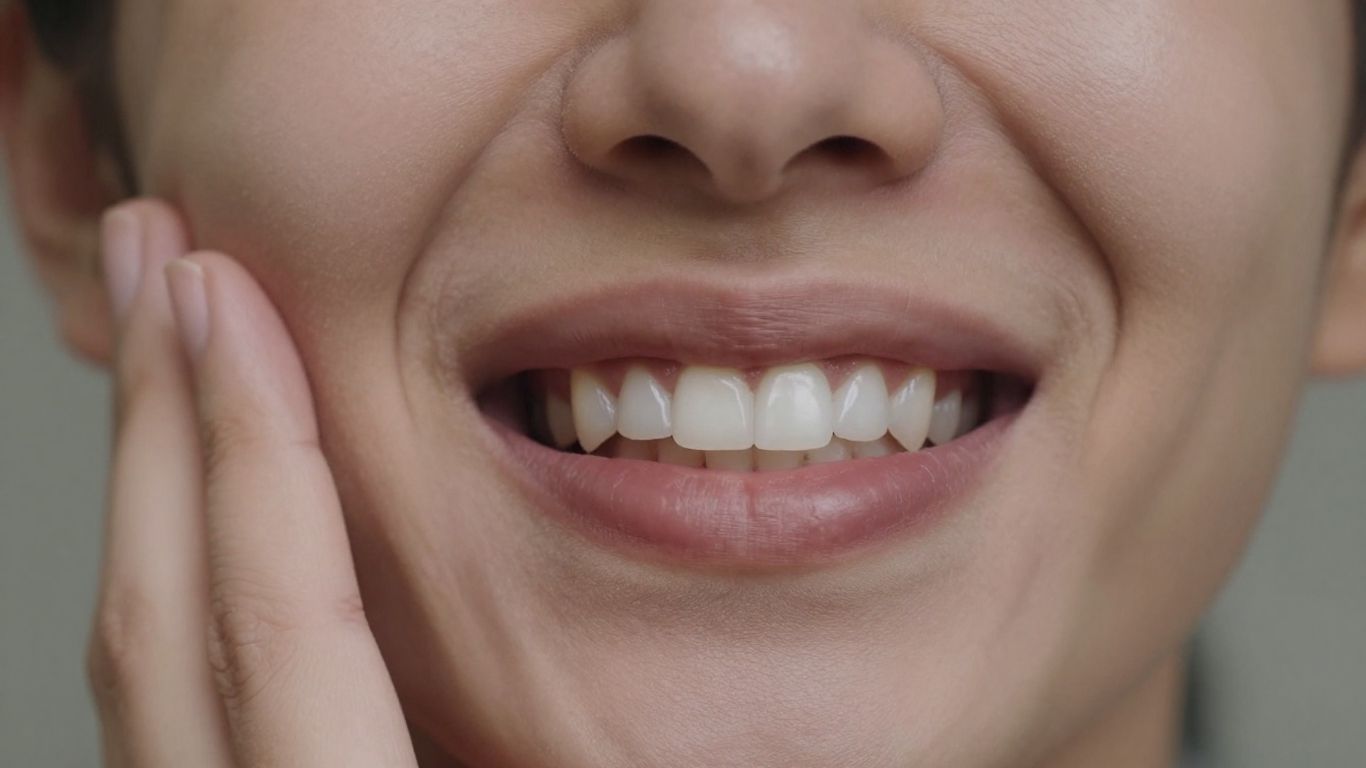
It’s pretty common to feel a bit of zing after whitening your teeth, and honestly, it’s usually a sign that things are working as they should. Think of it like this: the whitening agents are doing their job by getting into the nooks and crannies of your enamel to lift those stains. This process can temporarily make your teeth a little more open to outside influences, like temperature changes or even certain foods.
Sensitivity Means the Whitening Is Working
That little twinge you feel? It often means the bleaching agent has temporarily increased the porosity of your enamel. This allows stimuli, like a cold drink or a sweet treat, to reach the deeper parts of your tooth where the nerves are. It’s not a sign of damage, but rather a temporary side effect of the active ingredients doing their thing. This heightened sensitivity is usually short-lived.
Mild Discomfort Usually Goes Away Quickly
Most of the time, any discomfort you experience is mild and fades pretty fast. It’s your body’s way of reacting to the changes happening on the surface of your teeth. Usually, within a day or two, your teeth settle back down, and the sensitivity just… disappears. It’s a bit like how your skin might feel a little sensitive after a good scrub; it just needs a moment to recover. If you’re looking for ways to manage this, using a toothpaste designed for sensitive teeth can really help reduce sensitivity.
How to Reduce Sensitivity After Whitening
So, you’ve got that brighter smile, but maybe your teeth are feeling a little… zingy? Totally normal. Most people experience some sensitivity after whitening, but the good news is it doesn’t have to ruin your day. There are definitely ways to dial down that discomfort and get back to enjoying your smile.
Use Toothpaste for Sensitive Teeth
This is probably the easiest first step. Switching to a toothpaste specifically designed for sensitive teeth can make a big difference. These toothpastes have ingredients that help block the pain signals traveling from your teeth to your nerves. Try to use it consistently for a few days before and after your whitening treatment. Some people even find leaving a little bit of the toothpaste on their teeth for a few minutes before rinsing helps even more. It’s one of the simplest home remedies for whitening sensitivity.
Avoid Extremely Hot or Cold Foods
Your teeth are basically wearing their nerves on the outside for a bit after whitening, so super hot coffee or ice-cold water can feel like a shock. Stick to room temperature drinks and foods for a few days. This means no steaming soup or frosty ice cream for a little while. It might seem like a hassle, but it really helps.
Follow Whitening Instructions Carefully
This might sound obvious, but really paying attention to the instructions that came with your whitening kit is key. Overusing the product or leaving it on longer than recommended can definitely ramp up sensitivity. If you’re using custom trays, make sure they fit well so the gel doesn’t leak onto your gums, which can cause irritation.
Apply Fluoride Gel if Recommended
Sometimes, your dentist might suggest using a fluoride gel or rinse after whitening. Fluoride is great for strengthening your tooth enamel, and it can also help reduce sensitivity. If your dentist recommends it, give it a try. It’s a good way to give your teeth a little extra protection and help them recover faster. You can find fluoride treatments at most drugstores, or your dentist can provide a prescription-strength version.
Take Breaks Between Whitening Sessions
If you’re doing an at-home whitening treatment that involves multiple sessions over a few days, don’t be afraid to take an extra day off if you’re feeling sensitive. Pushing through might just make things worse. Listen to your teeth! Sometimes, just giving them a little break allows them to calm down before the next round. It’s better to go a bit slower and be comfortable than to rush and end up with painful teeth.
Tips for Maintaining a Comfortable, Bright Smile
So, you’ve gone through the whitening process and are enjoying a brighter smile, but maybe there’s a little zing now and then. That’s totally normal! To keep things comfortable and make sure your smile stays bright without the ouch, there are a few simple things you can do. It’s all about being a little mindful of what you eat and drink, and how you care for your teeth in the days following the treatment.
Drink Water After Whitening
After you’ve finished your whitening session, reaching for water is a good idea. It helps rinse away any leftover whitening product and can also help to soothe your mouth. Think of it as a gentle flush. Plus, staying hydrated is just good for your overall health, right?
Maintain Gentle Oral Hygiene
When it comes to brushing and flossing after whitening, go easy. Your teeth might be a bit more sensitive, so using a soft-bristle toothbrush is key. Don’t scrub hard; a gentle circular motion is all you need. Also, consider using a toothpaste specifically designed for sensitive teeth. These often contain ingredients that help block the tiny channels in your teeth that can lead to that sensitive feeling. It’s about being kind to your teeth while keeping them clean and healthy.
Here’s a quick rundown of what to keep in mind:
- Use a soft-bristle toothbrush. This is non-negotiable for gentle cleaning.
- Opt for desensitizing toothpaste. Look for brands that specifically mention sensitivity relief.
- Rinse with lukewarm water. Avoid extremes of hot or cold, especially right after treatment.
- Be mindful of what you eat and drink. Stick to room temperature items and avoid anything too acidic for a little while.
Taking these small steps can make a big difference in how comfortable you feel after whitening. It’s not about avoiding things forever, just being a bit more careful during that initial sensitive period so you can fully enjoy your dazzling new smile.
So, What’s the Takeaway?
Look, getting that brighter smile is awesome, but dealing with tooth sensitivity afterward? Not so much. We’ve talked about why it happens – things like enamel getting a bit more open to stuff, or maybe existing little issues you didn’t even know about. The good news is, it’s usually not a big deal and doesn’t stick around forever. Just remember to be gentle, use those special toothpastes, maybe skip the super hot coffee for a bit, and if things don’t feel right after a few days, don’t hesitate to give your dentist a call. They’re there to help you get that dazzling smile without all the ouch.
Frequently Asked Questions
Why do my teeth feel sensitive after whitening?
Whitening products often contain bleaching agents like hydrogen peroxide. These can temporarily make your tooth enamel more porous, which means things like hot, cold, or even sweet foods can reach the nerves inside your teeth more easily, causing that tingly or sharp pain. It’s like the protective shield is a bit thinner for a while.
How long does this sensitivity usually last?
For most people, this sensitivity is like a short visit – it usually peaks within the first day or two after whitening and then calms down pretty quickly, often going away completely within a few days to a week. If it sticks around longer or gets worse, it’s a good idea to check in with your dentist.
What’s the best way to deal with the sensitivity right now?
Try using toothpaste made for sensitive teeth; it has ingredients that help block those pain signals. Also, steer clear of super hot or cold drinks and foods for a bit. Brushing gently with a soft toothbrush is key, too. Some people find rinsing with lukewarm salt water soothing.
Can I still whiten my teeth if I have sensitive teeth normally?
If you already have sensitive teeth, whitening might make it more noticeable. It’s a good idea to talk to your dentist before starting. They might suggest using a lower-strength product, recommend specific desensitizing treatments beforehand, or advise on how to manage sensitivity during and after the process.
Are there things I should do before whitening to prevent sensitivity?
Yes! Starting to use a desensitizing toothpaste a week or two before you whiten can help prepare your teeth. Also, making sure you don’t have any underlying issues like cavities or gum problems is important, so a dental check-up beforehand is a smart move. Your dentist might also suggest applying a special gel before treatment.
When should I be worried about the sensitivity and see a dentist?
If the sensitivity is really bad, doesn’t get better after a week, or if you notice other problems like a toothache that doesn’t go away, swelling, or if you think you might have a cavity, it’s time to call your dentist. They can figure out if something else is going on and help you find relief.