
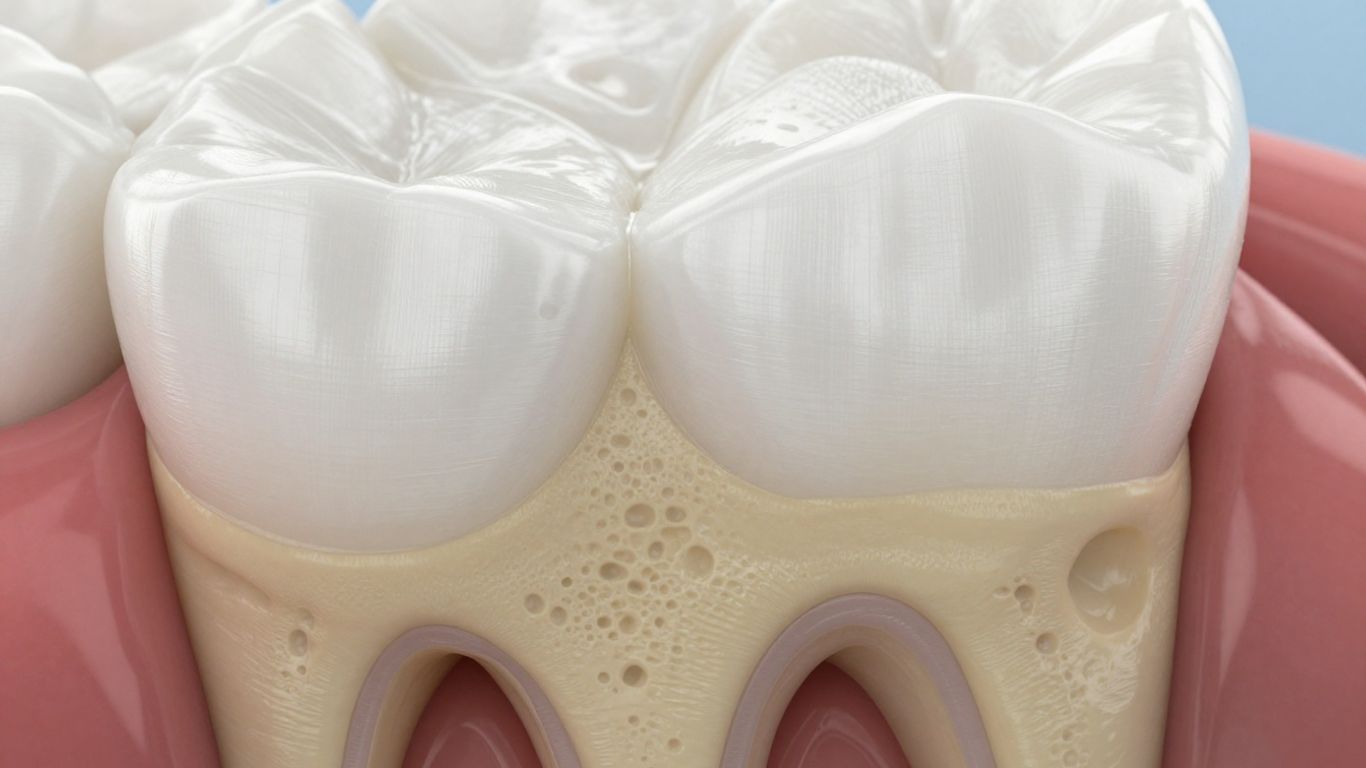
You might not think about it much, but the layers inside your teeth really matter for your oral health. From the tough outer shell to the soft middle part, each section does its own job. Learning about enamel and other layers can help you take better care of your smile and understand why certain dental issues pop up. Let’s break down what makes up a tooth and why keeping it healthy is so important.
Key Takeaways
– Teeth have three main layers: enamel, dentin, and pulp, and each has a specific job.
– Enamel is the hard outer layer that protects against decay, while the pulp has nerves and blood vessels inside.
– Knowing about these layers helps you understand tooth sensitivity and decay.
– Cementum covers the tooth root and holds it in place with the help of ligaments.
– Good enamel health is key to protecting the layers underneath and preventing problems.
Understanding Tooth Structure and Enamel Health
What Tooth Enamel Is
When you look at your teeth, the shiny white part you see is called enamel. It’s the outermost layer, and honestly, it’s pretty amazing. Think of it as your tooth’s personal bodyguard. It’s the hardest substance in your entire body, even tougher than bone! This incredible strength is what helps your teeth handle all the chewing, biting, and grinding they do every single day. Enamel is mostly made of minerals, which gives it that tough exterior. It’s like a protective shield, guarding the more sensitive parts of your tooth from the outside world. This outer shell is also what gives your teeth their bright appearance. However, it’s important to remember that while enamel is super strong, it doesn’t have any living cells. This means that once it’s damaged, it can’t grow back or repair itself. So, taking good care of it is a big deal.
Why Enamel Health Is Important
Keeping your enamel healthy is super important for a few reasons. First off, it’s your main defense against cavities. When enamel is strong, it’s harder for the acids produced by bacteria in your mouth to break down your teeth. These acids can cause tiny holes, which is how cavities start. A healthy enamel layer prevents these acids from getting to the softer parts underneath. Beyond just preventing cavities, good enamel health also helps with sensitivity. If your enamel wears down, the layer beneath it, called dentin, can become exposed. Dentin has tiny tubes that lead to your tooth’s nerves, and when they’re exposed, you might feel a twinge when you eat something hot, cold, or sweet. So, protecting your enamel means a more comfortable experience when you’re eating and drinking. It’s all about maintaining that strong outer shell for overall tooth integrity and comfort. Good enamel health is the foundation for a healthy mouth.
Everyday Factors That Support Enamel Health
There are quite a few things you can do every day to help keep your enamel strong and healthy. It’s not just about brushing; it’s a combination of habits. Here are some key practices:
– Brushing Regularly: Aim to brush at least twice a day with a fluoride toothpaste. Fluoride is a mineral that actually helps to strengthen enamel and can even repair very early stages of decay.
– Mind Your Diet: Try to limit sugary snacks and drinks, as well as acidic foods and beverages like soda, citrus fruits, and sports drinks. These can wear down enamel over time. If you do consume them, try to do so with meals rather than sipping on them throughout the day.
– Stay Hydrated: Drinking plenty of water helps wash away food particles and acids. It also helps keep your mouth moist, which is important for saliva production. Saliva plays a big role in neutralizing acids and remineralizing teeth.
– Consider Dental Sealants: For some people, especially children, dental sealants can provide an extra layer of protection for the chewing surfaces of back teeth, where cavities often start. These are thin, plastic coatings applied to the grooves of the teeth.
Protecting your teeth involves more than just cleaning them. It’s about creating a daily routine that supports the natural defenses of your mouth and actively works to prevent damage to your tooth enamel. Making smart choices about what you eat and drink, alongside consistent oral hygiene, is key to maintaining tooth enamel strength and protecting tooth enamel for the long haul.
Enamel vs. Dentin: Understanding the Layers of Your Teeth
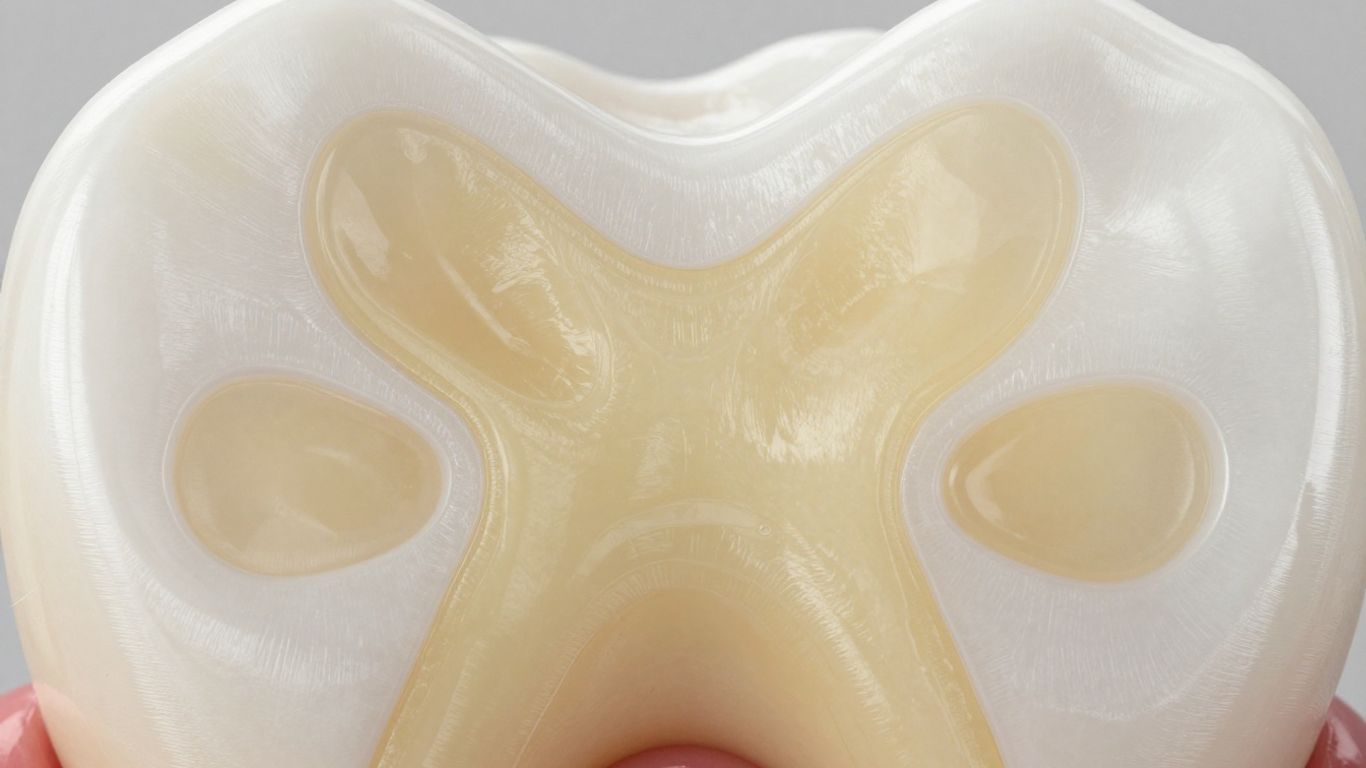
So, we’ve talked about enamel, that tough outer layer of your teeth. But what’s going on underneath? That’s where dentin comes in. Think of it like this: enamel is the helmet, and dentin is the padding underneath. They work together, but they’re pretty different.
Where Enamel and Dentin Are Located
Enamel is what you see when you look in the mirror – it’s the shiny, outer layer of teeth. It covers the crown, the part of the tooth that sticks out above your gums. Beneath that protective shell is the dentin. Dentin makes up the bulk of your tooth, extending from just under the enamel all the way down to the root.
Key Differences Between Enamel and Dentin
Here’s a quick rundown of how these two layers stack up:
– Enamel:
* Hardest substance in the body.
* Mostly mineral (hydroxyapatite).
* Translucent, giving teeth their white appearance.
* Cannot regenerate if damaged.
– Dentin:
* Softer than enamel, but harder than bone.
* Yellowish in color.
* Contains microscopic tubules that connect to the tooth’s nerve.
* Can regenerate to a limited extent (reparative dentin).
How Enamel and Dentin Work Together
Enamel is tough, but it can be brittle. Dentin provides support, acting like a shock absorber when you bite down. This helps prevent the enamel from cracking. When enamel wears away, or if your gums recede, the dentin can become exposed. Because dentin has those tiny tubules leading to the nerves, this is often when you start feeling sensitivity to hot, cold, or sweet things. It’s a clear sign that the protective enamel layer isn’t doing its job as well as it should.
Protecting your enamel is super important because once it’s gone, it’s gone for good. This means the dentin underneath is more likely to be exposed, leading to discomfort and potential problems down the line. Good oral hygiene really helps keep both layers healthy.
How Tooth Layers Affect Daily Comfort
You know, it’s pretty wild how much those tiny layers inside your teeth actually impact your day-to-day life. It’s not just about having a nice smile; it’s about being able to enjoy your morning coffee or a cold drink without wincing. The outer layer, enamel, is super tough, like a shield. But when that shield gets worn down, maybe from sipping on acidic drinks or just from regular wear and tear, things start to get uncomfortable.
That’s when the layer underneath, called dentin, comes into play. Dentin is way more sensitive because it’s got all these little tubes that lead straight to the nerve. Think of it like this:
– Enamel: The hard, protective outer shell. It’s the first line of defense.
– Dentin: The layer beneath enamel. It’s softer and contains tiny channels (tubules) that connect to the tooth’s nerve.
– Pulp: The innermost part with nerves and blood vessels. This is where you feel pain.
When enamel is thin or gone, hot or cold temperatures, or even sweet and sour foods, can travel through those dentin tubules and hit the nerve. Suddenly, that ice cream cone or that cup of tea becomes a source of pain. It’s a real bummer when you can’t enjoy simple things because your teeth are sending out distress signals. This sensitivity is a direct result of the dentin being exposed.
Sometimes, you might not even realize how much your enamel is being affected until you start feeling that twinge. It’s a gradual process, and by the time you notice the sensitivity, the enamel might have already thinned quite a bit. Paying attention to these signals is key to preventing bigger problems down the road.
So, keeping that enamel strong and intact isn’t just about looks; it’s about maintaining your comfort and ability to eat and drink normally. Protecting your tooth enamel is really the first step to avoiding that sharp, sudden pain that can really throw off your day.
Supporting Strong and Healthy Teeth
Keeping teeth strong involves a few key habits that really make a difference over time. It’s not just about brushing twice a day, though that’s a big part of it. Think about what you’re eating and drinking, too. Sugary snacks and acidic drinks can wear down that tough outer layer, the enamel, faster than you might think. When enamel gets thin, the layer underneath, called dentin, starts to show, and that’s when sensitivity kicks in.
Here are some practical ways to support your teeth:
– Brush and floss daily: This removes plaque and food particles that can lead to decay. Use a toothpaste with fluoride; it really helps strengthen enamel.
– Watch your diet: Limit sugary treats and acidic beverages like soda and fruit juices. If you do indulge, try to rinse your mouth with water afterward.
– Stay hydrated: Drinking plenty of water helps wash away food debris and neutralizes acids.
– Consider dental sealants: These are thin protective coatings applied to the chewing surfaces of back teeth, helping to prevent decay.
Protecting your teeth isn’t a one-time fix; it’s about consistent care. Small daily actions add up to significant long-term benefits for your smile.
Regular dental check-ups are also super important. Your dentist can spot early signs of trouble, like enamel erosion or gum issues, before they become bigger problems. They can also offer advice tailored to your specific needs, like recommending dental veneers if you have cosmetic concerns or need to protect a damaged tooth surface. It’s all about working with your dentist to keep those layers healthy and functioning well.
Maintaining Long-Term Oral Health
Keeping your teeth in good shape for years to come is all about consistent care and paying attention to what your mouth is telling you. It’s not just about brushing twice a day, though that’s a big part of it. Think of it like maintaining a car – regular check-ups and addressing small issues before they become major problems can save you a lot of hassle and money down the road.
One of the most important things you can do is keep up with your dentist appointments. These aren’t just for cleanings; your dentist can spot early signs of trouble, like tiny cracks in the enamel or the start of gum recession, long before you’d notice them yourself. They can also check on the health of your dentin and pulp, making sure everything is as it should be.
Here are a few key practices to focus on:
– Regular Dental Visits: Aim for check-ups every six months, or as often as your dentist recommends. This allows for early detection of issues like cavities, gum disease, or even signs of teeth grinding.
– Mindful Eating Habits: Limit sugary snacks and acidic drinks. When you do consume them, try to rinse your mouth with water afterward. Foods rich in calcium and phosphorus, like dairy products and leafy greens, help strengthen your enamel.
– Proper Oral Hygiene: Beyond brushing, don’t forget to floss daily. This gets rid of plaque and food particles between teeth where your brush can’t reach, protecting both enamel and dentin.
– Listen to Your Body: If you suddenly notice increased sensitivity to hot or cold, or a persistent ache, don’t ignore it. These can be signals that the dentin is becoming exposed or that there’s an issue with the pulp.
Taking a proactive approach to your dental health means understanding that each layer of your tooth, from the tough outer enamel to the sensitive inner pulp, plays a role in your overall well-being. Protecting these layers isn’t just about preventing cavities; it’s about preserving the function and comfort of your smile for a lifetime.
By incorporating these habits into your routine, you’re not just taking care of your teeth for today, but you’re investing in a healthier smile for the future. It’s a marathon, not a sprint, and consistent effort really pays off.
Conclusion
So, there you have it. Your teeth are pretty amazing, right? It’s not just one solid piece; it’s got these different layers, like enamel on the outside doing the heavy lifting of protection, and then dentin underneath, kind of like the sturdy middle manager. And don’t forget the pulp in the middle, the actual living part that keeps things going. Knowing this stuff isn’t just for dentists. It helps you understand why brushing and flossing are so important, and why maybe that sensitivity you feel isn’t just a random thing. Taking care of these layers means taking care of your whole mouth, which is, you know, pretty important for eating, talking, and just generally living your life. So, give those teeth a little extra thought next time you brush.
Frequently Asked Questions
What is enamel and why is it important?
Enamel is the super hard, outer layer of your teeth that you see when you smile. It’s the strongest thing in your body! Its main job is to protect the softer parts of your tooth from damage, like from the food you eat and the acids that can form in your mouth. Because it can’t grow back once it’s gone, taking care of it is super important.
What is dentin and where is it located?
Dentin is the layer right under the enamel. It’s not as tough as enamel but makes up most of your tooth. It’s a bit yellowish and has tiny tunnels that connect to the tooth’s nerve. Dentin helps support the enamel and is why your teeth can feel sensitive if the enamel wears away.
What is the pulp of a tooth?
The pulp is the very center of your tooth, like its core. It’s soft and contains nerves and blood vessels. This is what keeps your tooth alive and allows you to feel sensations like hot, cold, or pain. If the pulp gets damaged or infected, it can cause a lot of pain.
How do enamel and dentin work together?
Think of enamel as a strong shield and dentin as the supportive structure underneath. Enamel protects the dentin and the inner parts of the tooth from damage. Dentin, in turn, supports the enamel and helps absorb the force when you chew. They work as a team to keep your tooth strong and functional.
Can damaged tooth layers heal themselves?
Enamel is like a hard shell with no living cells, so it can’t heal or repair itself if it gets chipped or worn down. Dentin is a living tissue and can repair itself a little bit by making more dentin, but it’s not a complete fix. The pulp is also living tissue, and while it can react to damage, severe issues often need professional treatment.
What can I do to keep my tooth layers healthy?
To keep your teeth healthy, brush and floss every day to remove plaque and food bits. Use fluoride toothpaste to help strengthen your enamel. Try to limit sugary and acidic foods and drinks, as they can wear down enamel. Regular visits to your dentist are also key to catching any problems early.