
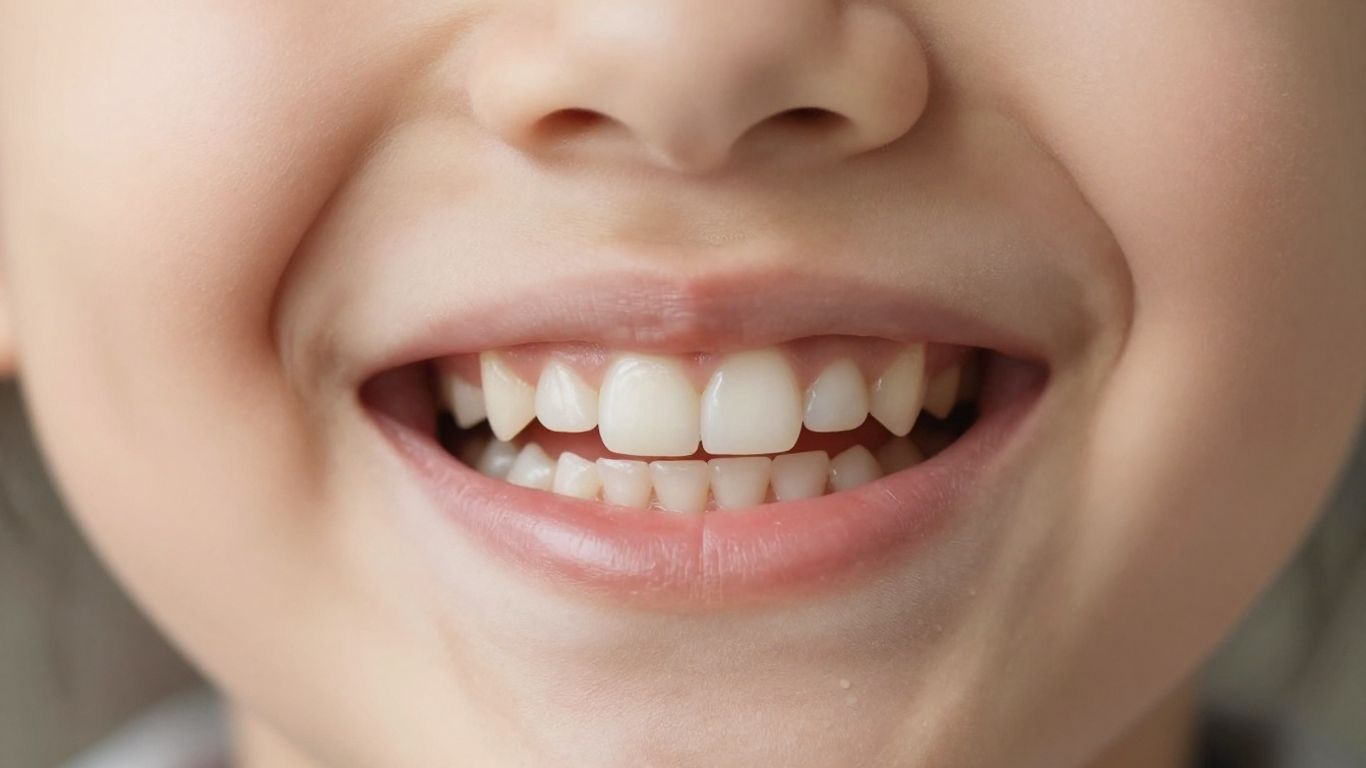
When it comes to getting your kiddo’s teeth straightened out, figuring out the best age for dental braces can feel like a puzzle. You want to get it right so treatment works best and doesn’t drag on forever. This guide breaks down what parents need to know about timing, signs your child might need braces, and what the whole process is like. It’s all about making sure your child gets the smile they deserve, at the right time.
What Age Is Best for Braces?
So, you’re wondering about the best age for dental braces for your kid? It’s a common question, and honestly, there isn’t one single magic number that fits every child. It really depends on how your child’s teeth are developing and what your orthodontist recommends. Some kids might not even need braces at all, which is great news!
The Ideal Age Range for Most Kids
Generally speaking, most orthodontists in Outaouais point to the pre-teen years, roughly between ages 10 and 14, as the prime time for braces. Why this window? Well, by this age, most of your child’s permanent teeth have usually come in. Plus, their jawbone is still growing and is more adaptable, making it easier for the orthodontist to guide the teeth into their proper places. It’s like shaping clay when it’s still soft – much easier than trying to reshape hardened material.
Why Timing Plays a Key Role in Results
Getting braces at the right time can make a big difference. Starting treatment when the jaw is still developing and most permanent teeth are present can lead to more effective results and potentially a shorter treatment time. It allows the orthodontist to work with the natural growth patterns of your child’s mouth. Think of it as catching a problem early when it’s simpler to fix.
“Starting orthodontic treatment too early might mean a child needs two phases of treatment, which can be more complex. On the flip side, waiting too long can mean that some issues are harder to correct because the jaw has finished growing.”
Here’s a quick look at why timing matters:
● Jaw Growth: The jaw is more flexible and easier to guide during growth spurts.
● Tooth Eruption: Having most permanent teeth in place allows for a clearer picture of alignment needs.
● Treatment Efficiency: Correcting issues when the mouth is still developing can often be quicker and more straightforward.
● Cooperation: Kids in this age group are often more mature and understanding about the process of wearing braces.
Why Early Orthodontic Evaluation Matters
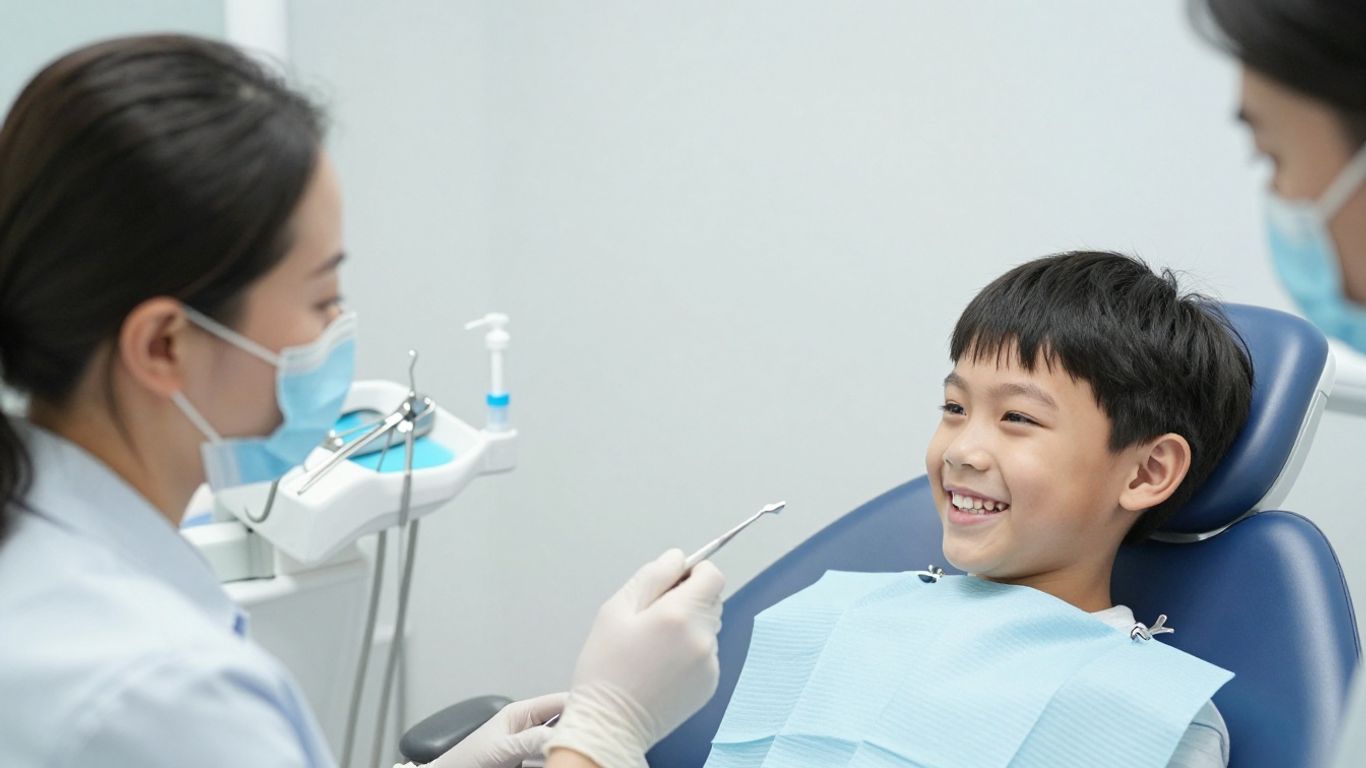
Why Age 7 Is Recommended
So, why do orthodontists often suggest a check-up around age seven? It’s not usually because they plan to put braces on your kiddo right away. Instead, this early visit is all about getting a head start on understanding how your child’s teeth and jaws are developing. By this age, most kids have a mix of baby teeth and permanent teeth coming in, which gives the orthodontist a good snapshot of what’s happening below the surface. This proactive approach allows them to spot potential issues early on, before they become bigger, more complicated problems down the road. Think of it like getting a tune-up for your car before something major breaks – it just makes sense.
What Orthodontists Look for Early On
When your child sees the orthodontist for that early evaluation, they’re not just looking at crooked teeth. They’re assessing a whole bunch of things related to growth and development. Here’s a peek at what they’re checking for:
● Jaw Growth: Is the upper and lower jaw growing at the right pace and in the right direction? Sometimes, one jaw might be growing faster than the other, which can lead to bite problems later.
● Tooth Eruption: Are the permanent teeth coming in as expected? Are they spaced out okay, or are they already looking a bit crowded?
● Bite Alignment: How do the top teeth fit with the bottom teeth when your child bites down? Are there any crossbites, overbites, or underbites starting to form?
● Harmful Habits: Things like thumb-sucking or tongue thrusting can really affect how teeth and jaws develop. The orthodontist will look for these.
● Space Availability: Is there enough room for all those permanent teeth to come in without overlapping? Sometimes, baby teeth are lost too early or too late, which can mess with this spacing.
“This early look helps the orthodontist create a roadmap. They can predict future problems and decide if early intervention, like using a palate expander or partial braces, might be beneficial. It’s about guiding development, not just fixing what’s already there.”
Sometimes, the orthodontist might recommend just keeping an eye on things and scheduling another visit in six months or a year. Other times, they might suggest a “Phase 1” treatment. This early treatment isn’t for everyone, but when it’s needed, it can make a big difference in guiding jaw growth and creating space for permanent teeth, potentially simplifying or even preventing the need for more extensive treatment later on.
Braces by Age Group
When it comes to getting braces for your child, the timing can really make a difference. It’s not a one-size-fits-all situation, and different age groups often benefit from different approaches.
Ages 6–9: Early (Phase 1) Treatment
This stage is all about early intervention. If your child’s orthodontist recommends it, this is when we might start what’s called “Phase 1” treatment. It’s not always about putting on full braces, though. Sometimes, it involves appliances to help guide jaw growth or create space for permanent teeth that are still on their way in. The goal here is to address significant issues early on, potentially making later treatment simpler or even unnecessary. Think of it as setting the stage for a smoother ride down the road. This early evaluation around age seven is key to spotting potential problems.
Ages 10–14: Most Common Time for Braces
For many kids, this is the sweet spot for getting braces. By this age, most of their permanent teeth have usually come in, and their jaw is still developing. This makes it a great time for the orthodontist to work on straightening teeth and correcting bite issues. Treatment during these years often moves along quite well because the teeth and bone are still adaptable. Plus, getting braces done before high school can be a big plus for many teens.
Ages 15+: Is It Too Late for Braces?
Absolutely not! If your child is 15 or older and needs braces, it’s definitely not too late. While the jawbone is more set at this age compared to younger teens, orthodontic treatment is still very effective. Many teenagers and even adults get braces and achieve fantastic results. The process might take a bit longer, and the specific type of braces or appliances might be different, but a straighter smile and improved bite are certainly achievable. It’s never too late to invest in your child’s oral health.
Here’s a general look at what might be happening:
● Ages 6-9: Focus on guiding jaw growth, correcting crossbites, or making room for erupting teeth. This might involve expanders or partial braces.
● Ages 10-14: This is when most comprehensive treatment happens, aligning all permanent teeth and fixing bite problems.
● Ages 15+: Treatment focuses on aligning teeth and correcting bite issues, though the approach might be adjusted due to a more mature jaw structure.
“It’s important to remember that every child’s dental development is unique. What works for one might not be the perfect fit for another. That’s why a personalized assessment by an orthodontist is so important.”
Signs Your Child May Need Braces
Sometimes it’s not super obvious when your kiddo might need braces. You might think their teeth look okay, but there could be underlying issues brewing. Paying attention to a few key things can help you spot potential problems early on.
Common Dental Alignment Issues
● Crowded or Overlapping Teeth: This is probably the most common reason parents seek out orthodontic help. If permanent teeth are coming in and there just isn’t enough room, they’ll start pushing each other around, leading to crookedness or teeth overlapping. It can make brushing and flossing a real challenge, too.
● Gaps Between Teeth: While some spacing is normal, especially when baby teeth are falling out, large or persistent gaps between permanent teeth might need a look. This can sometimes be related to the size of the teeth or the jaw.
● Protruding Teeth: Teeth that stick out too far, especially the front ones, aren’t just about looks. They’re more vulnerable to chips and breaks if your child takes a tumble. It’s definitely something to get checked out.
Bite Problems to Watch For
● Difficulty Chewing or Biting: Does your child complain when they eat? Maybe they have trouble biting into certain foods, or their jaw seems to shift when they chew. This can be a sign that their upper and lower teeth aren’t meeting properly.
● Jaw Alignment Issues: You might notice your child’s jaw clicking or popping when they open their mouth wide, or perhaps one side of their jaw seems to stick out more than the other. These are signs of an underbite, overbite, or crossbite, where the top and bottom jaws don’t line up correctly.
● Mouth Breathing: If your child consistently breathes through their mouth, especially when they’re sleeping, it can actually affect how their face and teeth develop over time. It’s worth mentioning to your dentist or orthodontist.
“It’s easy to dismiss some of these signs as just a normal part of growing up, but early detection is key. An orthodontist can spot potential problems long before they become major issues, sometimes even before all the permanent teeth have come in.”
● Speech Challenges: Believe it or not, the way teeth are aligned can sometimes affect how a child speaks. If they have trouble pronouncing certain sounds, it might be linked to their bite or tooth spacing.
Benefits of Getting Braces at the Right Age
Getting braces at the optimal time for your child can really make a difference. It’s not just about getting a straighter smile, though that’s a big part of it. When orthodontists can work with a child’s natural growth, they can often achieve better results with less complicated treatment. This means potentially shorter treatment times and a more stable outcome down the road.
Think about it: a child’s jaw is still developing, and their permanent teeth are still coming in. This is the perfect window for guiding things into place. If you wait too long, you might be looking at more complex issues that require more involved procedures. It’s like trying to bend a young sapling versus an old, stiff tree – much easier when it’s young and flexible.
Here are some of the key advantages:
● Improved Oral Health: Properly aligned teeth are easier to clean, which can reduce the risk of cavities and gum disease later in life.
● Better Function: Correcting bite issues means your child can chew food more effectively and speak more clearly.
● Boosted Confidence: A straight smile can do wonders for a child’s self-esteem as they grow.
● Reduced Risk of Injury: Teeth that stick out too far are more prone to chipping or breaking during sports or accidents.
Sometimes, early orthodontic treatment can even prevent the need for more extensive work later on. It’s all about catching potential problems early and addressing them when they are most manageable. This proactive approach can save time, money, and a lot of hassle in the long run. If you’re wondering about your child’s dental development, getting an early orthodontic evaluation around age seven is a great first step.
What Happens If Braces Are Started Too Early or Too Late?
Starting orthodontic treatment at the wrong time can really throw a wrench in things. If braces are put on too soon, especially before a child’s permanent teeth have even started to come in properly, it might not actually fix the underlying problem. Sometimes, early treatment can even make things a bit more complicated down the road, potentially leading to longer treatment times or the need for more involved procedures later on. It’s like trying to build a house on a shaky foundation – it’s just not going to work out as well.
On the flip side, waiting too long can also cause issues. If a child has significant bite problems or severely crowded teeth, delaying treatment can allow these problems to become more entrenched. This can sometimes lead to permanent damage to the teeth or jaw, or make the correction process much more difficult and lengthy once it finally begins. The key is finding that sweet spot where the child’s mouth has developed enough for effective treatment, but before the issues have become too severe.
Here’s a quick look at what can happen:
● Too Early:
○ Treatment might not be effective for the permanent teeth.
○ Could lead to longer overall treatment duration.
○ May require additional interventions later.
○ Potential for increased discomfort or inconvenience.
● Too Late:
○ Risk of permanent damage to teeth or jaw structure.
○ More complex and lengthy treatment needed.
○ May miss the optimal window for guiding jaw growth.
○ Increased likelihood of needing tooth extractions.
The best approach is always to get an early evaluation. An orthodontist can monitor your child’s growth and development, identifying potential issues and recommending the ideal time to start treatment, ensuring the best possible outcome without unnecessary delays or premature interventions.
How Long Do Kids Usually Wear Braces?
Figuring out how long braces will be on your child’s teeth can feel like a bit of a guessing game, and honestly, there’s no single answer that fits everyone. It really depends on what’s going on with their teeth and jaw.
Generally speaking, most kids end up wearing braces for somewhere between 18 months to 2.5 years. That might sound like a long time, but think about it – we’re talking about moving teeth and guiding jaw growth, which doesn’t happen overnight. It’s a gradual process.
Here’s a breakdown of what influences the treatment time:
● Complexity of the Issue: Simple crowding might take less time than a significant bite problem or jaw misalignment.
● Child’s Age and Growth: Younger kids whose jaws are still developing might see faster results, especially if early intervention is part of the plan.
● Adherence to Instructions: How well your child takes care of their braces, follows dietary rules (no sticky stuff!), and attends all their appointments plays a big role.
● Type of Braces: While most types work similarly, some might have slight variations in treatment duration.
It’s important to remember that the goal isn’t just to get the braces off as quickly as possible. It’s about achieving a healthy, stable bite and a smile that functions well for a lifetime. Rushing the process could mean the results don’t last.
After the braces come off, your child will likely need to wear retainers. These are super important for keeping all that hard work in place. The orthodontist will give you specific instructions on how and when to use them, and this phase can last for several years, sometimes even indefinitely, especially at night.
Types of Braces Available for Kids and Teens
When it comes to straightening teeth, there are more options now than ever before. Gone are the days when metal brackets and wires were the only game in town. Today, orthodontists have a variety of tools to help align your child’s smile, and the best choice often depends on their specific needs and what they’re comfortable with.
Traditional metal braces are still a really popular choice because they’re effective and durable, especially for fixing more complex bite issues. They consist of metal brackets that are bonded to each tooth and connected by an archwire. These are usually the most budget-friendly option too.
Then there are ceramic braces. These work just like metal braces, but the brackets are made of a tooth-coloured material, making them much less noticeable. They’re a great option for older kids and teens who might feel a bit self-conscious about how they look with metal in their mouth. However, they can sometimes be a bit more fragile than metal ones.
For milder to moderate alignment problems, clear aligners might be a good fit. These are custom-made, transparent trays that fit snugly over the teeth. Your child wears them for a set amount of time each day, removing them only to eat and brush. They’re practically invisible, which is a big plus for many teens. The key here is that your child needs to be disciplined about wearing them consistently and keeping them clean. It’s important to protect the enamel on your child’s teeth during any orthodontic treatment.
Here’s a quick look at some common types:
● Metal Braces: The classic, reliable choice. Strong and effective for most cases.
● Ceramic Braces: Tooth-coloured brackets for a more discreet look.
● Clear Aligners: Removable, transparent trays for mild to moderate issues.
Sometimes, before braces are even put on, an orthodontist might recommend a palatal expander. This device is used to widen the upper jaw, creating more space for permanent teeth to come in properly. It’s often part of what’s called Phase 1 treatment for younger children.
Choosing the right type of braces is a discussion you’ll have with your orthodontist. They’ll look at your child’s bite, the crowding of their teeth, and even their jaw growth to figure out the best path forward. It’s not just about how straight the teeth look, but also about how the bite functions overall. Making sure the treatment plan fits your child’s lifestyle is also a big part of it.
When Should You See an Orthodontist?
So, when exactly is the right time to book that first visit with the orthodontist? It’s not always about spotting a crooked tooth.
The American Association of Orthodontists suggests a child’s first orthodontic check-up should happen around age seven. Think of it as a developmental screening for their teeth and jaw. At this age, kids usually have a mix of baby teeth and permanent ones coming in, which gives the orthodontist a good look at how things are developing. It doesn’t mean braces are a sure thing at seven, but it’s a smart time to get a professional opinion and a baseline for future monitoring.
Here are some signs that might prompt you to schedule a consultation sooner rather than later:
● Teeth that seem really crowded or overlap each other.
● Difficulty with chewing or biting food properly.
● Your child consistently breathes through their mouth.
● Baby teeth that fall out much earlier or much later than expected.
● Noticeable gaps between teeth that seem to be widening.
● Speech issues that might be related to tooth or jaw alignment.
● Jaw that clicks, pops, or shifts when opening and closing the mouth.
If you notice any of these things, or if you just have a gut feeling something isn’t quite right with your child’s bite or smile, it’s always a good idea to get it checked out. An orthodontist can assess the situation, explain what they see, and let you know if and when treatment might be needed. It’s better to be proactive and get that professional insight early on.
Conslusion
So, when’s the best age for dental braces? Honestly, there’s no single answer that fits every kid. Most dentists suggest a check-up around age seven, just to see what’s going on. But for the actual braces, the sweet spot is usually between ten and fourteen. That’s when most of their adult teeth are in, and their jaws are still growing, making things easier to move around. Keep an eye out for signs like crooked teeth or trouble biting. If you’re unsure, just book a chat with an orthodontist. They’re the pros who can tell you exactly what your child needs and when. Getting braces is a big step, but it sets them up for a healthier, more confident smile down the road.
Frequently Asked Questions
When should my child first see an orthodontist?
It’s a good idea to book your child’s first visit to an orthodontist around age 7. This isn’t necessarily to get braces right away, but so the orthodontist can check how their teeth and jaw are developing. They can spot potential issues early on, which can make future treatment easier.
What’s the most common age for kids to get braces?
Most kids get braces between the ages of 10 and 14 as it is the best age for dental braces. By this time, most of their permanent teeth have come in, and their jaw is still growing. This makes it a great time for orthodontists to guide the teeth into the right spots.
Can adults get braces too?
Absolutely! While it’s often easier to treat kids, adults can definitely get braces. Sometimes, adult treatment might take a bit longer or involve different methods because the jawbone isn’t growing anymore, but the results can still be amazing for your smile and overall health.
What are some signs my child might need braces?
Look out for things like teeth that are really crowded or overlapping, difficulty chewing or biting properly, or if your child breathes through their mouth a lot. Also, if they lose baby teeth much too early or too late, or if their jaws make clicking sounds, it might be time for a check-up.
What foods should my child avoid with braces?
It’s best to stay away from hard, sticky, or chewy foods that can damage the braces. Think popcorn, nuts, hard candies, chewing gum, and corn on the cob. These can bend wires or pop off brackets, causing delays in treatment.
Does getting braces hurt?
Putting braces on usually doesn’t hurt. You might feel some soreness or discomfort in your teeth and jaw for a few days after they’re put on or after adjustments, kind of like a dull ache. Over-the-counter pain relievers can help manage this, and it usually goes away quickly.