

Key Takeaways
Your orthodontic quote depends on more than the appliance you choose. A useful estimate makes the full treatment plan, included services, and payment terms clear.
- Metal braces are often among the lower-cost options, while lingual braces and some discreet treatments may cost more.
- Case complexity, treatment time, location, and services outside the quoted fee can change your total.
- Ask whether the fee includes consultations, imaging, adjustments, retainers, and follow-up visits.
- Check your insurance plan’s orthodontic limits and eligibility rules before treatment begins.
- Compare complete written treatment plans rather than advertised starting prices alone.
Typical braces cost in Canada
The braces cost in Canada can vary considerably from one person and clinic to another. The appliance type matters, but so do your treatment needs, location, and the services included in the fee. A broad price range can help you plan, but your written quote is what makes the numbers specific to your case.
How orthodontic costs can vary by province and city
The same treatment may be quoted differently in different parts of Canada. Local operating costs, clinic pricing, the services bundled into a fee, and the supply of orthodontic providers can all influence what you are offered. A larger city may have a different price structure from a smaller community, but location alone does not tell you whether a quote is fair.
When you compare offices, look at the same treatment details and ask whether the fee includes equivalent services. If a clinic posts little pricing information online, that does not necessarily mean its care costs more; it may simply mean you need to request an estimate directly. The point is to compare complete plans, not just city averages.
What a quoted treatment fee usually includes
An orthodontic fee may cover much of the active treatment, but the exact package differs by office. Before you compare offers, ask the clinic to identify which of these items are included in its estimate:
- Initial consultation and diagnostic records, such as imaging or photographs.
- Braces or aligners, along with scheduled adjustment visits or progress checks.
- Routine visits to address expected treatment needs during the agreed plan.
- Retainers and follow-up care after active treatment, if they are part of the package.
A written breakdown helps you see what the total actually buys. If an item is not listed, ask whether it is included, billed separately, or only recommended if your needs change.
How the type of braces affects the price
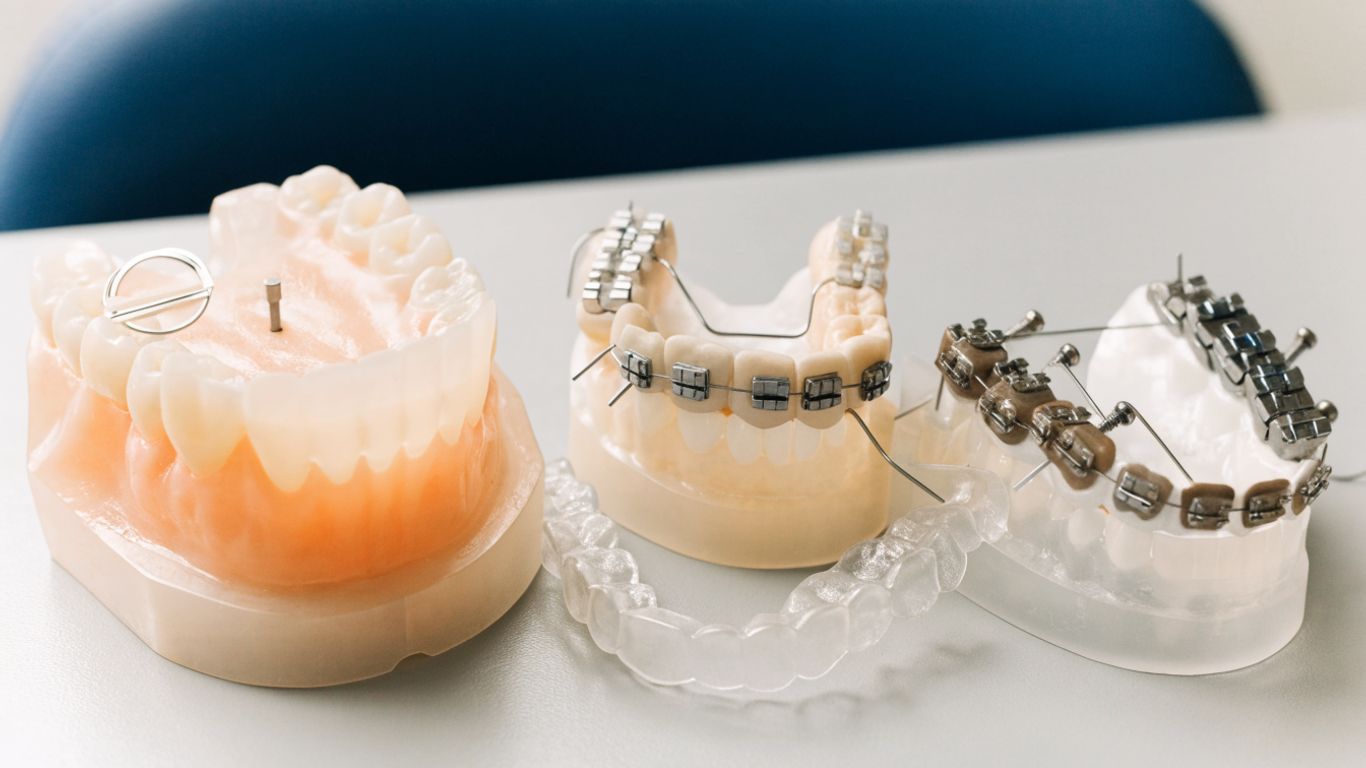
The appliance you choose can affect the quoted fee, though it is only one part of the total. Some options are more visible, some are designed to be less noticeable, and some involve different placement or treatment steps. Your orthodontist can explain which types are suitable for your case before you weigh their relative costs.
Traditional metal braces
Traditional metal braces use brackets attached to the teeth and a wire that guides movement over time. They are a familiar fixed option and are often among the less expensive choices in broad price comparisons. The fee still depends on your treatment plan, how long you need care, and what the office includes.
Ask whether the estimate covers regular adjustment appointments and how the clinic handles visits that fall outside the expected schedule. A lower initial figure may not reflect the full cost if certain services are billed separately.
Ceramic braces and other tooth-coloured options
Ceramic braces use tooth-coloured components, which can make them less conspicuous than metal braces. They may cost more than traditional metal braces, but prices vary by clinic and by the details of the treatment. Your orthodontist can explain the material options available and whether they are appropriate for your needs.
When comparing a ceramic quote with a metal-braces quote, check that both include a similar level of care. The appliance price alone does not tell you what appointments, adjustments, or retainers are included.
Lingual braces placed behind the teeth
Lingual braces attach to the back surfaces of the teeth, so they are less visible from the front. Their placement and treatment approach can make them a higher-cost option than conventional braces. Whether they are suitable depends on your teeth and the movement your orthodontist expects to achieve.
Ask for a written estimate that spells out the proposed treatment and any services charged separately. The higher price range is not, by itself, a measure of whether this option is right for you.
Clear aligners and how their pricing compares
Clear aligners, such as Invisalign, use a series of removable trays, and their total price depends on the treatment plan and the amount of correction needed. Published estimates overlap with some braces ranges, so it is not safe to assume that aligners will always cost more or less. Your quote should clarify what is included in the planned series and how progress will be monitored.
Ask how the clinic handles replacement trays or additional treatment steps if the original plan needs adjustment. These details can help you compare aligners with fixed braces on a like-for-like basis.
Factors that can change your total treatment cost
Two people can choose the same type of braces and receive different quotes. Orthodontic fees reflect the work involved, the expected length of care, and which related services are included. A careful estimate should connect the cost to your treatment needs rather than rely on a generic advertised figure.
Case complexity and the movement your teeth need
The amount and type of tooth movement needed can affect the complexity of treatment. A straightforward alignment plan may require fewer steps than a case involving more substantial correction, and that difference can influence the expected time and fee. Your orthodontist can explain the specific goals of your plan and how they contribute to the estimate. Learn about common orthodontic problems that can affect how much movement is needed
Ask what the proposed treatment is intended to address and whether the quote assumes any particular outcome or duration. That context helps you understand the estimate without treating a broad national range as a prediction of your personal cost.
Treatment length, adjustments, and additional appointments
Treatment may last several months or extend beyond two years, depending on the case and how it progresses. A longer plan can mean more scheduled visits, while unexpected appointments may add costs if they are not covered by the original fee. The written estimate should describe the expected schedule and how the clinic handles additional visits.
Before you commit, clarify whether routine adjustments and progress checks are included for the expected treatment period. If your timeline changes, ask how that affects the fee and whether any limits apply.
Extractions, appliances, or other services outside the quoted fee
Some treatment plans may involve services beyond the braces themselves. Extractions, additional appliances, or other dental care might be recommended separately, depending on your circumstances. These services are not automatically part of every orthodontic quote, so ask the clinic to identify possible additional charges.
You can also ask which parts of the plan are definite and which are only possible if your treatment needs change. That distinction makes it easier to budget for the likely total instead of focusing only on the base fee.
Retainers and follow-up care after active treatment
Retainers help maintain the result after active orthodontic treatment, but the price and follow-up arrangements vary. Some clinics include retainers in the original fee; others charge separately or specify a particular number of retainers or visits. Check this before treatment starts, because the cost of finishing care matters too.
Ask what happens if a retainer is lost or needs replacement and whether follow-up appointments are included. Knowing these terms gives you a clearer view of expenses after braces or aligners come off.
What insurance and public coverage may pay for
Insurance can reduce what you pay, but orthodontic benefits are shaped by the details of your plan. Some plans have a lifetime maximum, a percentage reimbursement, or restrictions based on age and eligibility. Public programs also vary, so confirm the rules that apply to your location and circumstances before counting on assistance.

How orthodontic benefits and annual limits work
Orthodontic coverage may be capped at a set amount over a lifetime rather than renewed each year. A plan may reimburse only a portion of eligible costs, and its payment schedule can differ from your clinic’s billing schedule. Ask your insurer how the benefit is calculated and whether it applies to the treatment you are considering.
Monthly payment plans through an orthodontist
Some orthodontic offices let you spread fees across monthly payments. The terms may depend on the amount due at the start, the length of the payment schedule, and whether the clinic charges interest or administrative fees. Ask for the plan in writing so you can see the total you will pay and the dates payments are due.
Confirm whether the monthly amount changes if treatment takes longer than expected. It is also worth asking how payments work if you transfer care or stop treatment before the plan is complete. Book a consultation to get a written estimate for your treatment.
Conclusion
Braces pricing in Canada depends on the treatment, your orthodontic needs, and what the quoted fee includes. Use broad price ranges to begin planning, then compare written estimates, check insurance and public-program rules, and review payment terms before committing. A clear breakdown makes it easier to understand both the expected total and the costs that may arise along the way.
Frequently Asked Questions
How much do braces usually cost in Canada?
Broad estimates often range from about $3,000 to $7,000 CAD for metal braces, with some other options costing more. Your individual quote depends on the treatment plan, clinic, and included services.
Which type of braces is usually the least expensive?
Traditional metal braces are often among the lower-cost options in general price comparisons. However, the full fee depends on your needs and the services included, so compare written estimates rather than appliance prices alone.
Are clear aligners more expensive than braces?
Not always. Clear aligner estimates can overlap with some braces price ranges, and the total depends on the treatment plan, its complexity, and what the fee covers.
Does dental insurance cover braces in Canada?
Some plans provide orthodontic benefits, but coverage may be limited by age, waiting periods, reimbursement rules, or a lifetime maximum. Check your policy or contact your insurer to confirm your eligibility and available benefit.
Can public coverage pay for orthodontic treatment?
Public programs differ by province and territory, and eligibility may be limited to specific circumstances. Contact the relevant program administrator to find out whether your situation qualifies.
What should a braces quote include?
Ask for the total expected fee and a written list of what it covers, such as diagnostic records, appliances, routine visits, retainers, and follow-up care. The clinic should also identify services that may be billed separately.
Can you pay for braces monthly?
Some orthodontic offices offer monthly payment arrangements, but terms vary. Ask about interest, fees, payment dates, and what happens if you miss a payment or treatment lasts longer than expected.