

Reviewed by Dr. Brent Côté, Orthodontist | Updated September 2026
Key Takeaways
Mouth breathing can affect more than your child’s overnight comfort. Over time, it may influence the way the teeth meet, the shape of the dental arches, and the pattern of facial growth.
• Persistent mouth breathing can contribute to dry mouth, cavities, gum irritation, and bad breath.
• Nasal blockage, allergies, and enlarged tonsils or adenoids are common reasons children breathe through the mouth.
• Changes in tongue position and facial posture may affect jaw development and tooth alignment.
• An orthodontic assessment can identify bite and growth concerns, but airway symptoms may require medical evaluation too.
• Early attention gives you a clearer picture of what is happening and which professionals should be involved.
Understanding the Effects of Mouth Breathing on Teeth
Mouth breathing means that your child regularly draws air through the mouth rather than the nose. It can happen during sleep, during the day, or both. Occasional mouth breathing is not usually a concern, but a persistent pattern may change the environment around the teeth and gums.
When air constantly passes over the mouth, saliva can evaporate more quickly. That dryness may allow plaque and bacteria to build up more easily, increasing the risk of bad breath, tooth decay, and irritated gums. These are among the most direct effects of mouth breathing on teeth, and they can appear before any visible change in the bite.
The longer-term concern is development. A child who keeps the lips apart, lowers the tongue, and tilts the head to breathe comfortably may develop a different balance of pressure around the teeth and jaws. This does not mean mouth breathing automatically causes a particular facial shape or orthodontic problem. It does mean that persistent breathing patterns deserve attention, especially when they occur alongside snoring, restless sleep, or difficulty keeping the lips closed.
Why Children Breathe Through Their Mouth Instead of Their Nose
Children rarely choose mouth breathing as a simple habit without a reason. Often, the nose does not feel clear enough for comfortable breathing, particularly at night. You may notice an open-mouth posture after a cold, during allergy season, or whenever your child is sleeping deeply.
The cause can be temporary, such as congestion, or ongoing, such as enlarged tonsils or adenoids. A child may also continue the pattern after the original obstruction improves because mouth breathing has become familiar. For background on the broader causes and symptoms of mouth breathing, resources from the American Academy of Pediatrics can help you compare what you are seeing with common clinical signs.
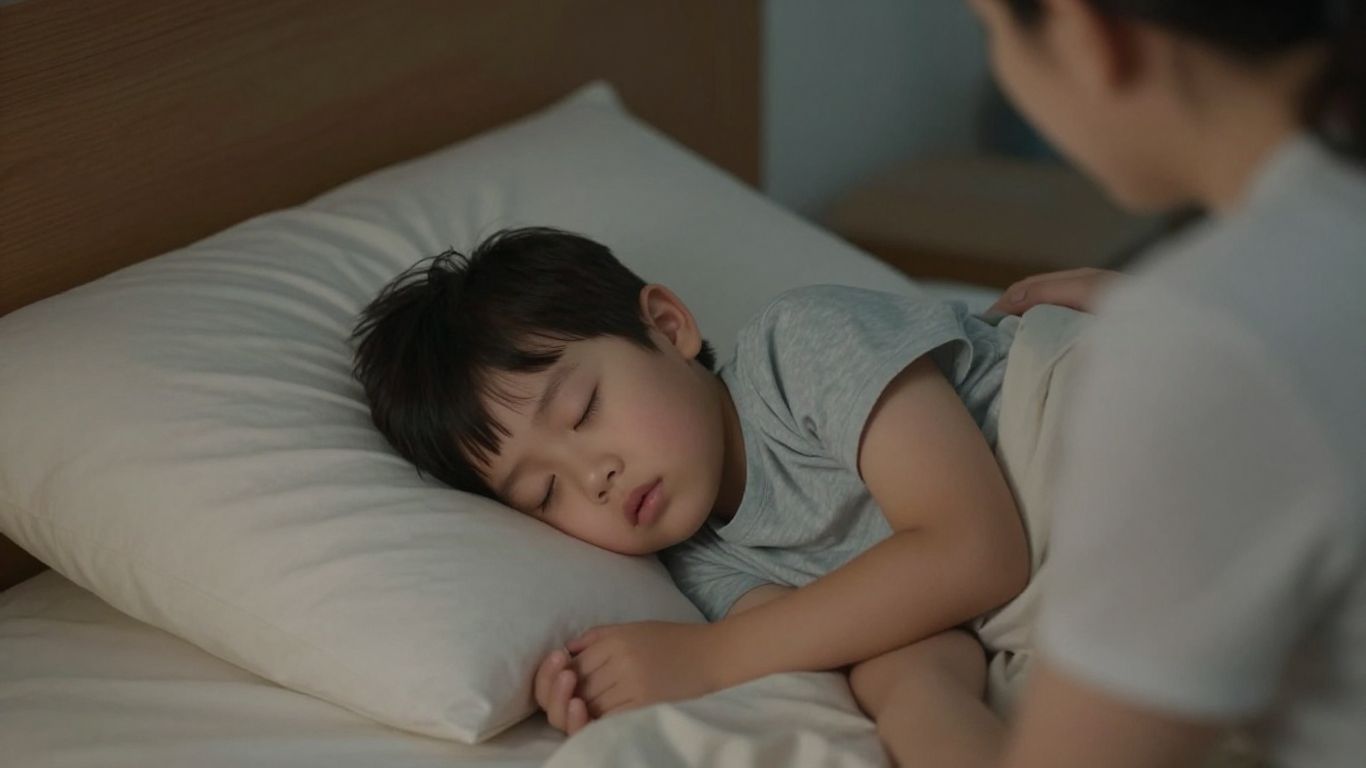
Common Causes: Allergies, Enlarged Tonsils, and Nasal Blockages
Allergies can swell the tissues inside the nose and make nasal breathing uncomfortable. Enlarged tonsils or adenoids may narrow the passage behind the nose and throat, while congestion from infections can temporarily produce the same effect. A deviated nasal structure and other forms of blockage may also contribute, although only a healthcare professional can determine the underlying cause.
Pay attention to patterns rather than one isolated night. Snoring, noisy breathing, drooling on the pillow, a dry mouth in the morning, nasal speech, and frequent restless sleep can all be useful details to share with your family doctor or dentist. These observations do not diagnose an airway problem, but they help your care team decide what should be assessed next.
If your child seems to struggle for air, pauses during sleep, wakes frequently, or is unusually tired during the day, arrange a medical assessment. Dental changes can be part of the picture, but they should not distract from the question of whether your child is breathing comfortably and sleeping well.
How Mouth Breathing Affects Teeth Develops Over Time
The mouth breathing effect on teeth usually develops gradually rather than overnight. At first, you may notice dryness or a slightly open-mouth posture. Later, changes in the way the lips, cheeks, tongue, and jaw rest may influence how the teeth erupt and meet.
Growth is dynamic, so the same habit may look different at different ages. A younger child may show a developing bite concern, while an older child may show crowding, a high narrow palate, or an open bite. Genetics, dental habits, nasal health, and the child’s general growth pattern all matter as well.
A careful assessment separates correlation from cause. It is rarely helpful to assume that every crooked tooth comes from mouth breathing alone. Instead, you want to understand how breathing, posture, jaw growth, tooth eruption, and oral hygiene may be interacting.
Long Face Syndrome and Changes in Facial Growth
“Long face syndrome” is a term sometimes used to describe a pattern of increased lower facial height, an open-mouth posture, and particular jaw and bite relationships. It is not a diagnosis you can make from a photograph, and mouth breathing is not the only possible influence. A child’s inherited facial pattern and overall growth direction also play a role.
When the lips remain apart and the lower jaw rotates downward and backward, the front teeth may not meet normally. The upper dental arch may become narrower, and the face may appear more vertically proportioned. These are tendencies, not guaranteed outcomes, so an in-person evaluation is needed before concluding.
The useful question is not whether your child fits a label. It is whether breathing, sleep, facial growth, and bite are developing comfortably together. An orthodontist can assess the dental and skeletal relationships, while a physician or other qualified professional can investigate nasal and airway concerns.
The Link Between Mouth Breathing and Narrow Jaws
A child who breathes through the nose generally rests the tongue against the palate more often than a child who must keep the mouth open. When the mouth is open, the tongue may sit lower, while the cheeks exert pressure from the sides. Over many months or years, that altered resting balance may be associated with a narrower upper dental arch.
A narrow upper jaw can affect the way the upper and lower teeth fit together. You might see a crossbite, crowding, or a high palate, although these concerns also have genetic and developmental causes. The connection is therefore best understood as one part of a larger growth pattern rather than a single mechanical explanation.
If you are concerned about jaw width, an orthodontic assessment can examine the bite, arch form, tooth eruption, and facial proportions. Bite relationships seen in growing children include several patterns that may overlap with the signs parents notice when breathing changes. That information can help you ask more focused questions without trying to diagnose the problem at home.
Mouth Breathing Effects on Teeth: What Parents Notice First
The earliest clues are often ordinary-looking changes. Your child may wake with a dry mouth, have persistent bad breath, drink water frequently, or show more plaque around the gumline. You may also notice that the lips remain parted when your child is relaxed or watching television.
Sleep provides another set of clues. Snoring, noisy breathing, restless movement, drooling, and sleeping with the neck extended can suggest that your child is trying to maintain an easier airway position. None of these signs should be interpreted in isolation, but together they are worth discussing with a healthcare professional.
Dental changes can be subtle at first. A front tooth may begin to tilt, the upper arch may look narrower, or the teeth may not meet evenly when your child bites. Taking occasional, ordinary photographs and bringing them to appointments can help you describe when you first noticed a change.
Open Bite, Crowding, and Other Visible Signs
An open bite occurs when some upper and lower teeth do not touch when the child closes the mouth. In a child who mouth breathes, the open-mouth posture and low tongue position may be part of the overall pattern. Thumb sucking, tongue thrusting, skeletal growth, and other factors can produce a similar bite, so the appearance alone does not identify the cause.
Crowding may become visible as permanent teeth erupt into limited space. A crossbite can make the upper teeth sit inside the lower teeth in one area, while a deep bite covers too much of the lower front teeth. These are examples of malocclusion, the general term for an uneven relationship between the teeth or jaws.
The table below can help you organize observations before a visit. It is a guide for conversation, not a way to confirm a diagnosis.
| What you notice | What it may relate to | What to record |
|---|---|---|
| Open-mouth posture | Nasal difficulty or altered resting position | When it appears and how often |
| Snoring or restless sleep | Possible sleep or airway concern | Whether it occurs every night |
| Dry mouth or bad breath | Reduced moisture around the teeth | Morning symptoms and brushing habits |
| Crowding or crossbite | Tooth eruption or jaw-width relationship | Which teeth appear affected |
After you record these details, share them with your dentist, physician, or orthodontist. The combination of symptoms and examination findings is much more useful than any single visible sign.
Mouth Breathing vs. Thumb Sucking: Different Habits, Similar Risks
Mouth breathing and the effects of thumb sucking on teeth are not the same habit. Mouth breathing is usually linked to the way a child is getting air, while thumb sucking places a repeated physical force against the teeth and palate. Still, both can influence the resting position of the lips, tongue, cheeks, and jaw.
Persistent thumb sucking may push the front teeth outward or contribute to an open bite, particularly when the habit continues as the permanent teeth begin to emerge. Mouth breathing may create a similar-looking bite through a different pathway. This is why you should avoid assuming that the most visible habit is the only factor involved.
You may find it helpful to note the following before your child’s appointment:
• Whether the mouth is open during quiet daytime activities.
• Whether thumb or finger sucking happens during sleep, stress, or boredom.
• Whether snoring, congestion, or restless sleep occurs at the same time.
• Whether the child can comfortably keep the lips together while breathing through the nose.
These observations give the clinician a clearer starting point. They can also prevent the conversation from becoming focused only on stopping a habit when an underlying nasal or sleep concern needs attention.
How Posture and Tongue Position Play a Role
Breathing, posture, and tongue position are closely connected. A child who struggles to breathe through the nose may extend the neck, lower the jaw, and keep the lips apart to create more room for airflow. Over time, that position can become the child’s usual resting posture.
The tongue normally helps shape the upper dental arch by resting against the palate. With an open mouth, it may sit lower or move forward during swallowing. The cheeks and lips then provide a different pattern of pressure around the teeth, which may influence how the arches develop in a growing child.
This is not a reason to coach your child into a forced posture. It is better to identify why the posture is occurring and whether nasal breathing is comfortable. An orthodontist’s role in assessing children covers tooth and jaw relationships, while medical or dental professionals help investigate breathing, swallowing, and sleep symptoms.
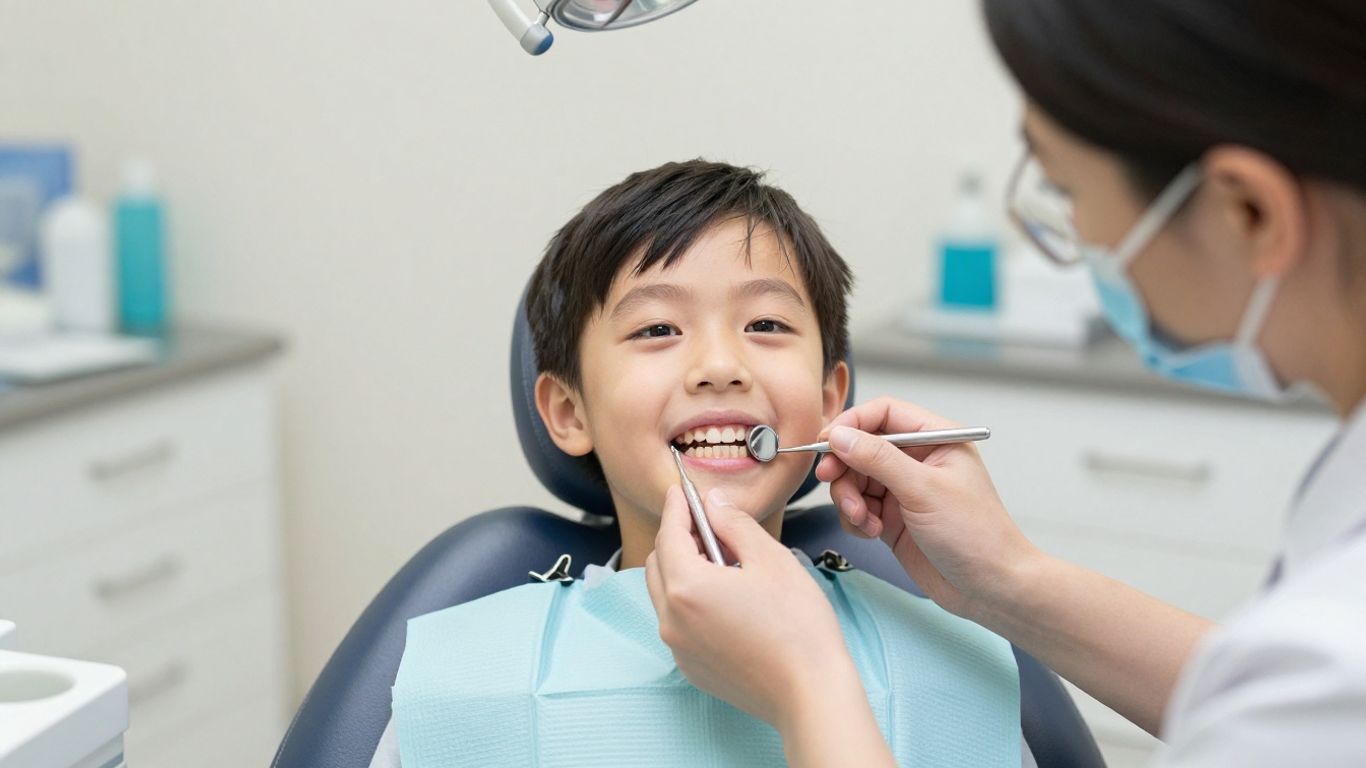
A Real Case From Our Practice: When a Bite Change Led to a Bigger Diagnosis
A bite change can sometimes be the detail that brings a broader concern to light. For example, a parent may schedule an appointment after noticing that the front teeth no longer meet, only to mention during the history that the child snores and wakes with a dry mouth. The orthodontic finding does not prove the cause, but it can prompt better questions.
At Outaouais Orthodontics’ Gatineau practice, an evaluation can focus on the relationship between the teeth, jaws, and facial growth rather than looking at one tooth in isolation. The practice’s educational material describes common concerns such as open bites, crossbites, jaw discrepancies, and impacted teeth. That broader view matters when a change in the bite appears alongside a change in breathing or sleep.
A responsible case discussion also recognizes uncertainty. The next step may involve monitoring growth, improving oral hygiene, discussing nasal symptoms with a physician, or coordinating care between professionals. The goal is not to attach a dramatic label to a child, but to understand the pattern early enough to respond thoughtfully.
Signs It’s Time to See a Doctor, Not Just an Orthodontist
An orthodontist can identify dental and jaw relationships, but an orthodontic visit is not a substitute for medical assessment of persistent breathing difficulty. If your child regularly struggles to breathe through the nose, snores loudly, or pauses during sleep, speak with a doctor. The same applies if your child has chronic congestion, recurrent throat concerns, or unusual daytime tiredness.
Seek prompt medical advice if breathing appears laboured, your child wakes gasping, or you notice bluish lips or severe daytime sleepiness. Those symptoms should not wait for a routine dental appointment. If you are unsure how serious a symptom is, describe it to a healthcare professional rather than relying on an online checklist.
You can still arrange an orthodontic evaluation when bite or growth concerns are present. The two assessments answer different questions, and they may complement one another. Research from the Canadian Association of Orthodontists also discusses the value of dentists working with other healthcare professionals when airway concerns affect oral development.
How an Orthodontic Evaluation Assesses Mouth Breathing’s Impact
During an orthodontic evaluation, the clinician looks at how the teeth come together, how the jaws relate to each other, and how the face is developing. They may ask about snoring, sleep, nasal breathing, oral habits, and family concerns. These questions help place the bite findings in their day-to-day context.
The examination may include photographs, dental records, growth observations, and an assessment of the dental arches. Depending on the child’s situation, the orthodontist may recommend further records or communication with another healthcare professional. The purpose is to understand the pattern, not to blame your child for breathing through the mouth.
You can prepare by bringing a short symptom history. Mention when mouth breathing began, whether it is worse during sleep or allergy season, and whether you have noticed changes in snoring, energy, chewing, speech, or tooth position. Clear details make the appointment more useful for everyone.
Can Fixing the Airway Reverse the Dental Effects?
Improving nasal airflow may make it easier for a child to keep the lips together and rest the tongue more naturally. It may also improve comfort during sleep when the underlying problem is appropriately treated. However, correcting an airway issue does not automatically straighten teeth or widen a jaw that has already developed in a particular way.
Some early dental and functional changes may improve as the child grows and breathes more comfortably. Other changes may remain and require orthodontic guidance. The outcome depends on age, growth, the cause of the mouth breathing, the severity of the bite concern, and several individual factors.
Think of airway care and orthodontic care as related but distinct. A medical professional addresses the breathing problem, while an orthodontist assesses tooth and jaw development. Together, those perspectives can support a more complete plan without promising that one intervention will reverse every dental effect.
When to Bring This Up at Your Child’s Next Visit
Bring up mouth breathing at the next dental or orthodontic visit if you see it repeatedly, especially during sleep. You do not need to wait until the teeth look crowded or the bite becomes obviously uneven. A brief conversation can help determine whether observation, a dental assessment, or medical follow-up makes sense.
It is particularly useful to mention snoring, chronic congestion, morning dryness, restless sleep, daytime fatigue, and a mouth that stays open at rest. Also report thumb sucking, tongue thrusting, or a recent change in the way the teeth meet. The more specific your observations are, the easier it is to identify patterns.
An early orthodontic consultation can be useful even when treatment is not immediately needed. When to schedule a first orthodontic visit explains why growth and eruption are considered when deciding on timing. A visit does not commit your child to braces; it gives you information about development and possible next steps.
Book an Evaluation With Outaouais Orthodontics
If you are noticing mouth breathing alongside an open bite, crowding, a crossbite, or a change in facial growth, consider arranging an evaluation with Outaouais Orthodontics. The practice provides information about orthodontic problems involving the teeth and jaws, including concerns that may be easier to address while a child is growing. An assessment can help you understand what is present and what may simply need monitoring.
Call Dr. Brent Côté and the team at 819-685-0808, or schedule a visit online. Before the appointment, write down your child’s nighttime symptoms and bring any questions about nasal breathing, sleep, oral habits, or tooth eruption. If the breathing concern seems medical, contact your family doctor as well. You can also review how orthodontic treatment supports oral health as you consider how alignment, function, and oral health fit into your child’s longer-term care.
The focus should be a clear, coordinated understanding of your child’s development. Mouth breathing effects on teeth can be easy to overlook when the first sign is only dry lips or a slightly uneven bite. Raising the concern early gives you a practical opportunity to involve the right professionals and support healthy growth.
Conclusion
Mouth breathing can affect the moisture of the mouth, the health of the gums, the position of the tongue, and the way teeth and jaws develop. It does not determine your child’s future on its own, but persistent symptoms deserve a thoughtful assessment. By sharing what you observe with both medical and dental professionals, you can move from guesswork to a clearer plan.
Frequently Asked Questions
Can mouth breathing cause crooked teeth?
Persistent mouth breathing may be associated with changes in tongue position, facial posture, and dental arch development, but crooked teeth also reflect genetics, eruption patterns, and other habits. An evaluation is needed to understand the factors affecting your child.
What are the most common mouth breathing effects on teeth?
Common concerns include dry mouth, bad breath, increased plaque, cavities, gum irritation, and changes in bite or tooth alignment. The effects vary from child to child and may be influenced by the reason for the mouth breathing.
Does mouth breathing always mean a child has an airway problem?
No. Children may breathe through the mouth temporarily during a cold or congestion. Frequent or persistent mouth breathing, especially with snoring or restless sleep, should be discussed with a healthcare professional.
Can mouth breathing cause an open bite?
Mouth breathing may be one factor associated with an open bite, particularly when it occurs with a low tongue position or other oral habits. Thumb sucking, tongue thrusting, jaw growth, and genetics can also contribute.
Should I see a doctor or an orthodontist first?
That depends on what you are noticing. Breathing difficulty, loud snoring, pauses during sleep, and chronic congestion call for medical attention, while visible bite or alignment concerns can be assessed by an orthodontist. In some cases, both evaluations are appropriate.
Can correcting nasal blockage straighten the teeth?
Improving nasal breathing may support a healthier resting pattern, but it does not guarantee that existing tooth or jaw changes will correct themselves. Your child may still need monitoring or orthodontic treatment depending on growth and the bite relationship.
When should a child have an orthodontic assessment?
You can ask about an orthodontic assessment when you notice a persistent open-mouth posture, a developing crossbite, crowding, uneven tooth contact, or concerns about facial growth. An evaluation can provide guidance even when immediate treatment is not necessary.