

Reviewed by Dr. Brent Côté, Orthodontist | Updated September 2026
Key Takeaways
Thumb sucking is a normal source of comfort for many babies and toddlers, but a persistent, forceful habit can influence developing teeth and jaws.
• The effect of thumbsucking on teeth depends on duration, intensity, frequency, and the child’s sucking position.
• An open bite, protruding front teeth, spacing changes, and a crossbite are possible signs of a prolonged habit.
• Many children stop naturally, and early changes may improve when the habit ends.
• Gentle encouragement usually works better than shame, pressure, or punishment.
• An orthodontic assessment can clarify whether monitoring or treatment is appropriate.
Understanding the Effect of Thumb Sucking on Teeth
Thumb sucking places repeated pressure on the teeth, gums, palate, and nearby jaw structures. For a very young child, occasional sucking is usually part of normal soothing and development. The concern is not one isolated episode, but a habit that continues frequently as the mouth grows and the front teeth begin to settle into position.
The effect of thumbsucking on teeth can look different from one child to another. Some children develop a noticeable gap between the upper and lower front teeth, while others show changes in tooth position, palate shape, or the way the back teeth meet. The same habit may have little lasting effect in one child and a more visible effect in another.
That uncertainty can make parents feel they have to choose between ignoring the habit and stopping it abruptly. You do not have to do either. Watching the pattern, noticing changes, and discussing concerns at the right time gives you a calmer way to protect developing oral function.
Why Thumb Sucking Is Normal in Infants and Toddlers
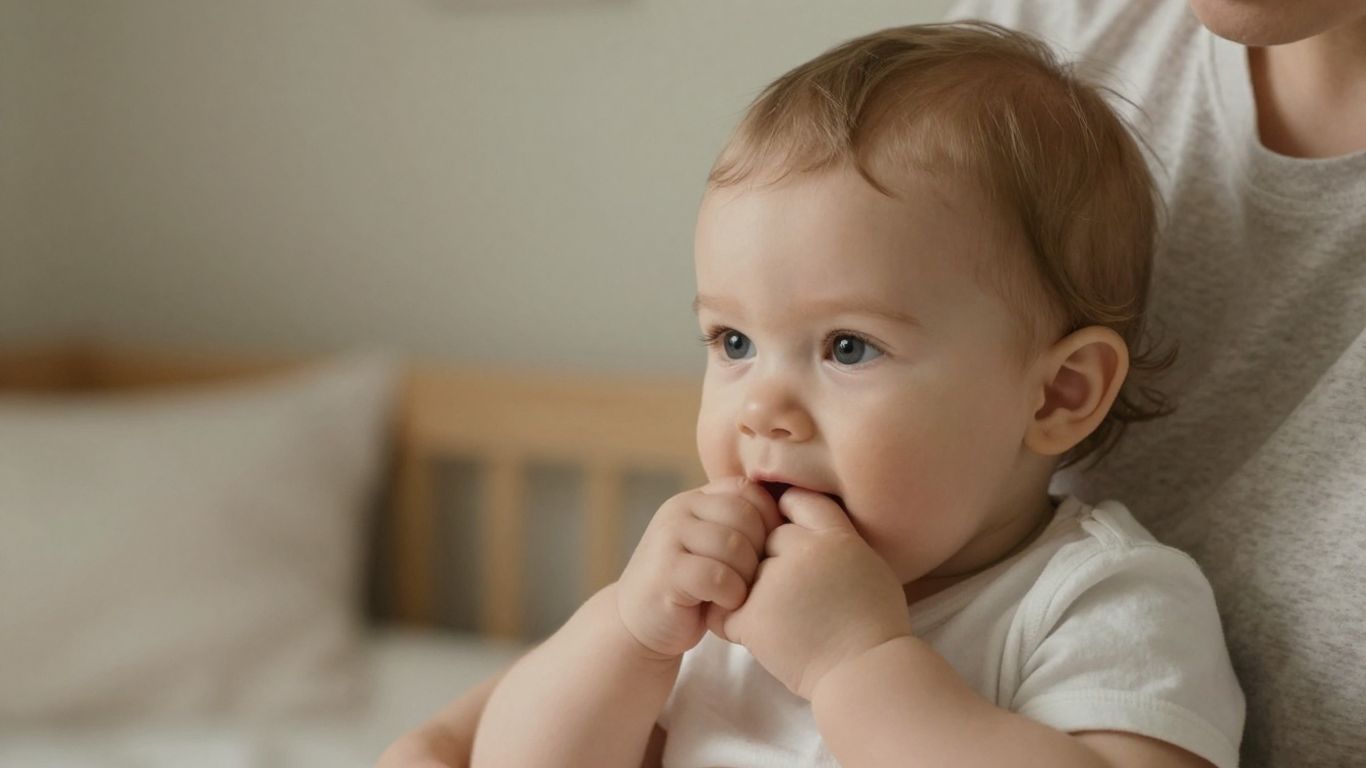
Sucking begins as a natural reflex and helps infants feed, settle, and regulate themselves. A thumb can also become a familiar comfort during tiredness, transitions, illness, or separation. In the early years, occasional thumb sucking is not automatically a sign that something is wrong.
Many children gradually reduce the habit as they develop other ways to self-soothe. The timing is different for every child, so a single age should not be treated as a strict deadline. What matters is whether the habit remains frequent and active as the primary teeth and jaws continue to develop.
When the Habit Starts Becoming a Concern
The habit deserves closer attention when your child sucks during much of the day, needs the thumb to fall asleep every night, or continues with strong pressure after the front teeth have erupted. You may also notice that the thumb stays wedged in a consistent position, pushing against the upper front teeth or the roof of the mouth. Persistent pressure during growth is the feature that makes professional observation worthwhile.
Rather than focusing only on age, consider the pattern over several weeks. If the habit is becoming less frequent, the mouth may have time to adapt. If it is increasing, interfering with sleep or speech, or accompanied by visible bite changes, a dental or orthodontic conversation can provide useful reassurance and direction.
How Thumb Sucking Changes Bite and Jaw Development
Your child’s teeth respond to repeated forces while they are erupting and while the surrounding bone is developing. A thumb can hold the front teeth apart, encourage some teeth forward, and affect how the tongue and lips rest. The jaw is not being reshaped by a single movement; rather, growth is occurring around a repeated daily position.
These changes can influence both the appearance of the smile and its function. Your child may have difficulty bringing the front teeth together, or the upper and lower back teeth may meet unevenly. The teeth misalignment guide explains how childhood habits can be one factor among several in developing malocclusion.
Open Bite: The Most Common Thumb Sucking Effect
An anterior open bite occurs when the upper and lower front teeth do not overlap when the back teeth are together. A thumb positioned between those teeth can maintain the space and may encourage the front teeth to tip outward. Depending on the child’s swallowing and speech patterns, the gap may also affect how the tongue moves.
You might notice the open space when your child bites into food or tries to say certain sounds. It is still worth having the bite examined rather than diagnosing it from a photograph, because tooth eruption and normal spacing can change the appearance from month to month.
How Palate Shape and Jaw Width Can Be Affected
A thumb held against the roof of the mouth can influence the balance between the tongue and the cheeks. Over time, this may contribute to a narrower upper dental arch or a posterior crossbite, in which the upper back teeth bite inside the lower back teeth. The jaw itself is growing under the influence of many factors, so thumb sucking is one possible contributor rather than a complete explanation.
The position of the thumb, the direction of pressure, and the child’s natural growth pattern all matter. A crossbite that makes the jaw shift to one side during closure deserves attention, since a consistent shift can affect how the bite develops.
What Do the Effects of Thumb Sucking on Teeth Look Like?
Parents often notice changes while helping with brushing, taking a front-facing photo, or watching a child bite into an apple. Some signs are obvious, while others are easier to see during a dental examination. A picture can be a helpful conversation starter, but it cannot show how the teeth meet in motion.
The effects of thumbsucking on teeth are sometimes described informally as “buck teeth,” though the visible appearance may come from several different bite patterns. Crowding, spacing, an open bite, and a crossbite can have different causes and should not be assumed to result from the habit alone.
Common Visual Signs Parents Notice at Home
Look for patterns rather than a single crooked baby tooth. A child’s primary teeth can have natural spaces, and those spaces may be useful as permanent teeth later emerge. Still, changes that persist or become more pronounced are a reasonable reason to ask for an assessment.
Common observations include:
• A gap between the upper and lower front teeth when biting down.
• Upper front teeth that appear tipped forward or more prominent.
• Back teeth that meet unevenly or appear to bite inside the opposing teeth.
• New spacing, crowding, or tooth positions that were not present before.
After you observe these signs, notice whether your child can close the lips comfortably and whether the jaw shifts when biting. Those details give a clinician more useful information than a single image labelled “effects of thumbsucking on teeth pictures.”
Factors That Determine How Much Damage Occurs
There is no universal point at which thumb sucking suddenly becomes harmful. The likely effect depends on how often the habit occurs, how strongly your child sucks, where the thumb rests, and how long the pattern continues. Genetics, facial growth, tooth eruption, and the child’s tongue and lip posture also shape the final result.
Two children of the same age may therefore have very different findings. One may suck lightly only at bedtime, while another may apply strong pressure for long periods during the day. Age offers context, but it does not tell the whole story.
Duration, Intensity, and Sucking Style Matter More Than Age Alone
When you describe the habit to a clinician, include the situations in which it happens and whether your child actively sucks or simply rests the thumb in the mouth. These distinctions help explain the forces acting on the teeth. The following guide is a useful way to organize what you see:
• Pattern: Occasional, light sucking
What it may mean: Limited repeated pressure
What to watch for: Whether the frequency is decreasing
• Pattern: Bedtime-only sucking
What it may mean: A comfort routine linked to sleep
What to watch for: Whether the thumb stays firmly positioned
• Pattern: Frequent daytime sucking
What it may mean: More hours of pressure on developing teeth
What to watch for: Changes in front tooth position or bite
• Pattern: Strong, active sucking
What it may mean: Greater force against teeth and palate
What to watch for: Open bite, protrusion, or palate changes
This table is not a diagnostic tool, but it can help you give a clearer history during an appointment. A clinician will also examine tooth eruption, the bite, jaw movement, and facial growth before recommending a next step.
Thumb Sucking vs. Pacifier Use: Is One Worse Than the Other?
Both thumb sucking and pacifier use can be normal soothing behaviours in infancy. The dental effect depends less on the label and more on how often, how forcefully, and how long the object remains in the mouth. A pacifier is removable, while a thumb is always available, which can make the habit more difficult to limit consistently.
A pacifier may be easier for you to phase out because you can control when it is offered. With a thumb, your child can return to the habit without asking. Neither option should be treated as a reason for panic, especially in a young infant, but ongoing use as the mouth develops deserves observation.
Resources from the American Association of Orthodontists discuss possible effects such as protruding front teeth, open bites, and crossbites. Use general guidance as a starting point, then consider your child’s individual bite, growth, and comfort habits rather than comparing one child with another.
A Real Case From Our Practice: Catching Changes Before They Set In
A child may arrive for an assessment because a parent notices a small gap, a front tooth that seems more prominent, or a bite that does not close evenly. At that stage, the most useful first step is often careful observation rather than immediate treatment. The clinician can record the current bite and compare it over time as the habit changes.
Early attention does not mean that every child needs braces or an appliance. It means you have a chance to understand whether the teeth are following a typical path, whether the habit is contributing to the change, and whether stopping the habit could allow improvement. That information can make the next decision less stressful.
A child’s confidence matters too. Assessments should be explained in simple language and framed as help for growing teeth, not as criticism of a comforting behaviour. When families understand what is happening, they can respond consistently without turning bedtime into a daily struggle.
How to Help a Child Stop Thumb Sucking Gently
Stopping is usually easier when your child feels supported rather than watched or shamed. Begin by identifying when the thumb is most needed: falling asleep, watching television, travelling, or handling big emotions. Then offer another source of comfort that fits that moment, such as cuddling, a story, a soft toy, or a quiet hand activity.
You can make the change gradual and specific. For example, you might agree that the thumb rests outside the mouth during a favourite daytime activity, while keeping bedtime changes for later. Praise effort and awareness, even when the habit returns.
A gentle plan may include:
• Choosing one low-stress time of day to practise keeping the thumb out.
• Using a private reminder agreed on together instead of repeated correction.
• Offering praise for small periods of success rather than demanding perfection.
• Building a calming bedtime routine that does not depend on sucking.
If your child becomes anxious, pause and adjust the plan. Persistent conflict can make the habit more appealing as a source of comfort. A dentist or orthodontist can suggest age-appropriate support if home strategies are not enough.
When the Effects May Reverse on Their Own
Some early changes improve after the sucking habit ends, particularly when the permanent teeth have not fully erupted, and the supporting structures are still developing. Teeth can naturally move as pressure is removed, and the bite may become more comfortable over time. The amount of improvement cannot be predicted from age alone.
Reversal is more likely when the habit stops before changes become established and when there are no other contributing factors. A mild front gap may narrow, for example, while a more significant crossbite or persistent jaw shift may not correct itself. Monitoring helps distinguish a temporary change from one that needs treatment.
You can support this process by attending regular dental visits and sharing any changes you notice. If the bite looks different several months after the habit stops, a children’s orthodontic evaluation can show whether the teeth are settling or whether guidance would be helpful.
When Orthodontic Treatment Becomes Necessary
Orthodontic treatment options for children may be considered when a bite problem remains after the habit ends, interferes with chewing or speech, or is linked with a developing jaw discrepancy. The timing depends on the child’s growth, the teeth involved, and how the upper and lower jaws relate to one another. Treatment is not automatically required simply because thumb sucking lasted longer than expected.
An assessment may include photographs, a bite examination, and other records when clinically appropriate. The goal is to understand the cause and severity before choosing an approach. Some children need observation, while others benefit from treatment during growth to guide developing teeth and jaws.
The right plan should be proportionate to the problem – understanding what treatment can achieve helps set realistic expectations. If you are also trying to understand crooked baby teeth, what’s normal for crooked baby teeth can help you separate normal spacing from signs that deserve professional advice.
Book an Evaluation With Outaouais Orthodontics
If you are worried about your child’s thumb-sucking habit, an evaluation can replace guesswork with a clear view of the developing bite. Bring the details you have noticed, including when the habit occurs, how often it happens, and whether the thumb is actively sucked or simply held in the mouth. Photos taken over time can also help show whether a change is progressing.
You do not need to wait for severe crowding or a dramatic open bite before asking questions. Call Dr. Brent Côté and the team at 819-685-0808, or book a consultation online – it may simply confirm that development is on track and that monitoring is appropriate. If a concern is present, learning about it early can give you more options and time to respond calmly.
To arrange an evaluation, contact the Outaouais Orthodontics team and discuss your child’s habit and bite. A thoughtful assessment can help you decide whether to continue observing, work on habit reduction, or consider orthodontic guidance.
Conclusion
Thumb sucking is a common comfort habit, not a reason for blame. By watching its frequency and intensity, responding with patience, and arranging an assessment when changes persist, you can support your child’s developing teeth and jaw with confidence.
Frequently Asked Questions
Can thumb sucking permanently change a child’s teeth?
It can contribute to lasting tooth or bite changes when it continues frequently and forcefully during dental development, but the outcome varies by child and depends on growth, tooth position, and other factors.
What is the most common bite problem caused by thumb sucking?
An anterior open bite, where the upper and lower front teeth do not overlap, is commonly associated with prolonged thumb sucking. Protruding front teeth and crossbites may also occur.
Is thumb sucking normal for babies?
Yes. Sucking is a normal reflex and can help infants feed and self-soothe. Concern generally increases when the habit remains frequent and forceful as the child grows.
When should parents start discouraging thumb sucking?
There is no single deadline for every child. You can begin gentle encouragement when the habit is frequent, continues beyond the toddler years, or coincides with visible changes in the bite.
Can an open bite close after thumb sucking stops?
Some early open bites improve after the habit ends, especially while the teeth and jaws are still developing. A persistent or pronounced gap may need monitoring or orthodontic treatment.
Is a pacifier safer than thumb sucking?
Neither is automatically harmless or harmful. A pacifier can be easier to limit because it is removable, while a thumb is always available; duration, intensity, and frequency remain important for both habits.
Does every child who sucks a thumb need braces?
No. Some children need only reassurance and monitoring, while others may require treatment if a bite problem remains, affects function, or is unlikely to improve without guidance.