
Key Takeaways
Teeth can move after braces for several reasons, and a small change does not always mean your treatment has failed. Paying attention to your retainer, oral health, and bite can help you know when to get advice.
- Retainers help hold teeth in their new positions, so follow the schedule your orthodontist gives you.
- Age, jaw changes, oral habits, and dental health can also affect alignment.
- A retainer that feels painful or no longer fits should be checked rather than forced.
- Contact your orthodontist if you notice a new gap, crowding, or change in your bite.
- The right correction depends on what caused the shift and how much movement has occurred.
Why teeth can shift after braces
If you have wondered why teeth shift after braces, the short answer is that teeth remain part of a living system, even after orthodontic treatment ends. The tissues around them respond to pressure and change over time. Retainers help maintain alignment, but they do not stop every natural change in your mouth.
How teeth-supporting tissues adjust after orthodontic treatment
Braces guide teeth through the jaw, and the surrounding bone and soft tissues adapt as the teeth move. After treatment, those tissues need time to settle around the new positions. This is one reason your orthodontist may recommend wearing a retainer consistently during the period after braces come off.
Why teeth can move even after the bone and gums stabilize
Once the initial adjustment has taken place, small forces from chewing, speaking, and the way your teeth meet can still affect their position. Retainers provide support against unwanted movement, but they do not make teeth immovable. Changes can develop gradually, so you might not notice them at first.
The difference between orthodontic relapse and natural age-related changes
A shift toward an earlier alignment may be described as orthodontic relapse. But teeth can also move as your jaw, bite, and oral tissues change with age, even when the original orthodontic correction has held up well. The two processes can overlap, so an orthodontist can help identify what may be happening.
Common causes of shifting after braces
Not every change has the same cause, and sometimes more than one factor is involved. Retainer habits are a frequent place to start, but changes in your mouth or general oral health can matter too. The details can help your orthodontist decide whether you need a retainer check, dental care, or further assessment.
Skipping, losing, or not wearing a retainer as directed
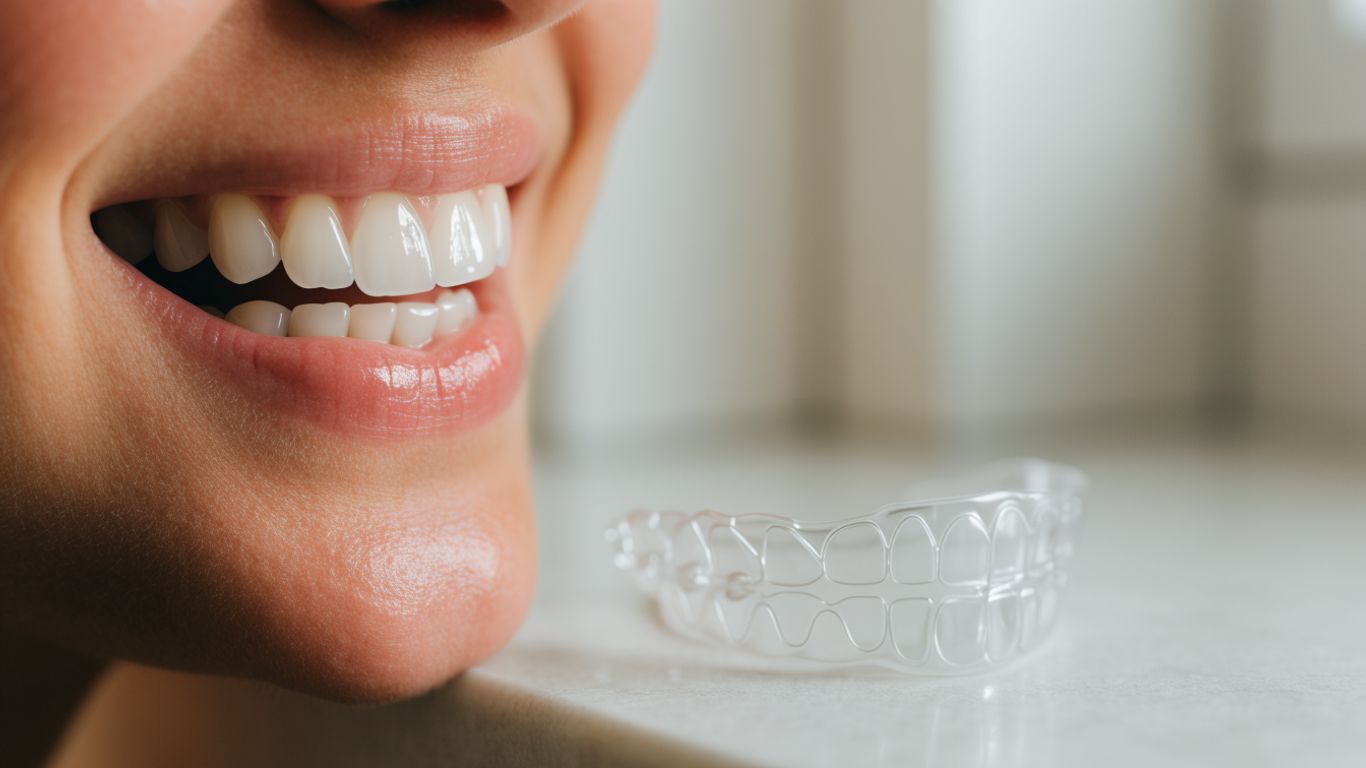
Teeth may start to move when a retainer is not worn according to your orthodontist’s instructions. A busy routine, a lost retainer, or assuming you no longer need one can interrupt that support. If you have missed wear for a while, ask your orthodontist what to do rather than guessing how to restart.
Retainers that no longer fit or have become damaged
A retainer can crack, warp, or stop fitting properly. Changes in tooth position may also make it feel different than before. If the appliance does not seat as expected, or it has a sharp edge or visible damage, get professional advice before relying on it.
Natural changes in the jaw, gums, and bite
Your jaw and bite can change over time, and daily pressure from chewing and speaking continues throughout life. Those forces may contribute to gradual movement, even if you have worn your retainer as directed. A change in how your teeth meet is worth mentioning at a dental or orthodontic appointment.
Tooth loss, gum disease, or other changes in oral health
When a tooth is lost, the nearby teeth may shift into the space, and the way your bite fits together can change. Gum disease can affect the tissues that support teeth, so any concern about gum health deserves prompt attention. These signs do not tell you the cause by themselves, but they can help guide what to discuss at a visit.
A few common clues can help you describe what you have noticed. They are not a diagnosis, but they can make the next conversation with your dental professional more focused.
| What you notice | Possible concern to discuss | A useful next step |
|---|---|---|
| Retainer feels tight or will not seat | Tooth movement or appliance change | Contact your orthodontist |
| New gap or crowding | Shifting alignment | Note when you first noticed it |
| Soreness or bleeding gums | Gum health concern | Arrange a dental evaluation |
| A different bite | Changes in tooth contact | Ask for an assessment |
The same sign can have different explanations, so avoid treating this table as a way to diagnose yourself. A professional can examine your teeth, gums, retainer, and bite together.
Factors that can increase the risk of relapse
Some circumstances make movement more likely or more noticeable, but they do not guarantee that your teeth will shift. Your original alignment and the amount of movement during treatment are part of the picture. Your orthodontist can consider those details alongside your current oral health and retainer use.
The original crowding, spacing, or bite problem
The type and degree of the alignment problem you started with may affect how your teeth behave after treatment. For example, teeth that were significantly crowded or spaced may need continued retention to help maintain their corrected positions. Your orthodontist can explain how your starting alignment informs your retainer plan.
How much the teeth moved during treatment
Teeth that underwent more substantial movement may need careful follow-up after braces. That does not mean relapse is inevitable, but it can make following your individualized retainer schedule especially important. If you are unsure how long you should wear your retainer, ask rather than relying on someone else’s routine.
Growth and age-related changes in the jaw
If treatment took place while your jaw was still growing, later development can affect the way your teeth fit together. Adults also experience changes in their teeth and supporting tissues over time. These gradual changes may happen years after orthodontic treatment, not just in the months immediately after braces are removed.
Habits and dental changes that affect tooth position
Some habits and changes in oral health can influence tooth position or the forces on your bite. The impact varies from person to person, and it may not be obvious what is contributing. Mention habits, dental work, or new symptoms when you speak with your orthodontist or dentist.
How to prevent teeth from shifting
You can’t control every change, but consistent care protects your results.
Follow your orthodontist’s retainer schedule
Schedules vary by treatment, so follow the one you were given rather than a general rule. Ask the clinic to clarify daytime vs. nighttime wear. Consistency beats trying to “make up” missed wear without guidance.
Keep your retainer clean, protected and in good condition
- Clean it according to the instructions you were given.
- Store it in its case when it’s not in your mouth.
- Keep it away from heat that can distort the material.
- Check for cracks or fit changes and report them.
Keep up with dental and orthodontic checkups
Checkups catch changes you may miss, and let your orthodontist confirm your retainer still fits. Bring the retainer along if you have concerns.
Address gum disease, tooth loss and bite changes promptly
Don’t let a small dental issue become an alignment problem. If you lose a tooth, notice gum symptoms, or feel your bite change, book an evaluation.
Options for correcting teeth that have shifted
The best response depends on the amount of movement, the cause, and the health of your teeth and gums. Sometimes the next step is simply to assess or replace an appliance; in other cases, orthodontic treatment may be considered. Your orthodontist can explain the options after examining your current alignment.
When a retainer adjustment may be enough
If the movement is limited, an orthodontist may determine that an adjustment to your retention plan or appliance is appropriate. Whether that is suitable depends on how the retainer fits and whether the teeth have moved beyond its intended role. Do not assume an old retainer can safely guide teeth back into position.
How clear aligners or braces can correct more noticeable movement
For more noticeable changes, an orthodontist may discuss further treatment with clear aligners or braces. The choice depends on the alignment concern and your clinical needs. Ask what each option is intended to correct and how you would maintain the result afterward.
Why treatment depends on the amount and cause of the shift
A small change related to an ill-fitting retainer is different from movement connected to gum disease, tooth loss, or a changing bite. The underlying cause may need attention alongside any orthodontic correction. Your orthodontist may coordinate with your dentist if your oral health is part of the concern.
How to maintain results after retreatment
If you have orthodontic retreatment, ask for clear instructions about retention before treatment ends. Keep follow-up appointments and let your orthodontist know if your retainer becomes uncomfortable, damaged, or difficult to wear. Continued care can help you respond early if your teeth begin to move again.
Conclusion
Teeth can shift after braces because the tissues around them and the rest of your mouth continue to change. Wearing your retainer as directed and keeping up with dental care can help you protect your alignment, but new movement is worth discussing with your orthodontist. A professional assessment can clarify the cause and whether any correction is needed.
Frequently Asked Questions
Is it normal for teeth to shift after braces?
Some movement can occur after braces, as teeth and oral tissues continue to respond to change. If you notice a shift, your orthodontist can assess whether it is expected or needs attention.
Can teeth shift years after braces?
Yes. Changes in the jaw, bite, oral health, and retainer use can affect alignment years after treatment. A gradual change is still worth raising at a dental or orthodontic visit.
How long should I wear a retainer after braces?
The schedule depends on your individual treatment and your orthodontist’s instructions. Ask your orthodontist if you are unsure whether your current routine should change.
Should I wear my retainer if it feels tight?
A retainer that suddenly feels tight may not fit your current tooth position. Do not force it; contact your orthodontist for advice about whether to keep wearing it.
Can a retainer move shifted teeth back?
A retainer is generally intended to hold teeth in position, not to correct every shift. An orthodontist can tell you whether your appliance is suitable or whether another approach is needed.
Can gum disease cause teeth to move?
Gum disease can affect the tissues that support your teeth, and changes in oral health may be associated with shifting. A dental professional can evaluate your gums and recommend appropriate care.
What should I do if I notice a gap returning?
Note when you first noticed the gap and whether your retainer fits as usual, then contact your orthodontist. Avoid trying to close the space yourself with an appliance that feels uncomfortable or damaged.