
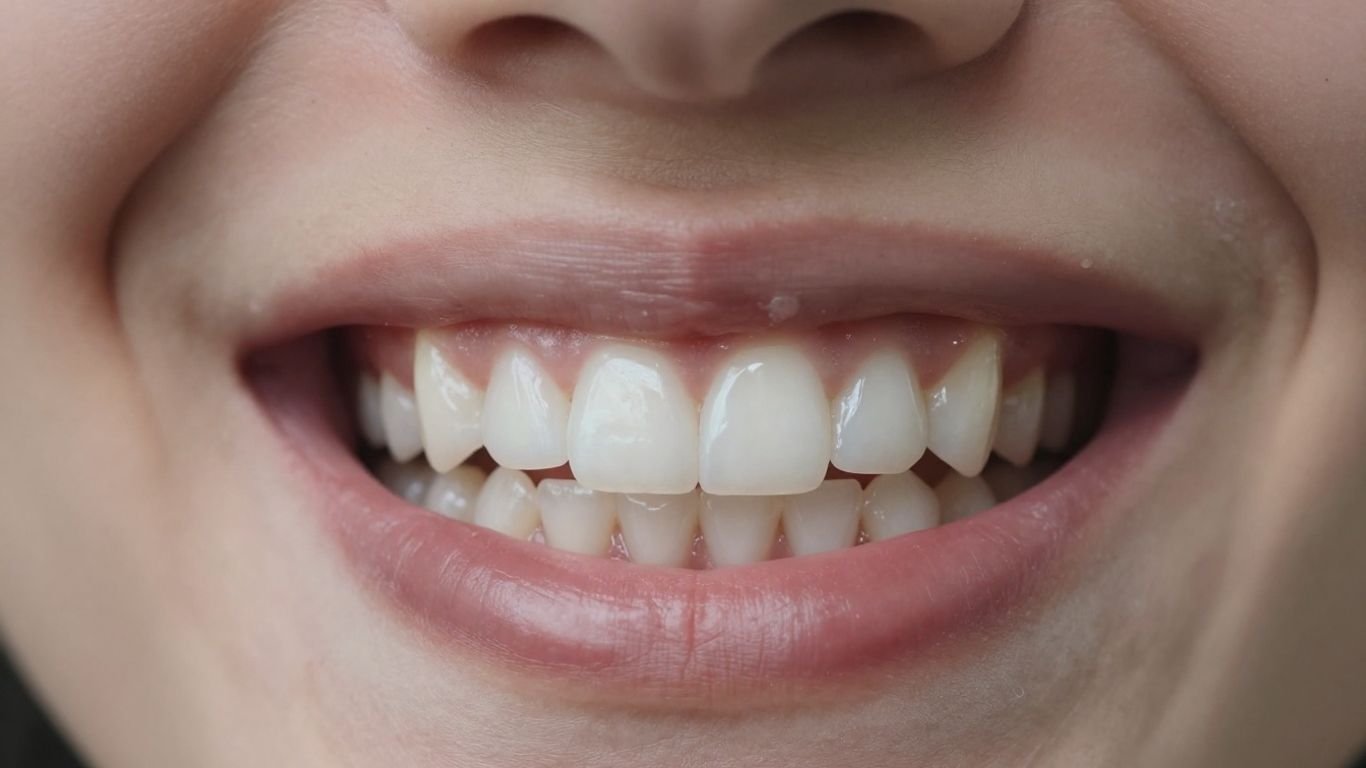
Thinking about straightening your teeth but worried your smile is too complicated for clear aligners? It’s a common concern, especially since Invisalign has come so far. What used to be just for simple fixes can now handle a lot more than people realize. We’re going to break down what Invisalign can tackle, what might need a closer look, and why the person doing your treatment makes all the difference. Let’s see if your case is really ‘too complex’ for Invisalign in Gatineau-Ottawa.
What Invisalign Actually Does (And How It’s Evolved)
From Simple Gaps to Full Smile Corrections — How the Technology Has Advanced
When Invisalign first came out, it was mostly for simpler cases, like closing small gaps or fixing minor crowding. People thought of it as a discreet alternative for straightforward issues. But wow, has it come a long way! The technology behind Invisalign has seen some pretty big leaps. We’re talking about advanced 3D imaging and computer simulations software that allows orthodontists to map out your entire treatment plan with incredible detail. It’s like having a precise roadmap for your teeth’s journey to their ideal position.
This advanced planning means that each clear aligner is custom-made to apply just the right amount of gentle pressure to specific teeth. You’ll switch out aligners every week or two, and with each new set, your teeth move a little closer to their final destination. It’s a gradual, controlled process that can address a much wider range of alignment problems than ever before.
Why Today’s Invisalign Treats Far More Cases Than Most People Think
It’s easy to think of Invisalign as just for minor tweaks, but that’s really not the case anymore. The system has become so sophisticated that it can now tackle significant crowding, spacing issues, and even certain bite problems like overbites, underbites, and crossbites. This is largely thanks to innovations like special attachments that can be bonded to the teeth, giving the aligners more grip and control over tooth movement. These tiny, tooth-coloured additions are almost unnoticeable but make a big difference in what the aligners can achieve.
Think of it this way: traditional braces have always been the go-to for really complex situations because they offer a lot of force and control. However, modern Invisalign, when used by an experienced orthodontist, can mimic a lot of that control. The ability to create highly detailed 3D treatment plans means we can predict and manage tooth movements with amazing accuracy. This allows us to treat cases that previously would have required metal braces. It’s a testament to how far clear aligner technology has come, making it a viable option for a much larger group of people looking for a straighter smile.
The key to treating more complex cases with Invisalign lies in the combination of advanced technology and the orthodontist’s skill. It’s not just about the aligners themselves, but how they are planned and managed throughout the treatment process. This careful approach ensures that teeth move effectively and safely towards their desired positions.
Cases Invisalign Handles Very Well
It might surprise you how many different kinds of smiles Invisalign can help. Gone are the days when clear aligners were only for minor tweaks. Today, this technology is pretty amazing and can sort out a lot of common issues that used to require traditional braces.
Mild to Moderate Crowding and Spacing Issues
This is probably where Invisalign shines the brightest. If your teeth are a bit too close for comfort, overlapping, or if there are noticeable gaps between them, Invisalign is often a fantastic solution. The clear aligners work by applying gentle, consistent pressure to gradually move your teeth into their ideal positions. It’s a step-by-step process, with each new set of aligners bringing you closer to that straighter smile.
● Crowding: Teeth that are packed too tightly can be gently eased apart, creating space for them to align properly. This isn’t just about looks; it makes cleaning your teeth much easier, reducing the risk of cavities and gum disease.
● Spacing: Those annoying gaps between teeth? Invisalign can systematically close them up, bringing your teeth together for a more uniform appearance.
● Rotations: Even teeth that have twisted a bit can often be straightened with the precise movements enabled by Invisalign.
Overbite, Underbite, and Crossbite — When Aligners Are Enough
Bite problems, like overbites, underbites, and crossbites, used to be a big hurdle for clear aligners. But not anymore! With modern Invisalign, many of these bite issues can be corrected effectively. An overbite is when your upper teeth overlap your lower teeth too much. An underbite is the opposite, where your lower teeth stick out past your upper ones. A crossbite happens when your upper and lower teeth don’t line up correctly when you bite down.
Invisalign for Teens and Adults: What’s Different
Honestly, the core technology for Invisalign is the same whether you’re 13 or 30. What changes is how we approach the treatment and what we’re aiming for. For adults, the focus is often on aesthetics and correcting issues that might have been bothering them for years, all while keeping the treatment as discreet as possible. The near invisibility of Invisalign technology is a massive draw for adults who don’t want to draw attention to their orthodontic work.
For teens, Invisalign offers a great alternative to traditional braces. They can still play sports without worrying about getting hit in the mouth with brackets, and they can take the aligners out to eat whatever they want – no more avoiding popcorn or sticky candy! Plus, there are special features like compliance indicators to help make sure they’re wearing their aligners enough. Whether you’re in Aylmer, Hull, or anywhere across the Outaouais, treatment can be tailored to fit your schedule.
Cases That Require a Closer Look
Severe Crowding, Skeletal Issues, and Large Bite Discrepancies
Okay, so not every smile is a walk in the park. Sometimes, teeth are really packed in there, like trying to fit way too many people into a small car. We’re talking severe crowding where teeth are overlapping significantly, or maybe there’s a big difference in how the upper and lower jaws line up. These aren’t just cosmetic concerns; they can affect how you chew, speak, and even lead to jaw pain. Think about a deep bite, where your top teeth really cover your bottom ones, or a severe underbite where the lower jaw juts out. These kinds of issues used to be a definite no-go for clear aligners, but things have changed a lot.
● Significant Overlap: When teeth are severely crowded, they can twist and push each other out of place. This makes cleaning tough and can lead to bigger dental problems down the road.
● Jaw Alignment: Issues like a pronounced underbite or overbite mean the way your upper and lower teeth meet is quite off. This can put extra stress on your jaw joints.
● Skeletal Discrepancies: Sometimes, the problem isn’t just the teeth, but the actual jaw bones themselves. This is a more complex situation that needs careful planning.
Missing Teeth, Implants, or Prior Orthodontic Work — Special Considerations
What if you’ve had teeth removed, have implants, or even had braces before? These situations definitely add a layer of complexity. For instance, if you have a gap from a missing tooth, we need to figure out how to close that space or if it’s even possible with aligners. Implants are fixed in place, so they don’t move like natural teeth, which means we have to plan around them. And if you’ve had orthodontic treatment before, we need to understand why your teeth might have shifted again and what the best approach is this time around. It’s all about looking at the whole picture.
● Implants: Since implants are essentially artificial roots, they don’t respond to the forces that move natural teeth. Treatment plans must account for their presence.
● Previous Orthodontics: If teeth have shifted after prior treatment, it’s important to understand the cause of relapse to prevent it from happening again.
● Tooth Extractions: Sometimes, teeth are removed to make space. Invisalign can be used to close these gaps, but it requires precise planning to ensure the remaining teeth move correctly.
Addressing these more intricate situations requires a really detailed look. It’s not just about straightening teeth; it’s about how everything fits together and functions. A thorough assessment is key to figuring out the best path forward, and sometimes, that path might involve more than just aligners alone.
The Truth About “Too Complex” — It Depends Who’s Treating You
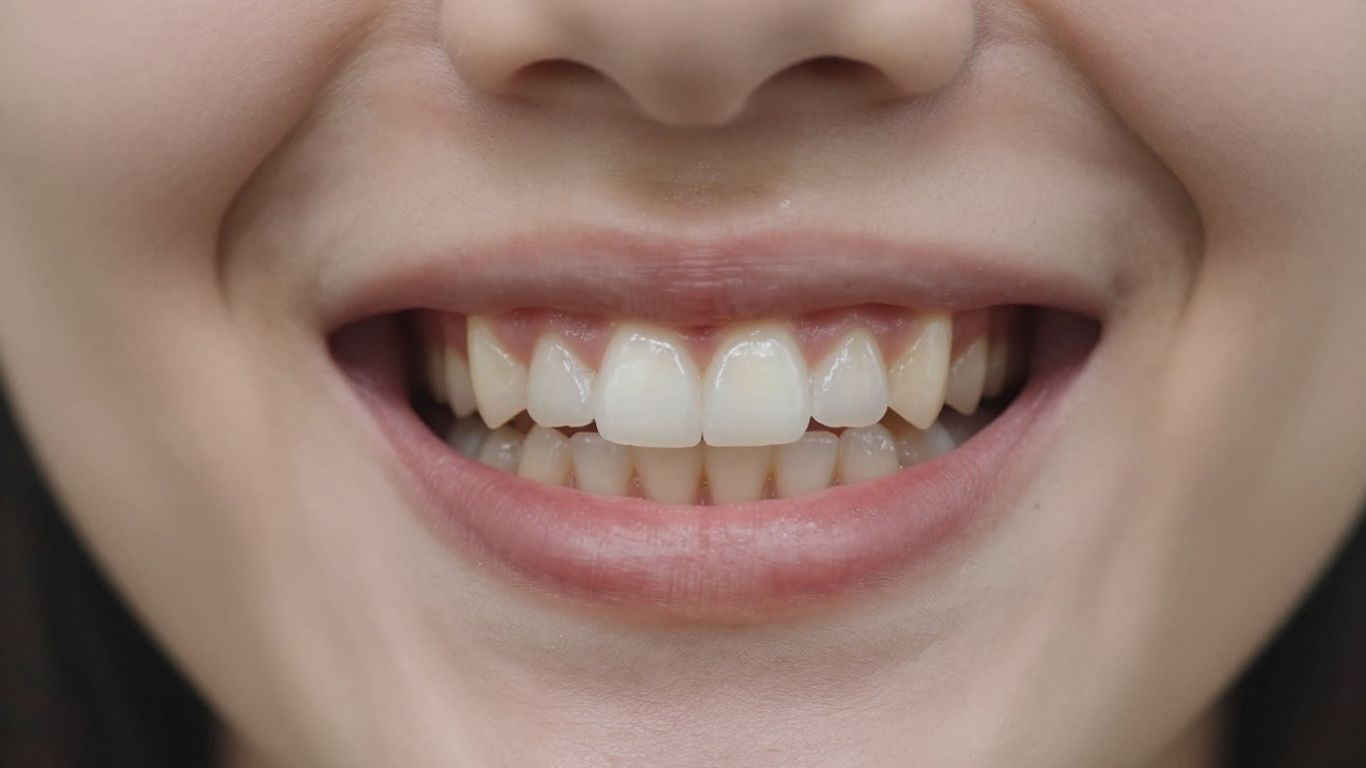
How an Orthodontist’s Training Changes What’s Possible With Invisalign
It’s easy to hear that your case might be “too complex” for Invisalign and just assume it’s true. But honestly, it often comes down to who you’re talking to. Think about it like this: you wouldn’t ask a general handyman to perform heart surgery, right? The same principle applies here. While many dentists can offer Invisalign, not all have the same level of specialized training — which is why choosing a dedicated orthodontist in Gatineau or the Outaouais region matters.
All dentists get basic training on how to use Invisalign, but that’s just the starting point. Orthodontists, on the other hand, spend years focusing specifically on how teeth move and how bites develop. This deep dive into the science of tooth movement means they can often see solutions and possibilities with Invisalign that others might miss. They understand the nuances of how different types of jaw structures and tooth alignments will respond to the aligners.
● Advanced Diagnosis: Orthodontists are trained to spot subtle issues that might not be obvious to a general practitioner.
● Predictive Planning: Their extensive knowledge helps them predict how teeth will move more accurately, even in challenging scenarios.
● Problem-Solving: When unexpected movements or issues arise, an orthodontist has the background to troubleshoot effectively.
Why Dr. Côté’s Experience Matters for Complex Invisalign Cases
Invisalign itself recognizes that some providers are simply more experienced and successful than others. That’s why they have different levels of recognition. Being a “Premier Preferred Provider” isn’t just a fancy title; it means Dr. Côté has treated a significant number of patients with Invisalign and has a proven track record of success, including with more complicated cases. This designation tells you that they’re not just dabbling in Invisalign; they’re actively using it, refining their skills, and achieving great results for a wide range of patients.
When you’re looking at a case that’s on the edge of what’s considered “simple,” having a provider with this level of experience is a big deal. They’re more likely to have the advanced techniques, understand when to use special attachments or elastics with the aligners, and know how to plan the treatment meticulously to get your teeth where they need to be. It means they’re comfortable pushing the boundaries of what Invisalign can do, safely and effectively.
Choosing a provider with a high Invisalign designation means you’re likely getting someone who has seen and treated a wider variety of orthodontic problems. They’re better equipped to handle the complexities that might make another provider say, “This is too difficult for clear aligners.”
So, if you’ve been told elsewhere that your case is too complex, don’t give up just yet. It may simply mean you need a provider with the specialized training and experience to make Invisalign work for you. It’s about finding the right fit—not just for the aligners, but for the person guiding your treatment, whether you’re coming from Hull, Aylmer, or across the Ottawa River.
What Happens at Your Invisalign Consultation in Gatineau
So, you’re curious about Invisalign and whether it’s the right move for your smile? The first step, and honestly, the most important one, is coming in for a consultation right here in Gatineau. Think of it as your personal smile assessment. We’re not just looking at your teeth; we’re getting a full picture of your oral health and what you’re hoping to achieve.
Digital Scans, 3D X-Rays, and a Custom Treatment Plan — No Guesswork
When you come in, we ditch the old-school goop-filled molds. Instead, we use some pretty neat digital technology. We’ll take detailed 3D scans of your teeth and mouth. These aren’t just fancy pictures; they create a precise digital model. We also use advanced digital X-rays to see what’s happening beneath the surface, looking at your jaw structure and tooth roots. This gives us a really clear understanding of your bite and alignment.
Based on all this information, we map out a personalized treatment plan. It’s like a roadmap for your smile journey. We can show you exactly how your teeth will move, step-by-step, and even give you an idea of what your smile will look like when we’re done. This detailed planning means there are no surprises down the line.
Here’s a general idea of what the consultation involves:
● Discussion: We’ll chat about your smile goals, any concerns you have, and what you’re looking for in treatment.
● Examination: A thorough check of your teeth, gums, and bite.
● Digital Imaging: We’ll take those 3D scans and X-rays.
● Treatment Preview: You’ll see a simulation of your potential results.
● Plan & Cost Review: We’ll go over the proposed treatment timeline, explain the costs, and discuss payment options, including how you might use HSA or FSA funds.
This initial visit is all about gathering information and making sure you feel completely informed. We want you to leave understanding your options, the process, and what to expect, without any pressure.
We’ll also talk about how often you’ll need to come in for check-ups. These appointments are usually quick, just to make sure everything is progressing as planned and to make any minor adjustments if needed. This is the standard of care we bring to every patient across the Outaouais — whether they’re exploring Invisalign, braces, or any other orthodontic option.
Ready to Find Out If Invisalign Is Right for You?
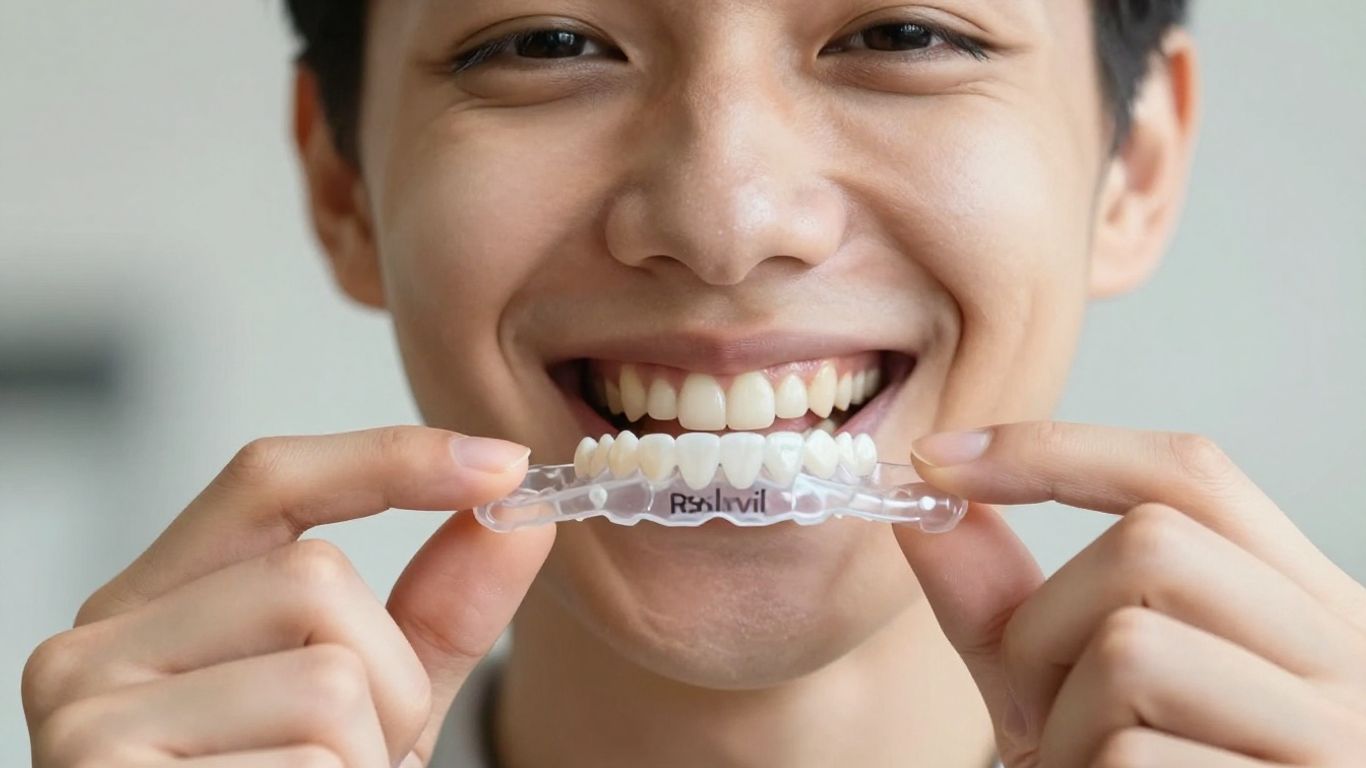
So, you’ve read through all this and you’re thinking, ‘Okay, maybe this is for me.’ That’s awesome! The next logical step is to actually see if Invisalign fits your specific smile situation. It’s not a one-size-fits-all deal, you know? What works for your friend might not be the perfect path for you, and that’s totally normal.
The best way to know for sure is a proper assessment with an orthodontist in Gatineau. You’ve already seen what that looks like at our Gatineau clinic. The only thing left is to take the first step — whether your case is straightforward or you’ve been turned away before, Dr. Côté will give you a clear, honest answer and a path forward.
You’ve already seen what goes into a consultation. The only thing left is to take the first step. Whether your case is straightforward or you’ve been turned away before, an assessment with Dr. Côté will give you a clear, honest answer — and a path forward.
This whole process is about gathering all the details so a personalized treatment plan can be made just for you. It’s not about guessing; it’s about precision.
Don’t be discouraged if you’ve heard from someone else that your case is ‘too complex’ for Invisalign. The technology and techniques have advanced so much, and an experienced provider can often achieve amazing results where others might say it’s not possible. It really comes down to the skill and knowledge of the person guiding your treatment.
Whether you’ve been told clear aligners won’t work for you, or you’re just starting to explore your options, the only way to know for sure is a proper assessment. Dr. Côté uses digital scans and 3D imaging to build a precise treatment plan in Gatineau. No referral needed. Book your free consultation.
What to Do Next
Invisalign handles far more than most people expect — and the right orthodontist makes all the difference. If you’ve been unsure, a consultation is the clearest answer you’ll get. Call us at 819-685-0808.
Frequently Asked Questions
Can Invisalign really fix really crooked teeth?
Yes, Invisalign has advanced significantly over the years. While it used to be mostly for simpler cases, it can now handle many more complex issues, like severe crowding or bite problems. It really depends on your specific situation and the orthodontist’s expertise.
Is Invisalign treatment for complex cases longer than for simple ones?
Generally, yes. More complex cases need more time to move teeth into their perfect spots. Your orthodontist will give you an estimate, but it could take longer than someone with just a few teeth to straighten.
Do I have to wear my Invisalign aligners all the time?
Pretty much! For Invisalign to work best, especially for tougher cases, you need to wear your clear aligners for about 20 to 22 hours every day. You only take them out to eat, drink anything other than water, and brush your teeth.
Will I need special attachments with Invisalign for a complex case?
Sometimes! For more challenging movements, your orthodontist might use tiny, tooth-coloured bumps called attachments. They help the aligners grip your teeth better and make specific adjustments, but they’re usually quite discreet.
What’s the difference between an Invisalign provider and a ‘Premier’ one?
Think of it like experience levels. All dentists offering Invisalign get basic training, but ‘Premier’ providers have treated a lot more patients, especially complex ones. Their extra experience often means they can handle trickier cases successfully.
Can I still eat normally with Invisalign?
The great thing about Invisalign is that you remove the aligners to eat! This means no food restrictions like with traditional braces. Just remember to clean your teeth and the aligners before putting them back in.